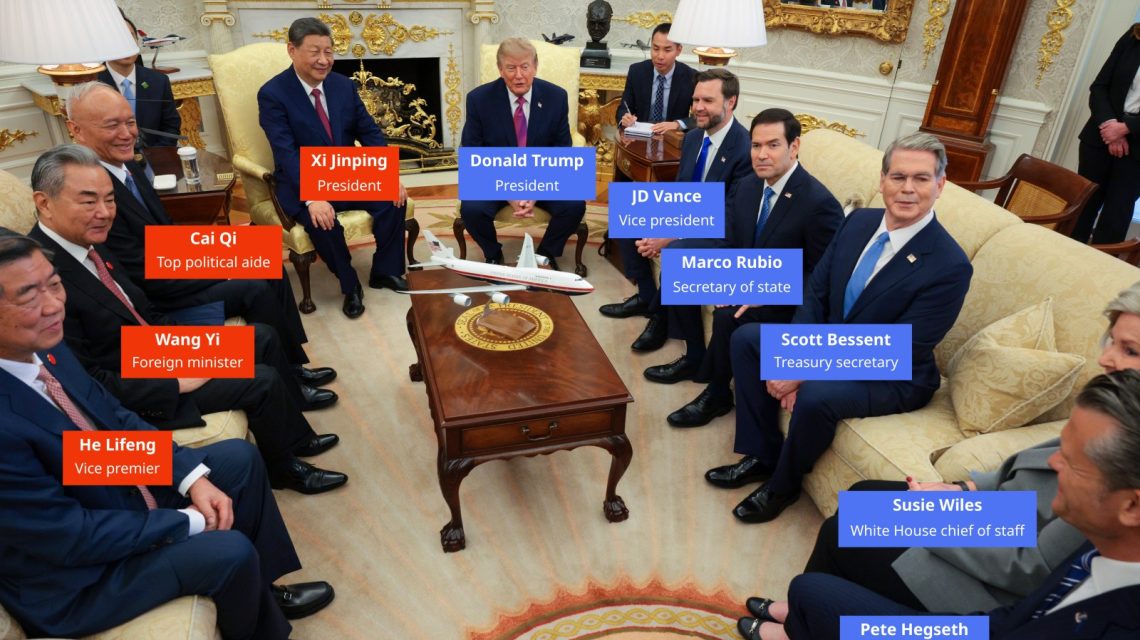
Xi Jinping has spent fourteen years trying to replace U.S. leadership globally with his Communist Party of China-driven governance model. The question of succession remains pertinent, as he might continue in power beyond next year. Xi, aged 73, is unlikely to step down as general secretary when the CCP convenes for the 21st Party Congress in Beijing, where a leader for the next five years will be appointed.
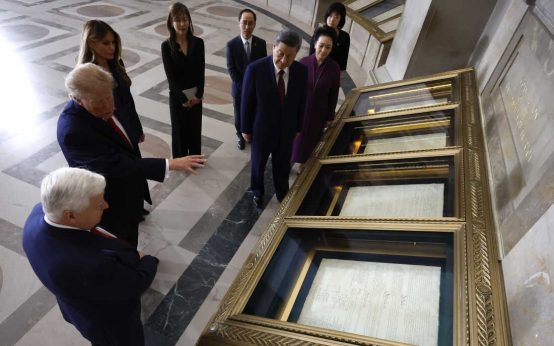
Having already secured a third term in 2022, Xi broke the mold. Nonetheless, the upcoming party congress provides an opportunity for leadership change, raising questions about who might succeed him. Observers scrutinized Xi’s interactions during his recent summit with President Donald Trump. They analyzed who accompanied him, sat near him, and whom he trusts. Power dynamics and protocol offer not identical insights.
Several potential successors are worth noting:
- Cai Qi: Chief of Staff and director of the CCP General Office, Cai holds institutional power as a member of the Politburo Standing Committee. Responsible for Xi’s security, Cai is a key figure.
- Li Qiang: Premier with an avuncular appearance, Li has longstanding ties with Xi back to Zhejiang. His political credibility comes from managing Shanghai’s COVID-19 pandemic response and his subsequent promotion to Beijing.
- Peng Liyuan: Xi’s wife, known for her former military singing career, is a shrewd political operator with his trust.
- Xi Mingze: Xi’s daughter, educated at Harvard University, maintains a low profile and shares a trusting relationship with her father.
Other candidates include Li Xi, the CCP discipline chief, and Ding Xuexiang, the first-ranked vice premier. Both are members of the Politburo Standing Committee. Zhou Hongxu, Cai’s deputy and director of the Central Guard Bureau, represents the persistent importance of security figures in Xi’s government.
This scenario involves an unpredictable element, an under-the-radar figure possibly emerging from China. Xi being celebrated by Trump in Washington bolstered his standing domestically, portraying him as able to control the world hegemon. The summit benefited Trump by reinforcing his China stance and showcasing America’s supreme position in technology and business.
Even amid these reflections, Xi continues centralizing power, revealed through the recent expulsion of top generals Zhang Youxia and Liu Zhenli. This excessive centralization prompts concerns among Chinese citizens and officials regarding potential destabilizing political rivalry once he does leave. His legacy might appear marred by economic stagnation and harsh politics. Though globally his image may have gained traction and strength.
To alleviate concerns, appointing a successor could be strategic for Xi. However, the historical caution in Chinese tradition emphasizes the risk posed by those nearest to a leader. This situation could affect Cai and Li Qiang.
Li Hengqing, an economist and member of the Congress on China’s Future, shares insights from a critical perspective outside the CCP. He notes extensive distrust within the system and political instabilities intensifying with Xi’s purging approach.
In quoting a Sung dynasty poem by Su Shi, Li casts light on the isolated nature of high leadership: “I long to ride the wind and return, Yet fear that those fine jade palaces, So high, would be too cold for me.” The poem implies that closeness to power doesn’t guarantee preservation post-Leader’s exit.
Health remains a potential catalyst for change. Despite being a smoker and alcohol consumer with past health rumors, Xi’s capability continues since 2012. Speculations persist, including rumors of stroke and back injury amid health concerns.
Strategists might plan assuming Xi’s leadership continues despite uncertainties. His longevity in position could force those determining China’s path to adapt.
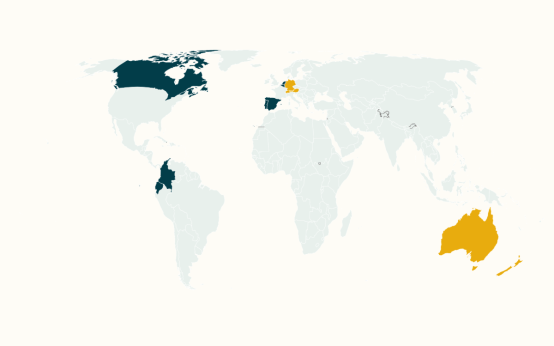 Dutch Review Board’s Euthanasia Ruling and International Debate
  Israeli PM Commends Heroic Actions in Flight Emergency
  Rabbi and Jewish Leaders Criticize Adam Brody for ‘Genocide’ Comment
  Flydubai’s Emergency Landing Highlights Cockpit Security
  Former Israeli PM Naftali Bennett Commends Passengers and Crew for In-Flight Heroism
  Diplomatic Complexities Unfold at U.S. National Archives Visit