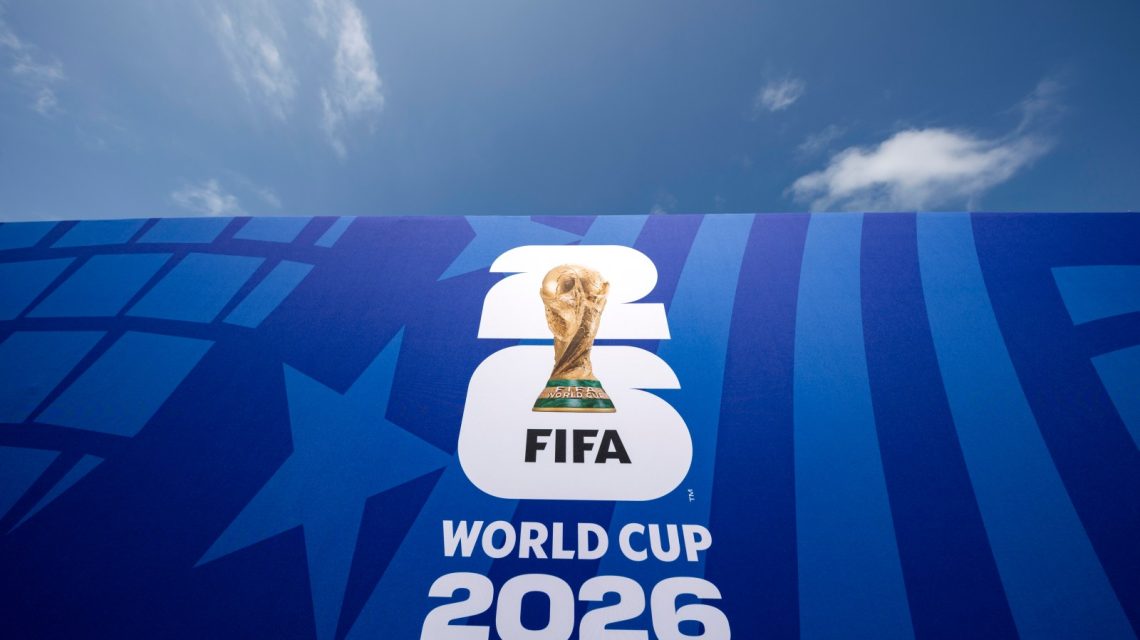
The 2026 FIFA World Cup is on the cusp of beginning, bringing exciting news for football enthusiasts in the U.S. Several states are preparing for the surge in visitors by loosening alcohol restrictions and extending bar hours.
Anticipated Changes for U.S. States
The World Cup, scheduled from June 11 to July 19, will draw millions to North America. To accommodate the influx, lawmakers have authorized temporary measures. These changes include later last calls, expanded drinking areas, and special permits for fan zones.
Historical Context
Such changes are not unprecedented. During the 2022 World Cup in Qatar, beer sales were allowed in designated fan zones, despite usual restrictions due to the country’s Muslim-majority culture.
State-Specific Adjustments
New York
Governor Kathy Hochul approved legislation allowing bars and restaurants in New York to serve alcohol until 4 a.m. throughout the tournament. This move standardizes closing times state-wide, aiming to boost tourism and related spending.
Kansas
Kansas temporarily extended alcohol service hours. Bars and restaurants can serve from 6 a.m. to 5 a.m. during the World Cup, offering some of the nation’s longest service hours.
Massachusetts
Massachusetts lawmakers approved a 3 a.m. last call extension during the World Cup. Municipalities can also create public drinking districts for World Cup celebrations and other events.
Missouri
Missouri permits alcohol service from 6 a.m. to 5 a.m., starting June 11 until July 19. The statewide exemption, enacted by Governor Mike Kehoe, is designed to support tourism and events linked to the tournament.
Pennsylvania
Philadelphia’s bars and restaurants will extend service by two hours during the World Cup and America 250 celebrations, under Governor Josh Shapiro’s legislation. Venues can apply for permits to stay open until 4 a.m.
Rhode Island
Five towns and cities in Rhode Island can extend liquor licenses from June 11 to July 3. Establishments may stay open until 4 a.m., serving alcohol until 3 a.m.
Washington
Washington offers expanded alcohol service areas via special fan-zone permits. Host cities like Seattle and others may authorize more extensive alcohol sales and consumption in designated public spaces during the event.
Georgia
Georgia has eased open-container restrictions related to World Cup festivities, facilitating easier fan events and gatherings in host communities.
New Jersey
New Jersey grants municipalities increased flexibility in extending alcohol-service hours. Local officials will decide on implementation during the World Cup.
Reasons Behind Legal Adjustments
The 2026 World Cup will be the largest, featuring 48 teams and over 100 matches in the U.S., Canada, and Mexico. Host cities and states expect extended hours and regulation relaxations to promote spending at bars, restaurants, and fan festivals. However, not all businesses might adopt these changes due to staffing, security, transportation, and local regulations.
The World Cup begins June 11 and concludes with the final on July 19.
 Cargo Plane Crash at Miami International Airport
  Nick Saban’s Comments on ESPN Spark Debate Over College Sports Regulations
  Marine Veteran Suing Oregon School District Over Curriculum Reimbursement
  Freddy’s American Adventure: From Soccer to College Football
  Tennessee Execution Halted as Issues Persist with Lethal Injection Protocol
  Brock Purdy’s Impressive Start in the 2026 NFL Season