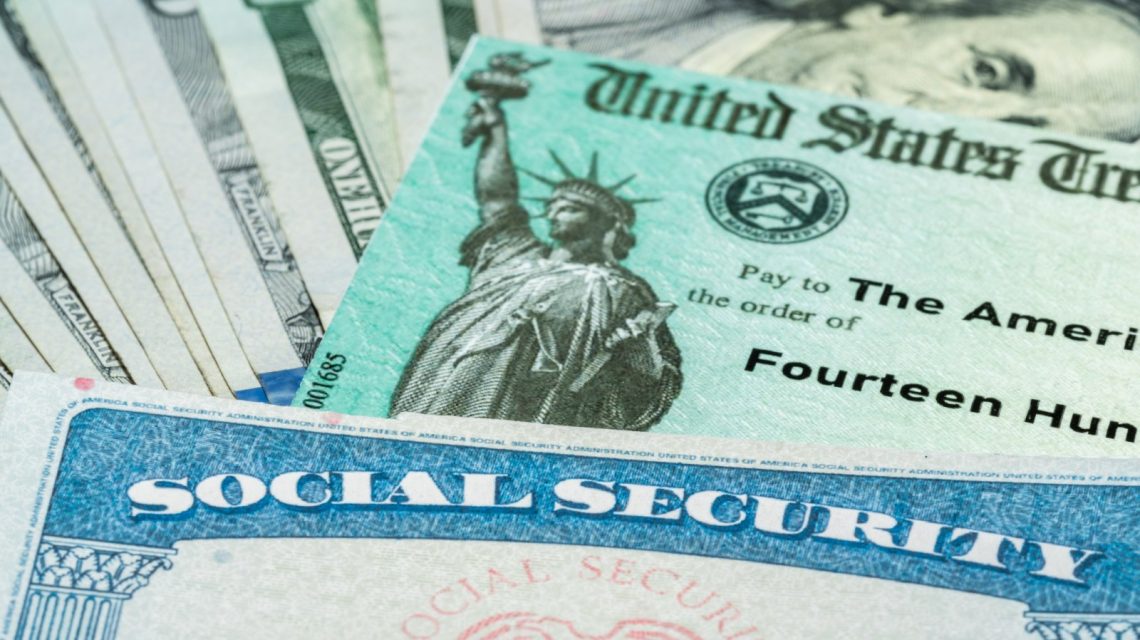
Upcoming Changes for Paper Check Recipients
Many recipients of Social Security benefits, who still receive paper checks, will soon need to transition to electronic payments. This change is due to a yearslong federal initiative aiming to phase out paper disbursements.
Under an executive order signed by President Donald Trump, after September 30, 2025, federal agencies like the Social Security Administration (SSA) must issue most payments electronically. This requirement affects all types of Social Security benefits, Supplemental Security Income (SSI), Social Security Disability Insurance (SSDI), tax refunds, and other federal payments.
Minimal Impact for Many Beneficiaries
Most beneficiaries will experience little change as they already receive payments electronically. However, those accustomed to paper checks must act before the new rules are enforced.
Reasons Behind Ending Paper Checks
The shift is guided by Executive Order 14247, signed in March, directing federal agencies to utilize electronic payment systems as much as feasible. The goal is to modernize government payment systems and diminish reliance on paper checks. Fraud and delivery concerns are also motivating factors.
The executive order outlines that all federal disbursements shall be made through electronic means such as direct deposit, debit, prepaid cards, digital wallets, and real-time payment systems.
Beyond security, the Trump administration noted that maintaining paper-payment infrastructure incurs high costs. In fiscal year 2024, agencies spent over $657 million on systems handling paper records and payments.
The move aims to protect against financial fraud, enhance federal payment security, increase efficiency, and cut costs. According to an agency blog, paper checks are 16 times more likely to be misplaced, stolen, altered, or returned than electronic payments.
Data from the Treasury Department indicates the average cost to print and mail a paper check is $3.07, which exceeds the minimal cost of an electronic transfer.
The transition is designed to be seamless for seniors, individuals with disabilities, and those lacking traditional bank accounts.
Impact on Other Federal Agencies
The IRS is also adapting to the executive order requirements, applying them to electronic payment processing, including tax refunds.
Exemptions and Waivers
The executive order includes limited exemptions to this default payment method. Individuals without accessible banking services or electronic systems may qualify for waivers. Additional exemptions apply to emergencies, specific law enforcement or national security situations, or other circumstances approved by the Treasury Department.
Exceptions may also be available for beneficiaries in remote locations or facing mental health challenges or access issues with financial institutions.
Steps for Switching to Electronic Payments
The SSA urges beneficiaries who rely on paper checks to transition promptly. Recipients can enroll in direct deposit by creating or logging into their My Social Security account and entering bank information. Financial institutions may also submit direct-deposit data electronically for customers.
For those without traditional bank accounts, benefits can be deposited onto a Direct Express prepaid debit card.
The agency advises that switching before the deadline will help avoid payment interruptions and ensure timely benefit delivery.
 Maryland First State to Restrict Electronic Pricing in Grocery Stores
  Activists Push for Nationwide Ban on Child Marriage in the U.S.
  Freddy’s American Adventure: From Soccer to College Football
  Democratic Hopes and Historical Warnings in 2026 Senate Race
  Republicans Face Challenges Amidst Cost of Living Concerns
  A Different Kind of Fall for Congress This Year