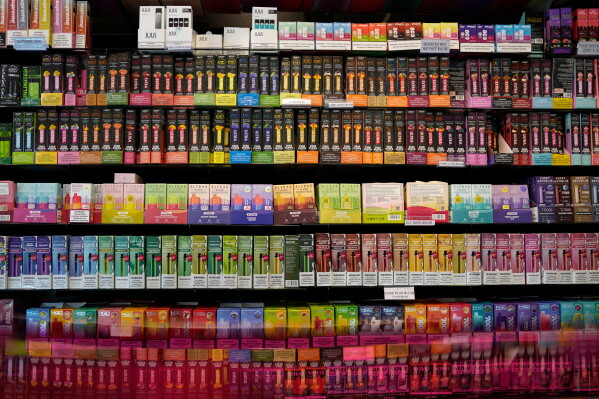
The Food and Drug Administration (FDA) recently approved fruit-flavored e-cigarettes from Glas Inc., stirring debate about their effectiveness in helping smokers quit. According to a new memo, these fruit-flavored vapes are not significantly more effective than tobacco-flavored e-cigarettes.
Last month, the FDA endorsed fruit-flavored vapes. This decision marked them as a potentially less harmful alternative to traditional smoking. However, this move was unexpected, given the agency’s previous stance that such flavors tend to appeal to children and should provide additional health benefits for adult users to gain approval.
Numerous health organizations and lawmakers in Washington have voiced their disapproval of the decision. They demand clarification on the FDA’s reasoning behind it. A recently released six-page memo from the agency offers insights into their justification.
FDA officials did not emphasize prior concerns about sweet vaping flavors in the memo. Instead, they acknowledged the limitations in the data provided by Glas Inc. To gain approval, companies are required to prove that their products benefit public health. In practice, this means demonstrating effectiveness in helping adults quit traditional cigarettes while not attracting minors.
The memo highlights that smokers who used Glas vapes were more inclined to switch entirely from cigarettes over three months. Despite this, there were no ‘statistically significant differences’ between users of the company’s mango and blueberry vapes and those using tobacco-flavored e-cigarettes. This shortfall meant that Glas failed to achieve the same standards as previous approvals for products like Juul and NJOY’s menthol vapes, which showed stronger results in aiding adults to quit smoking.
FDA regulators also noted that Glas vapes weren’t required to exhibit an added adult benefit due to their low likelihood of being used by young people. The company enforces age verification through a cellphone app for its users.
The FDA’s authorization conflicts with its recent guidelines. These guidelines suggest fruit and dessert flavors face a “high evidentiary burden” for adult use due to their appeal to children. Tobacco flavors, less popular among teenagers, typically face fewer regulatory challenges at the FDA.
The brevity of the FDA memo on Glas contrasts sharply with previous lengthy documents. For instance, last year’s memo approving Juul’s menthol vapes spanned over 90 pages and included detailed research data from 50,000 participants.
Furthermore, the Glas memo appeared online over a month after the products were approved, whereas the FDA usually posts such memos immediately. This delay has prompted inquiries from Congress, including a letter from 10 Democratic senators describing the decision as “shortsighted and reckless.”
Glas, also offering menthol and tobacco-flavored vapes, submitted its application to the FDA in 2021. While FDA scientists approved some flavors in February, a senior official under then-FDA Commissioner Marty Makary initially blocked the decision. The mango and blueberry products were approved during Makary’s final week at the agency following pressures from the industry, including tobacco firms advocating for relaxed vaping flavor regulations under the Trump administration.
A representative from Glas was unavailable for immediate comment. The Associated Press Health and Science Department, supported by the Howard Hughes Medical Institute and the Robert Wood Johnson Foundation, remains solely responsible for its content.
 Increased Funding Needed for Psychiatric Hospitals
  Trump Administration Distributes ACA Refund Checks
  Higher Consumption of Ultra-Processed Foods Linked to Increased Health Risks
  Understanding Inflammation: Myths and Facts
  Calm Parenting: Strategies to Manage Stress
 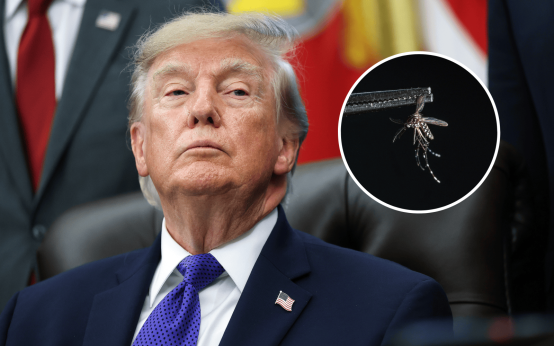 Trump’s Executive Order to Combat Mosquitoes and Ticks in D.C.