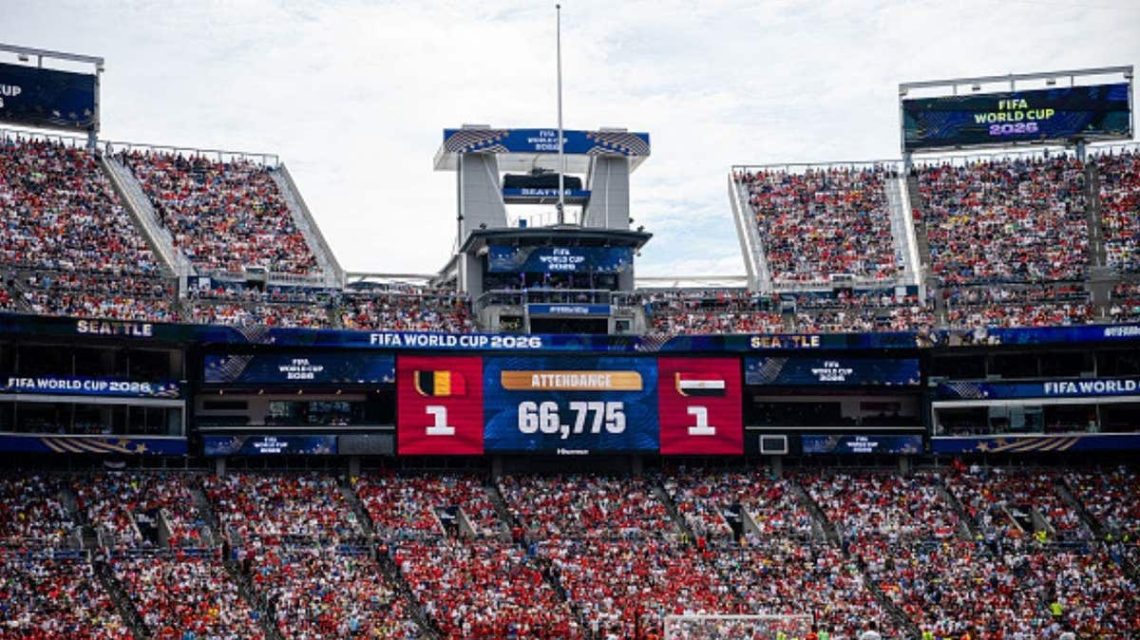
The World Cup debut in Seattle at Lumen Field saw an impressive turnout, with 66,775 fans witnessing an exciting 1-1 draw between Belgium and Egypt. Outside the venue, Seattle attracted attention for reasons less desirable.
The Seattle Police Department established designated ‘protest zones’ around the stadium. These zones were intended to confine demonstrators within small, fenced-off areas. Located along Occidental Avenue and South King Street, they were marked by plastic cones and orange construction netting, offering little space for public expression. The zones were notably minimal, barely accommodating a few people standing together.
Seattle’s mayor criticized a Christian rally, claiming it inspired violent ‘anarchists’ who infiltrated counter-protests.
Interestingly, the zones went virtually unused as demonstrators chose to disregard them, roaming freely around the streets. The setup quickly became a point of humor among fans.
Some Belgium supporters took photos beside the empty fences as if they were local landmarks. Others shared videos online mocking the city’s expectations for these enclosures, comparing them to suburban backyard trampolines.
Social media platforms rapidly responded. One user succinctly captured the sentiment: “‘Protest zones’ as if free speech is only designated to certain areas.” This was far from the image Seattle wanted to project, especially with more World Cup events and international visitors on the horizon.
For months, Seattle officials have endeavored to enhance the city’s appeal before the FIFA event, even clearing nearby homeless encampments and promoting the city as a top-tier destination. Yet, the ineffective protest zones garnered significant attention, leading many to question the rationale behind creating these spaces.
The situation left fans pondering why a city advocating freedom of expression would impose a restrictive corner that appeared like a penalty box for speech.
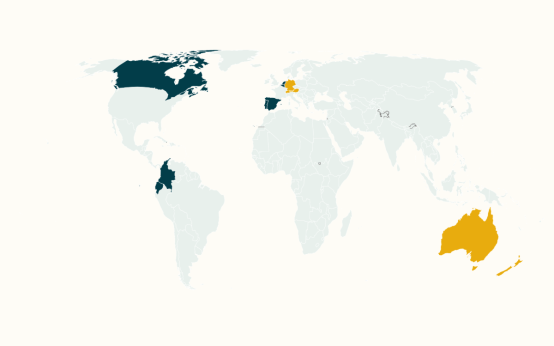 Dutch Review Board’s Euthanasia Ruling and International Debate
 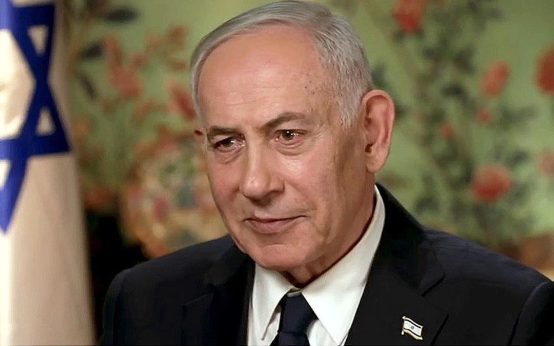 Israeli PM Commends Heroic Actions in Flight Emergency
 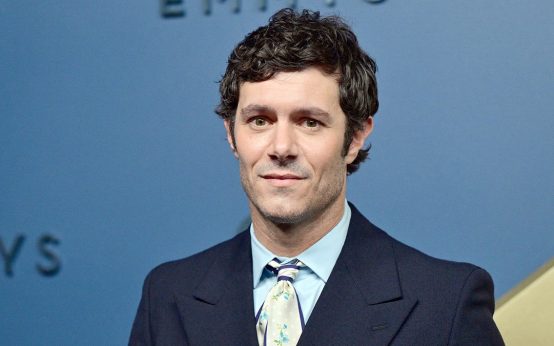 Rabbi and Jewish Leaders Criticize Adam Brody for ‘Genocide’ Comment
  Flydubai’s Emergency Landing Highlights Cockpit Security
 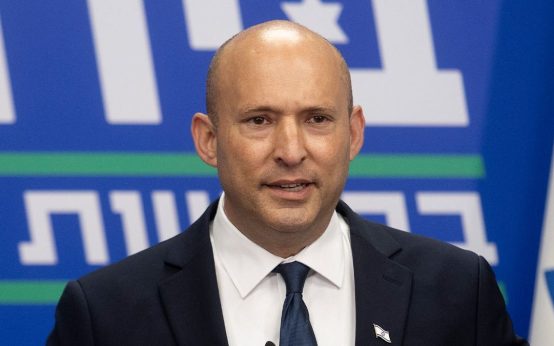 Former Israeli PM Naftali Bennett Commends Passengers and Crew for In-Flight Heroism
 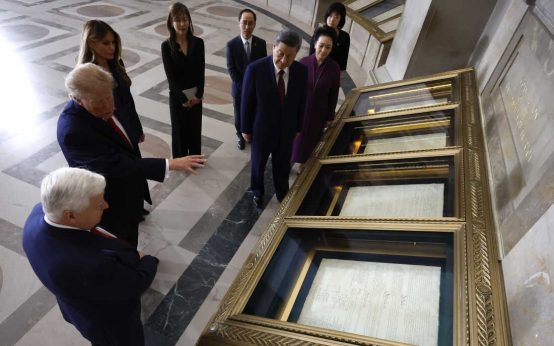 Diplomatic Complexities Unfold at U.S. National Archives Visit