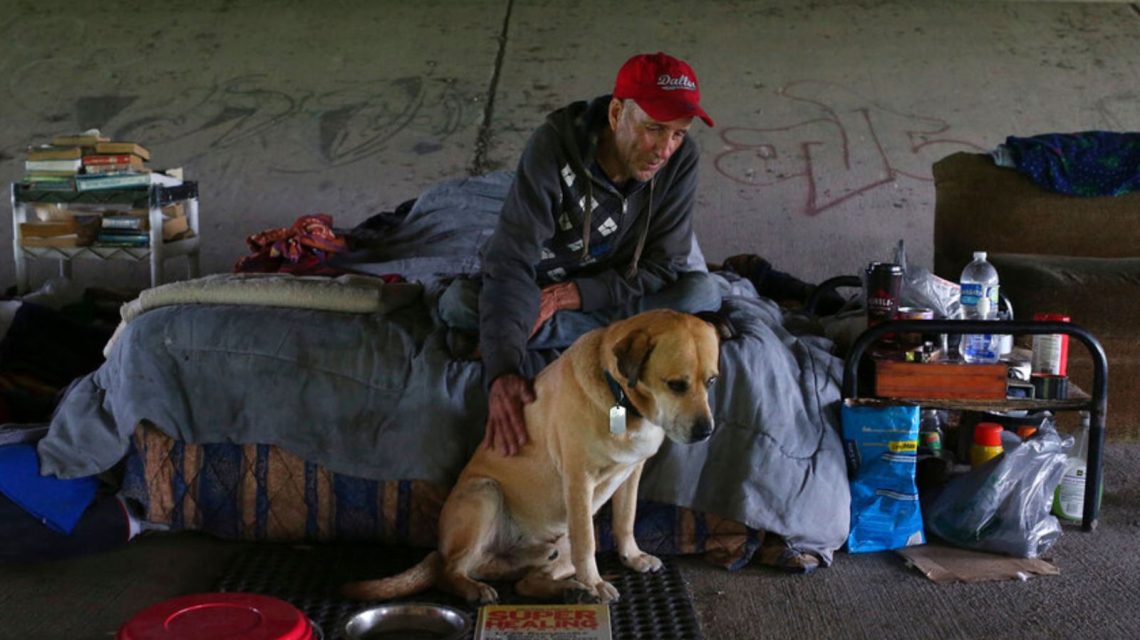
The Department of Veterans Affairs (VA) has introduced a foreclosure-prevention program specifically designed to assist struggling veterans in keeping their homes. This move is a response to rising concerns over increasing repossessions and limited support options for veterans.
Earlier this week, the agency announced the launch of the Partial Claim Program. This new initiative aims to support veterans who are behind on their VA-backed mortgages. The program involves a three-month trial repayment period where mortgage servicers collaborate with eligible borrowers. Upon successful completion, the servicer brings the loan up to date by covering the overdue balance. The VA then reimburses this amount, allowing veterans to repay after closing, refinancing, or selling the home.
VA Secretary Doug Collins stated that this program will help many veterans remain in their homes. He emphasized the importance of this policy, describing it as a needed safety measure for those facing financial difficulties.
A Response To A Growing Crisis
This launch addresses a crisis in the veteran housing market, triggered by the end of a recent relief program. Since May 2025, over 10,000 veterans have lost their homes. Additionally, around 90,000 veterans are either delinquent or in foreclosure.
The previous rescue initiative provided government support in stabilizing loans. Its expiration left many veterans with limited choices in restructuring, often resulting in increased monthly payments. Analysts foresaw a wave of foreclosures due to this lack of alternatives—a forecast that appears to have come true.
Questions Over Policy And Timing
Critics have questioned the timing and policies surrounding veteran housing. They have criticized the ending of previous relief efforts without a permanent solution, attributing this to the foreclosure spike. VA-backed loans are promoted as accessible paths to homeownership, boasting benefits like low down payments and favorable interest rates. Yet, protections may quickly vanish once payments are missed.
The Partial Claim Program addresses this gap by offering a method for veterans to catch up on missed payments without immediate increases in costs or losing their homes.
What The New Plan Does—And Doesn’t Do
This program’s key benefit is allowing veterans to update their loan status without changing underlying mortgage terms. It defers missed payments rather than rolling them into higher monthly bills. However, experts note that partial-claim policies don’t typically reduce original loan balances or provide ongoing payment assistance. Neil Caron from CMG Mortgage mentions that these programs “assist during temporary setbacks but can drain equity in cases of prolonged hardship.”
This limitation means the program’s success hinges on borrowers’ ability to maintain payments after relief periods end.
A Critical Test Ahead
The VA’s program rollout is a significant effort to stabilize the strained system. It is highlighted as one of several tools available, including loan modifications and repayment plans.
With many veterans still in jeopardy of home loss, the program’s impact will be closely observed. The question is whether federal policies are adequate for those who served the country to reverse foreclosure trends.
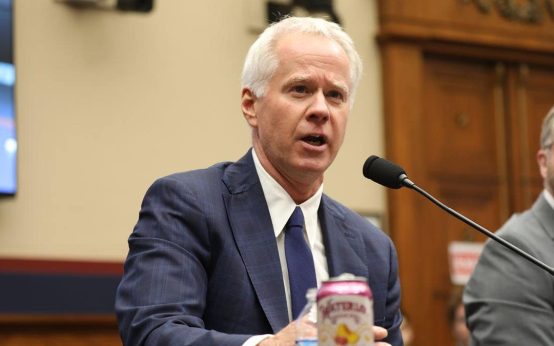 Patrick McEnroe Advocates for Collegiate Athletic Reform
 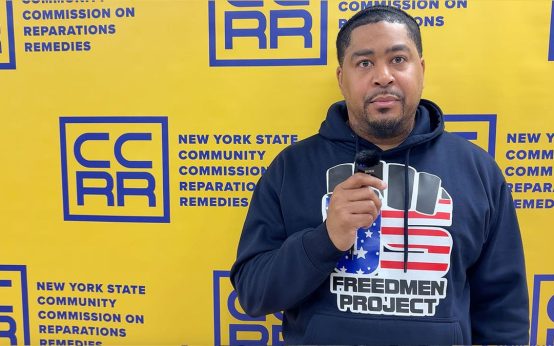 Push for Reparations Faces Challenges and Calls for Strict Eligibility
 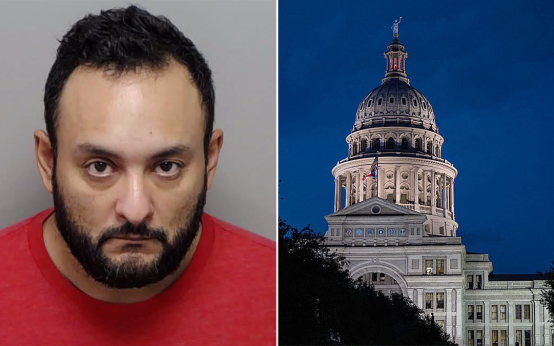 Texas Man Arrested for Threatening State Capitol Attack
  The Key Debate Between Xavier Becerra and Steve Hilton: What You Need to Know
  Physicians Urge Senate to Reject FDA Nominee
  Trump’s Executive Order to Combat Mosquitoes and Ticks in D.C.