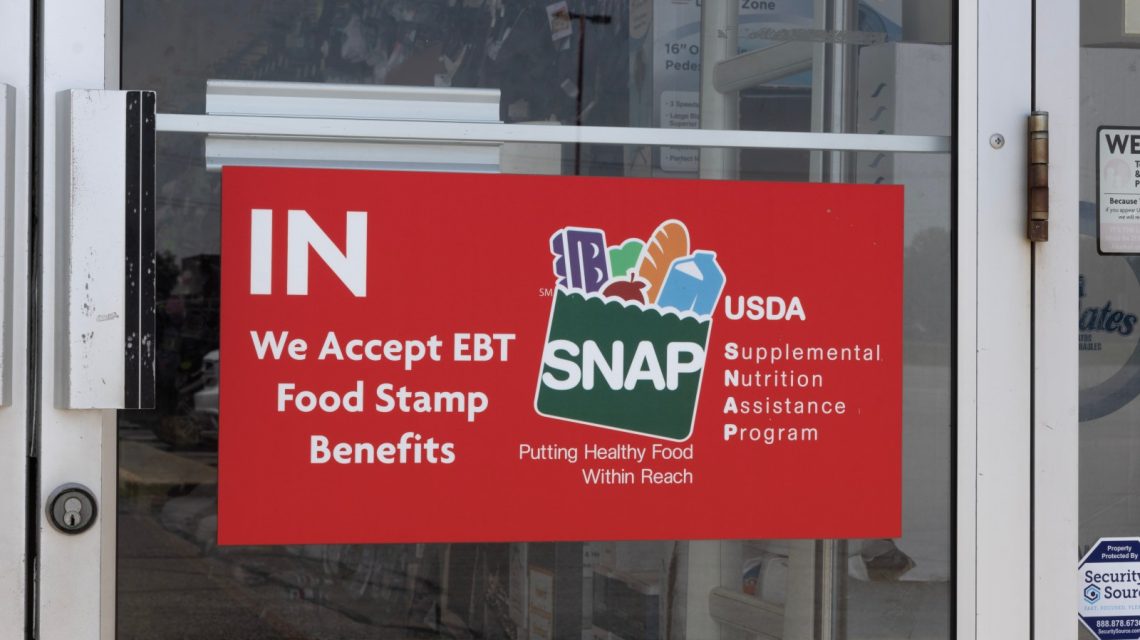
Recent reports indicate significant changes in the Supplemental Nutrition Assistance Program (SNAP) have affected numerous children in the United States. Both ProPublica and the Center on Budget and Policy Priorities (CBPP) highlight a decline in children’s participation in SNAP due to federal changes implemented in 2025 under the Trump administration.
Impact of Policy Changes
In 2025, the administration aimed to curb waste and abuse in government programs. Stricter eligibility standards, expanded work requirements, and reduced federal support for states managing programs like SNAP became the focus. Kevin Thompson, CEO of 9i Capital Group, remarked to Newsweek that these actions led to many Americans losing benefits they previously relied on.
Why SNAP Is Significant
SNAP is the largest U.S. anti-hunger program, helping millions, especially families with children. The CBPP links SNAP to reduced poverty and food insecurity, improving health outcomes. The recent drop in benefits raises concerns about long-term effects on low-income families.
Current Participation Trends
- At least 776,000 children lost benefits in 12 states reporting age-specific data, as analyzed by ProPublica.
- This figure represents 46% of the decrease in SNAP enrollment in those states.
- The CBPP estimates over 700,000 children lost benefits in the same states.
SNAP participation nationally has dropped by millions. Partial datasets suggest the true extent could be higher.
ProPublica’s Findings
ProPublica examined 12 states that break down SNAP by age, comparing enrollment before and after 2025. The legislation known as H.R. 1 cut SNAP funding by $187 billion through 2034—a 20% reduction, marking the largest in SNAP’s history.
“Familial grocery budgets shrink while other costs persist, forcing reliance on food banks or reduced food purchases,” said Alex Beene, a financial literacy instructor at the University of Tennessee at Martin.
CBPP Analysis
The CBPP combined federal and state data, noting children made up about half of the 1.6 million decrease in SNAP participation across 12 states.
Why Participation Is Dropping
The decline isn’t about reduced need but barriers from H.R. 1. States now partly cover SNAP costs and face penalties for payment errors, prompting tighter eligibility and application processes. This discourages participation, even for eligible families.
Arizona recorded a severe 55% drop in child participation, losing 205,223 participants, with Louisiana showing a 22% decline.
Potential Impact on Children
The loss of SNAP benefits may result in long-term negative outcomes. SNAP is tied to better health and lower disease risk, so lacking these benefits could increase diet-related illnesses in future generations. Economic and social ramifications could persist beyond immediate financial savings.
“Economic hardship is linked with crime, housing instability, and poor education outcomes,” said Thompson. “Struggling families often affect multiple generations.”
The impact extends to education, as food insecurity harms cognitive development and school performance, potentially reducing earning potential in adulthood.
Additionally, losing SNAP eligibility may disqualify children from WIC benefits and school meal programs, which often depend on SNAP eligibility.
Future Developments
The full impact is still unfolding, as not all 2025 law provisions have started. States will assume new financial duties in 2027, possibly tightening SNAP access further.
“Childhood hunger leads to health and academic challenges, signaling consequences much larger than missing a single meal,” Beene noted.
 Early Detection of Atherosclerosis and Heart Disease Prevention
  Church Attendance Linked to Increased Sexual Satisfaction for Married Couples
  Dining with Loved Ones May Benefit Blood Sugar Levels
  Urgent Need for Action in East Africa’s Food Crisis
  Facing Terminal Illness: Embracing Life’s Moments
  Eating with Partners May Impact Blood Sugar Regulation