
As a potentially record-breaking El Niño begins, scientists are engaged in a heated debate about whether climate change is amplifying the phenomenon. This discussion has significant implications for extreme weather events and associated disasters.
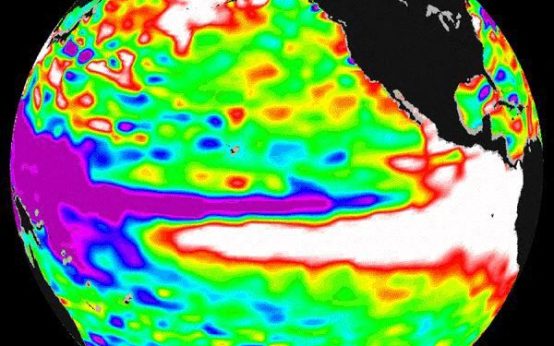
El Niño, a natural occurrence every few years, raises global temperatures. The current El Niño, which started recently, is likely to be highly intense and could break previous records. Over recent decades, El Niño events have been strong, standing out over the past 600 years. This pattern has led some scientists to propose that climate change may be enhancing El Niño’s strength. However, others argue that clear evidence for this claim is lacking.
Kim Cobb, a climate scientist and director at the Institute at Brown for Environment and Society, noted, “It’s highly contested, because it’s such an important question to get right.” Understanding this phenomenon may take years as more data becomes available.
Determining if climate change is increasing El Niño’s intensity is crucial. El Niño disrupts global weather patterns, often causing significant impacts like higher temperatures, increased drought risk in some regions, and flooding in others. These events are essentially ocean anomalies, and if climate change makes these anomalies more substantial, the resulting chaos and damage could be greater.
 Atlantic Ends September Without a Hurricane for First Time Since 1994
  Bobcat Sightings and Conservation Efforts in Illinois
  2026 El Niño: A Historical Comparison and Future Projections
  U.S. Records Warmest September in History
  Swiss Glaciers Show Effects of Ice Loss Amid Global Warming
  Climate-Resistant Rock Glaciers: Hidden Water Resources