
The Supreme Court has invalidated long-standing campaign finance rules that restricted financial coordination between national political party committees and individual candidates. The rules were challenged by Vice President JD Vance. The court decision, articulated by Justice Brett Kavanaugh, concluded with a 6-3 vote that these limitations breach the First Amendment’s provisions on free speech. The ruling hinges on the idea that political spending qualifies as a form of expression.
The lawsuit was initiated by the National Republican Senatorial Committee and the National Republican Congressional Committee, along with two campaign groups: Vance’s Senate campaign in Ohio and former Rep. Steve Chabot’s congressional campaign in the same state. The Federal Election Commission backed the challenge under the Trump administration.
The conservative majority in the Supreme Court has shown consistent doubt regarding campaign finance limitations on the grounds of free speech. The Republican Party has traditionally contested these rules. Over the years, several Supreme Court rulings have gradually dismantled campaign finance constraints. Notably, the 2010 Citizens United v. FEC decision allowed for unlimited independent spending by super political action committees (super PACs).
According to the invalidated law, while parties could spend unlimited amounts independently for a candidate, coordinated spending with a campaign had limits. This cooperative spending could include costs like those for venue rentals, hiring fundraising consultants, or covering travel expenses for candidates. The stipulated limit varied; it could approach $4 million for Senate elections and $127,000 for House races concerning at-large seats.
Following the Citizens United ruling, campaign spending increased significantly. However, the set caps became less effective, failing to achieve their intended purpose of reducing monetary influence in politics to prevent corruption or its appearance.
 State Department Simplifies Passport Process with Online Applications
 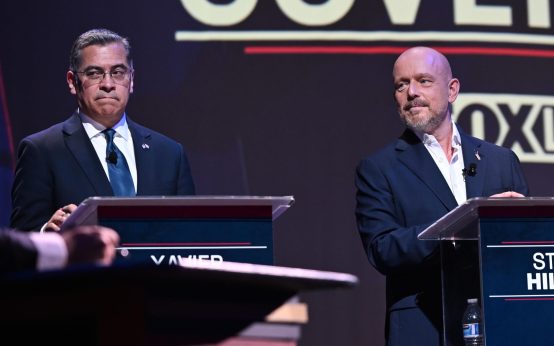 Becerra and Hilton Clash in California Gubernatorial Debate
  California Voters to Decide on $7.5 Billion State Research Fund
 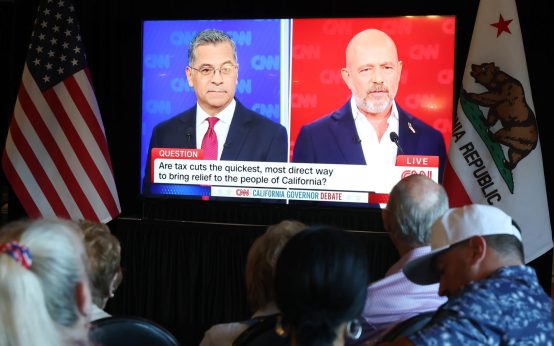 Highlights from the California Gubernatorial Debate: Becerra vs. Hilton
 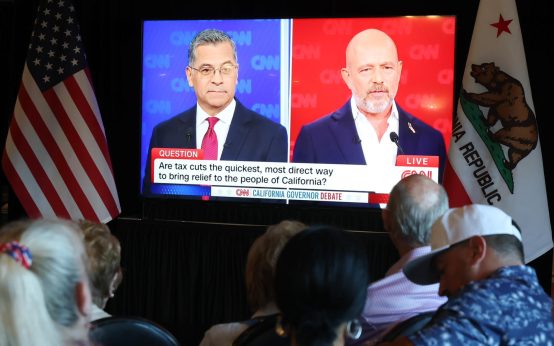 Becerra vs. Hilton: The Debate and Key Issues in the California Governor Race
  Senate Confirms New Labor Secretary