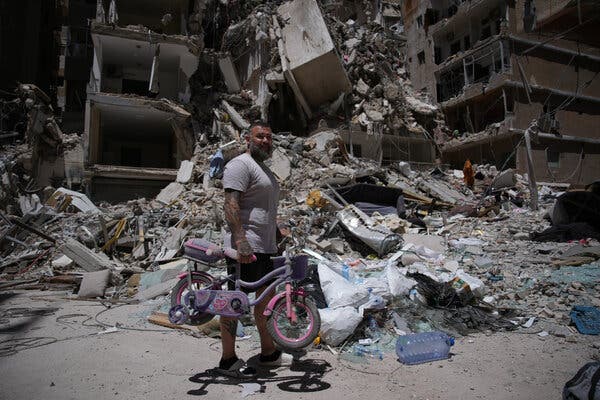
The recent cease-fire agreement between the United States and Iran aims to stop hostilities in Lebanon. However, U.S. intelligence officials remain doubtful about Israel ceasing strikes on Hezbollah.
Continuing Conflict
Prime Minister Benjamin Netanyahu of Israel is likely to persist with military actions against Hezbollah. This decision is influenced by domestic pressures to respond to ongoing attacks on northern Israel. Although the U.S.-Iran deal specifically calls for a halt to the fighting in Lebanon, Israel’s actions seem unchanged.
Hezbollah and Israel
Hezbollah poses a significant threat to Israel due to its powerful militia, funded by Iran. Israeli officials believe they must respond to the group’s attacks. U.S. intelligence suggests that Israel will continue its operations, risking negotiations with Iran.
Criticism and Challenges
The cease-fire is unpopular in Israel. Critics point to its failure to address Iran’s missile program and the demand for U.S. troop withdrawal. Further, it restricts Israeli military activities in Lebanon.
Official Position
Israel is not a direct signatory to the agreement. Nevertheless, Yechiel Leiter, Israel’s ambassador to the U.S., stated Israel agreed to a cease-fire and stopped offensive operations in Lebanon. Despite this, Israeli forces remain in southern Lebanon, prioritizing national security.
Recent intelligence shows skepticism about the durability of these commitments, given the prevailing security concerns.
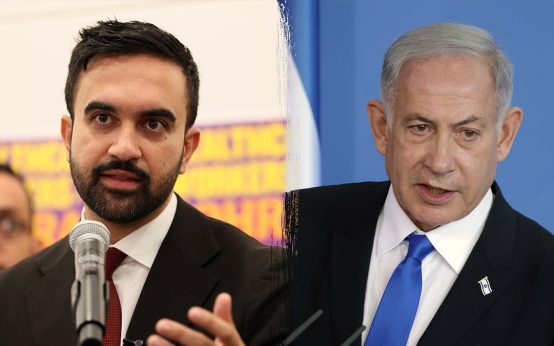 Mayor Mamdani Responds to Netanyahu’s United Nations Speech
  British Prosecutors Charge Man with Terrorism Over Politician’s Murder
 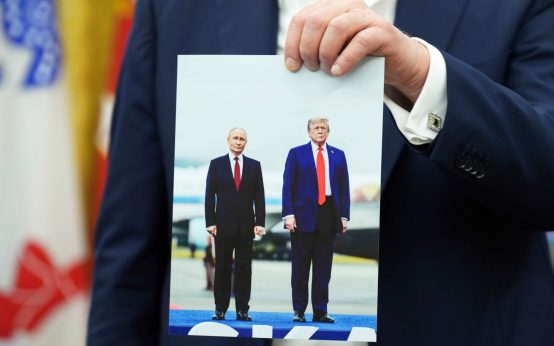 Backlash Against Trump’s White House Photos
 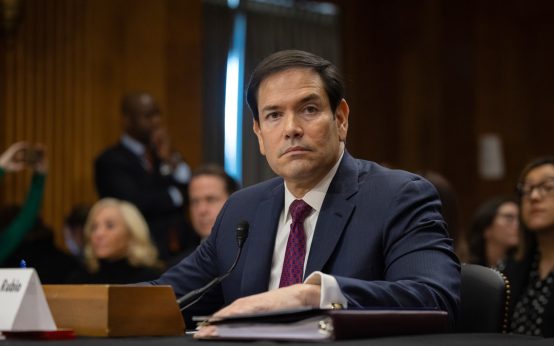 State Department Accuses Senate Democrats of ‘Grandstanding’ Over Venezuela Oil Deal
 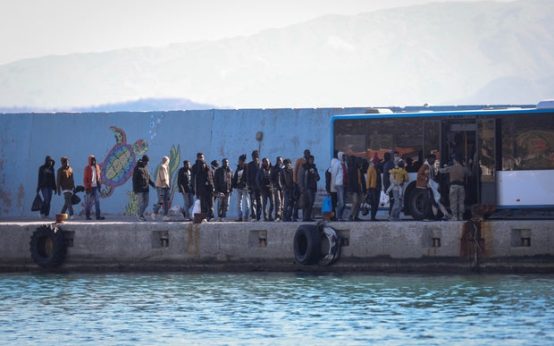 EU Plans Deportation of Rejected Asylum Seekers
  British Police Arrest Man Suspected of Terror Plot