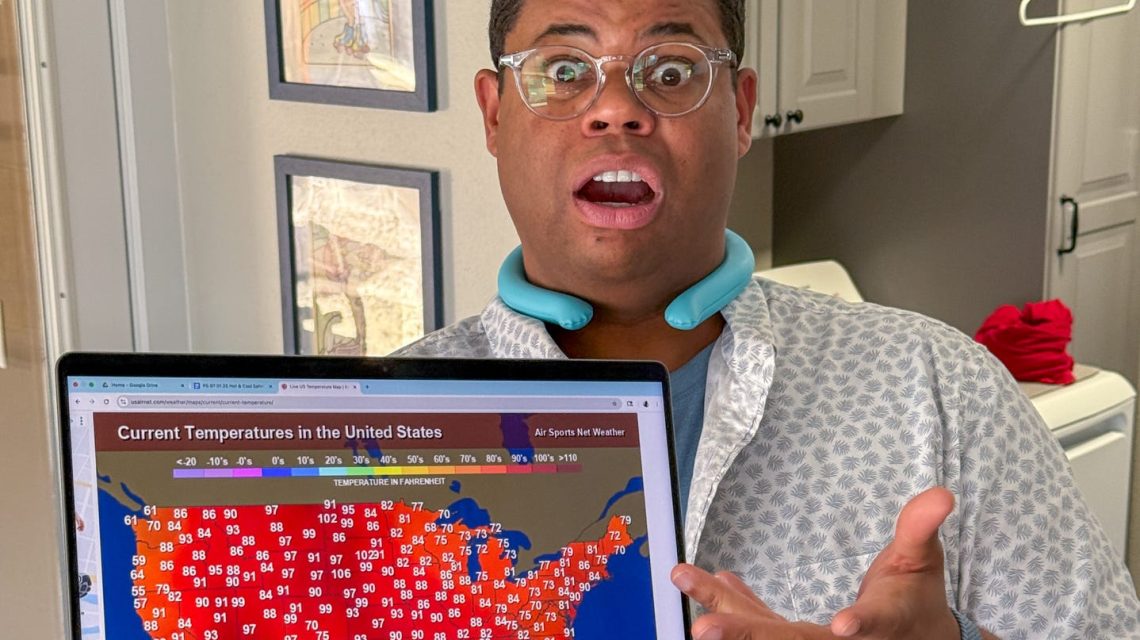
The Climate Prediction Center of NOAA released a three-month forecast on June 18. It indicates a strong likelihood of above-normal temperatures across most of the United States this summer.
While summer officially commences on June 21, the heat is expected to set in promptly. The forecast specifically notes that Oregon and Washington have the highest chances of experiencing temperatures above the historical averages during July, August, and September.
Only Illinois, along with parts of Wisconsin, Iowa, and Missouri, have an estimated 30% chance to experience below-average temperatures, based on historical data from 1991 to 2020.
“What we’re seeing for the July, August, September time period is that for the majority of the country, the trend has been warmer,” stated Scott Handel, a meteorologist with the National Weather Service.
Fire and Drought Concerns for Summer 2026
For most of the United States, precipitation is expected to remain consistent with historical averages over the next three months. Yet, areas like Southern California, Utah, Arizona, and parts of Nevada, Idaho, Wyoming, Colorado, and New Mexico are anticipated to receive above-average precipitation.
This increase in rainfall could be beneficial, particularly for regions prone to drought and wildfires. Chad Merrill, a senior meteorologist at AccuWeather, explains that this forecast is due to a mix of monsoon moisture and one or two east Pacific tropical storms.
However, these conditions present a potential escalation in wildfire risk throughout the fall in the Northwest. This is due to the area being warmer and drier than usual.
Merrill further notes that drought conditions will worsen in the northern Rockies. Dry thunderstorms could trigger wildfires at the start of the monsoon season in the Southwest. Yet, the presence of increased moisture between late July and August could transform the threat from wildfires to flooding rapidly.
“The southwest can see a big target that’s the summer going from very dry, very hot, with a wildfire risk to all of a sudden having episodes of flooding,” Merrill remarked. “We also see an elevated flooding risk from northern Texas all the way into the Midwest.”
 Atlantic Ends September Without a Hurricane for First Time Since 1994
  Bobcat Sightings and Conservation Efforts in Illinois
 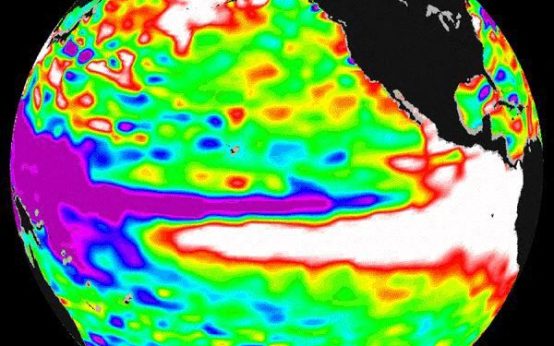 2026 El Niño: A Historical Comparison and Future Projections
  U.S. Records Warmest September in History
 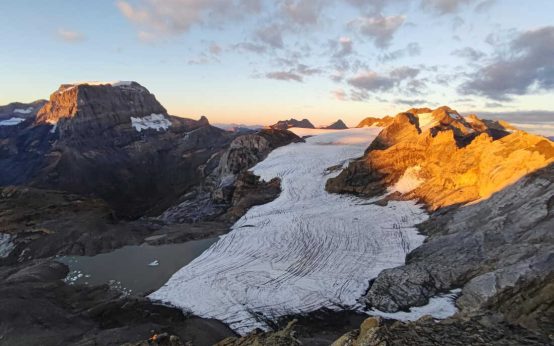 Swiss Glaciers Show Effects of Ice Loss Amid Global Warming
  Climate-Resistant Rock Glaciers: Hidden Water Resources