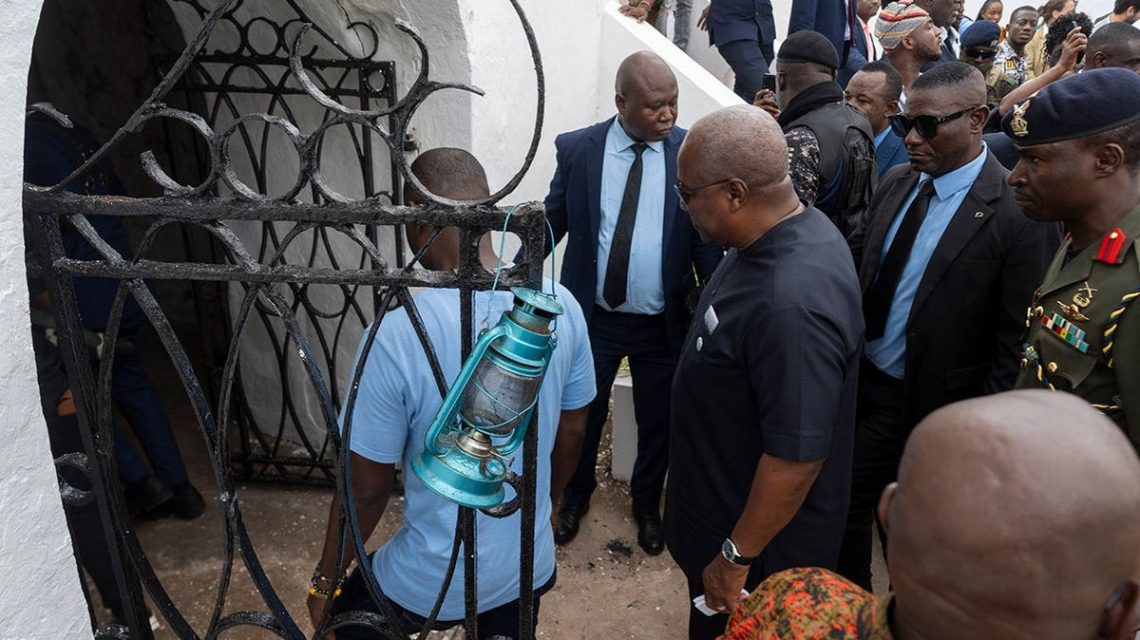
African and Caribbean leaders are advocating for financial compensation, debt cancellation, and formal apologies from nations that benefited from the transatlantic slave trade. This follows the adoption of a comprehensive reparations plan during a conference in Ghana.
Key Elements of the Reparations Plan
The 19-point framework outlines several key requests:
- Financial compensation and debt relief.
- Creation of a Global Reparations Fund.
- Return of looted cultural artifacts and ancestral remains.
- Reforms to international financial institutions that allegedly disadvantage developing countries.
The plan will be presented at the next United Nations General Assembly meeting. It marks a coordinated effort by African and Caribbean countries to push for slavery reparations.
Adoption and Leadership
The African Union and the Caribbean Community (CARICOM) Commission on Reparatory Justice adopted the plan after a three-day conference. Ghanaian President John Dramani Mahama, recognizing the historical atrocities, stated that the current generation must inherit responsibility, not guilt.
The proposal does not specify which countries should provide compensation or issue apologies but calls for broader actions, such as debt cancellation, climate justice financing, and expanded citizenship pathways for Africans in the diaspora.
Historical Context
Advocates highlight that over 12.5 million Africans were trafficked on European ships from the 15th to the 19th centuries. The conference follows a UN resolution recognizing transatlantic slavery as a severe crime against humanity, though the resolution faced some opposition and abstentions from countries including the U.S. and Israel.
International Perspectives
Heads of state from various countries, including Namibia, Barbados, and Senegal, attended the conference. French President Emmanuel Macron addressed participants virtually, acknowledging the profound suffering caused by slavery.
Macron emphasized that reparations should not be seen merely as a monetary settlement, but as part of a larger narrative to address historical injustices.
The plan consolidates reparations efforts previously pursued separately by African and Caribbean nations into a single document for presentation to the United Nations.
 Sen. Cotton Opposes Permanent Daylight Saving Time
 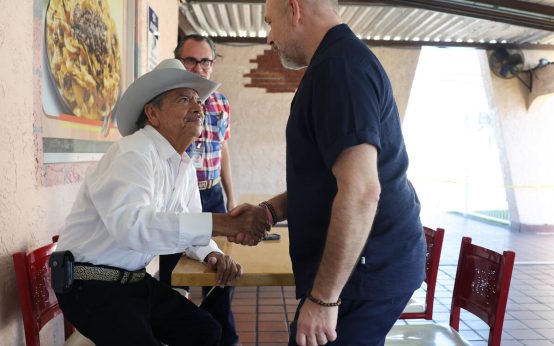 Steve Hilton’s Latino Outreach and Gubernatorial Ambitions
  The Need for Reform in Presidential Nominations
 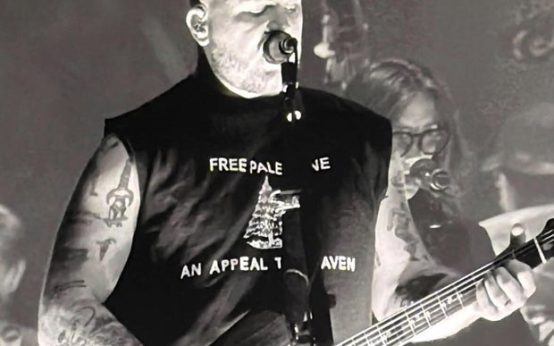 Controversy Surrounds Performances at Gillette Stadium
 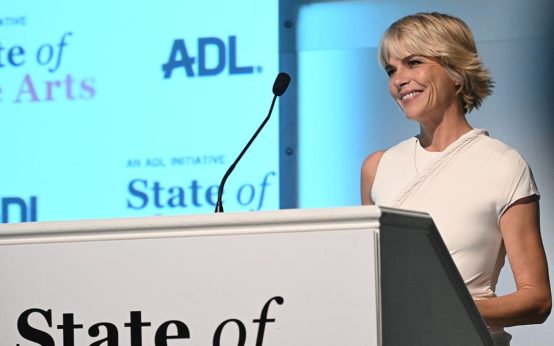 Celebrity Controversies Over Political Activism and Speech
  The Threat of Melting Glaciers: A Call to Action