Rep. Rich McCormick’s Skepticism
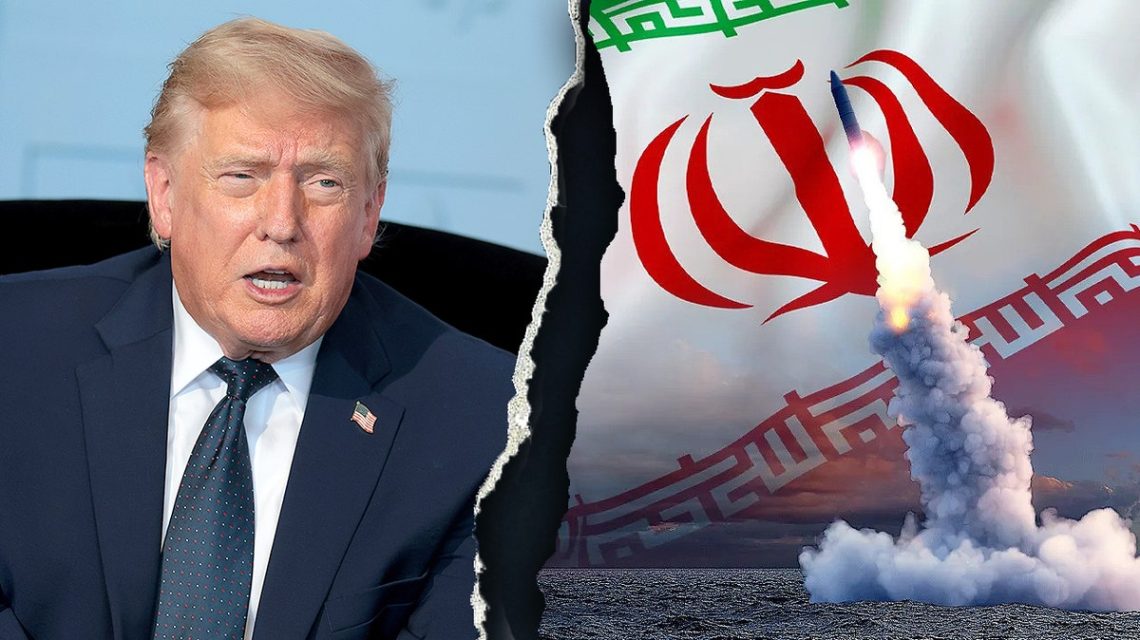
Georgia Republican Representative Rich McCormick voices his unwavering distrust towards the Iranian regime as the Iran nuclear negotiations evolve. He aligns with former President Donald Trump’s stance, describing the deal as an ‘unconditional surrender.’ McCormick focuses on the risk of unfrozen assets potentially strengthening Iran’s military capabilities. He emphasizes Iran’s history of aggression and advocates for significant changes within the regime.
President Trump’s Framework and Expert Warnings
Nuclear experts express apprehension over Trump’s proposed Iran framework, worrying that it might permit Tehran excessive control over its uranium reserves. The reported U.S.-Iran memorandum of understanding (MOU) suggests addressing Iran’s enriched uranium through negotiations. The MOU mentions ‘downblending,’ a process to dilute uranium under International Atomic Energy Agency (IAEA) oversight, as a necessary measure. However, it does not clearly stipulate whether Iran can maintain a civilian nuclear program.
‘Unfettered verification is everything,’ Chuck DeVore from the Texas Public Policy Foundation comments. He stresses the importance of allowing inspection teams comprehensive access.
On-Site Verification Importance
The agreement, now signed, has postponed supplementary technical discussions initially planned for Switzerland. This delay complicates the nuclear deal’s progress, initiating a 60-day period for finalizing further agreements. IAEA oversight requires inspectors to fully account for Iran’s enriched uranium stockpile, ensuring Iran does not maintain unchecked control. Recent reports highlight limitations in the IAEA’s visibility into Iran’s nuclear facilities post-military strikes last year.
Administration’s Viewpoint
An administration official emphasizes that the new MOU is a step towards understanding Iran’s uranium stockpile situation, addressing enrichment bans, and enhancing inspection access and site dismantling efforts. The official highlights productive talks with Iran, indicating ongoing negotiations following the formal agreement.
Challenges in Verification
Comments by Vice President JD Vance underline the significance of Iran upholding its promises, like not enriching uranium and allowing destruction of enriched stockpiles. Andrea Stricker from the Foundation for Defense of Democracies emphasizes the critical need for recovering and safeguarding Iran’s uranium reserves, dismantling nuclear capabilities, and redirecting scientists to civilian work.
Verification Challenges and Historical Context
Chuck DeVore addresses on-site ‘downblending’ as a method to prevent further enrichment of Iran’s uranium. He cautions that transforming the material into weapons-grade uranium requires additional processing. Recent strikes on Iran’s facilities may hamper such efforts. DeVore warns against repeating past errors, stressing that the ultimate question lies in rigorous on-site verification.
DeVore, recalling his experience with Cold War-era nuclear agreements, highlights that necessary minimum verification standards often become lower than required during diplomatic negotiations. He warns of signing agreements that do not meet expert expectations.
The IAEA’s current ability to account for Iran’s uranium stockpile remains uncertain. Verification challenges posed by the Iran nuclear deal are aspects experts continue to scrutinize.
 The Trump Team’s Challenge to the Military Leadership
  Maryland First State to Restrict Electronic Pricing in Grocery Stores
 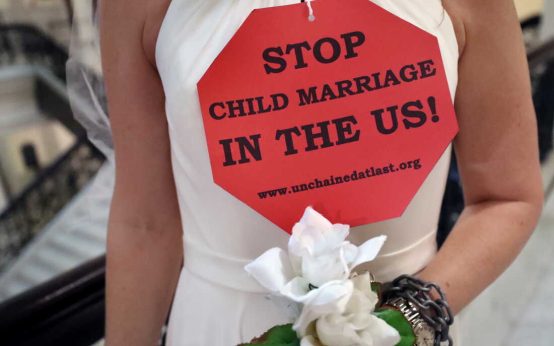 Activists Push for Nationwide Ban on Child Marriage in the U.S.
 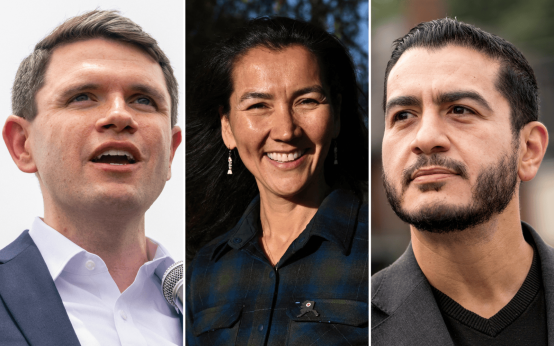 Democratic Hopes and Historical Warnings in 2026 Senate Race
  Republicans Face Challenges Amidst Cost of Living Concerns
  A Different Kind of Fall for Congress This Year