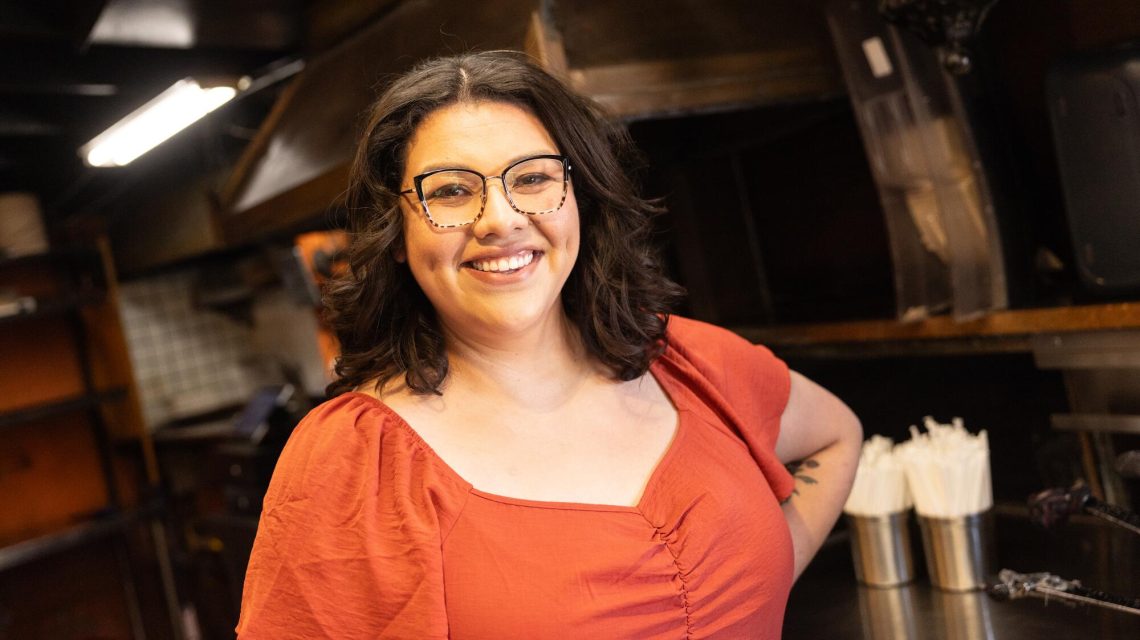
In April, a hidden issue came to light at Cielito Lindo, a historic Mexican American restaurant on Olvera Street. An anonymous tip revealed employees were stealing cash, totaling up to $600 per shift, according to company records. The discovery led to several firings and, coupled with electrical problems, resulted in the restaurant closing temporarily on May 12. Liliana Robertson, the manager, and her cousins made the difficult decision to shut doors until they could address these challenges.
Cielito Lindo, established in 1937 by Aurora Guerrero, is known for its hand-rolled taquitos with avocado salsa. Olvera Street, home to long-standing family businesses, has been a cultural landmark for L.A.’s Mexican community for decades. However, like many other small Mexican-owned establishments on Olvera Street, it faces difficulties due to reduced foot traffic, increasing costs, and rent arrears.
The Legacy of Olvera Street
Historically significant, Olvera Street features cobblestone paths lined with vendors selling Mexican crafts, clothing, and souvenirs. However, there is a noticeable quietness these days. Once comparable to the lively city center, Olvera Street has experienced a downturn reminiscent of what socialite Christine Sterling first saw in 1926. Back then, buildings were in disrepair and pending demolition, but Sterling revitalized the area in 1930 into a vibrant cultural hub, thanks largely to the help of city workers and prison labor.
Businesses like Cielito Lindo and La Luz del Día thrived. The latter, started by Jesus “Jack” Berber in 1941, is now managed by his grandson, Gregory Berber, who struggles to keep it open amid significant losses. Many vendors are behind on rent, echoing the financial strains exacerbated by declining visitor numbers since the pandemic. Past popular spots, like La Golondrina, have shut down due to maintenance and financial challenges.
Struggles and Hope for the Future
The pandemic reduced Olvera Street’s visitor numbers from millions to just hundreds of thousands annually. Fewer tourists mean businesses close early as foot traffic wanes. Some owners use their own social security to cover costs, while others, like Robertson, faced legal and repair issues.
Recent efforts to manage these obstacles include a GoFundMe campaign, which raised over $50,000 to help Cielito Lindo. Despite setbacks, Robertson remains hopeful about reopening and continuing the family legacy. Until then, orders can be picked up at the restaurant’s commissary.
Plenty of vendors report ongoing challenges, from rent to repairing historic buildings. To ensure safety, the city collaborates with LAPD for security and maintains public areas, though individual tenants handle maintenance and rent. Robertson mentions safety concerns, especially with homeless individuals causing disturbances nearby.
Preserving History and Attracting New Visitors
Domenika Lynch, the general manager of El Pueblo, plans to entice visitors by ensuring cleanliness and safety while offering cultural events. Upcoming activities include the El Pueblo de Los Angeles Heritage Festival during the World Cup, aimed at drawing international attention.
Lynch introduces initiatives like Mercado Night and Queer Mercado, intending to invigorate the area much like Sterling did decades ago. She also looks to diversify retail offerings, with a focus on storytelling and online visibility to rekindle interest in Olvera Street as a historic landmark.
Merchants like Berber are committed to preserving their heritage, willing to adapt to new market needs. Efforts include exploring outside funding and city assistance to help vendors manage debts. While financial sustainability remains crucial, the commitment to cultural continuity is equally strong.
 Lisdoonvarna Matchmaking Festival: A Unique Tradition
  The Quest for the Knuckleball Dream
  Navigating Grief After a Sibling’s Overdose
  Tragedy and Immigration: The Impact on a Family
  The Journey of a Fox News Correspondent: From Infectious Diseases to On-Air Reporting and Beyond
  Midwest Underground Railroad Network Gains National Recognition