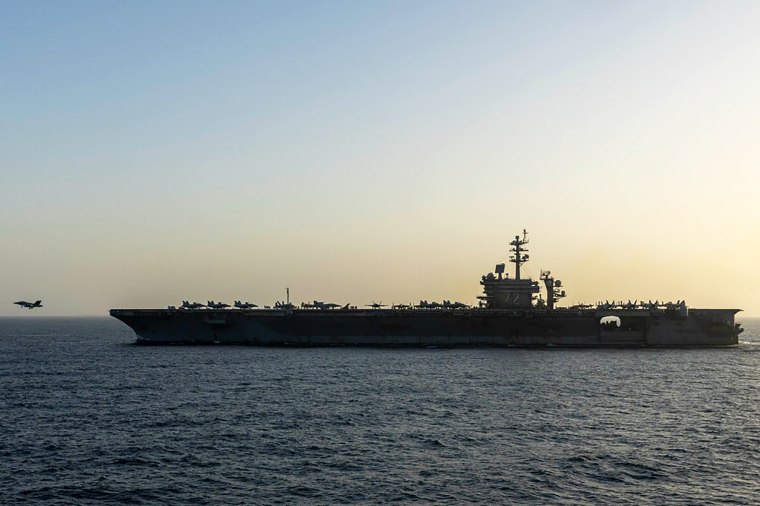
Adm. Brad Cooper, leader of U.S. Central Command, described his recent visit to the USS Abraham Lincoln as “awe-inspiring,” praising the crew’s resilience amid mental health concerns and deteriorating conditions aboard the aircraft carrier.
Family members of those aboard have reported a lack of supplies and food, along with declining mental health, including some sailors attempting to jump overboard. The ship, which has not docked for more than 200 days, set a record for the longest consecutive days at sea, as noted by Democratic lawmakers demanding answers.
In a statement on social media, Cooper highlighted that the Lincoln had the fewest mental health cases among the Navy’s 11 active aircraft carriers. He acknowledged the challenges of long sea deployments, stating, “Service at sea for long periods isn’t for everyone.” He emphasized the importance of attention to mental health, commending the Lincoln’s leadership, particularly the Chief Petty Officers Mess, for prioritizing mental health and crew resilience.
The USS Abraham Lincoln, home-based in San Diego, was redirected to the Middle East in support of U.S. military operations in the war with Iran. It holds about 5,000 sailors and Marines.
Defense Secretary Pete Hegseth claimed reports about conditions on the Lincoln “completely misrepresented” the situation. President Donald Trump downplayed concerns regarding the deployment’s duration, stating it was “not nearly long enough.”
The USS George Washington is scheduled to replace the Lincoln in the Middle East, according to a U.S. official. The transition and return of the Lincoln to San Diego might take several weeks, expected to require at least two weeks for the journey back.
 G7 Nations Agree to Release 100 Million Barrels of Oil Amid Fuel Price Surge
  Co-Pilot Attempts Hijack on Flight to Tel Aviv
 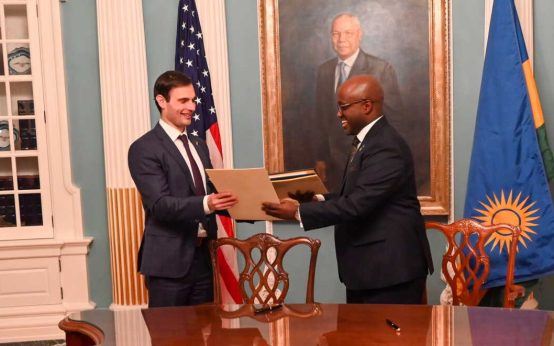 U.S. Revises Global Health Aid with New Strategy
  U.S. Warns Against Travel to Colombia’s Norte de Santander Due to Security Threats
  Reflections on 30 Years at Fox News
  Mayor Mamdani Responds to Netanyahu’s United Nations Speech