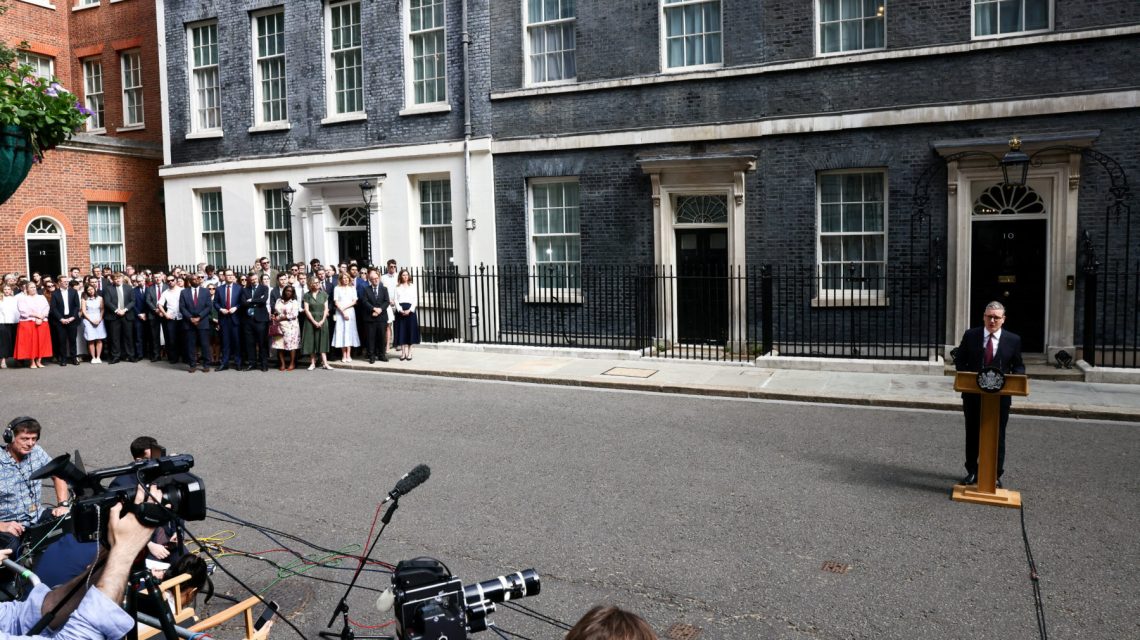
Keir Starmer was elected as Britain’s prime minister to bring stability after years of political turmoil under Conservative rule. Less than two years later, his tenure is ending amidst errors, party discord, and a major misjudgment, ultimately linking him to Jeffrey Epstein-related scandals. On Monday, Starmer announced his departure as leader of the Labour Party, stating he will remain prime minister until a new leader is selected.
Starmer’s Promised Stability Falters
Political science professor Rob Ford notes Starmer aimed to end soap opera politics. Instead, his administration contradicted his pledge, unable to survive repeated missteps. Promised competence gave way to failures, culminating in resignations and challenges prompting former Greater Manchester Mayor Andy Burnham’s rise.
A major defeat in local and regional elections on May 7 initiated Starmer’s downfall. Labour suffered losses, triggered by voter disillusionment rooted in disappointing leadership. The 2024 victory with 411 seats was built on dissatisfaction with Conservatives, rather than enthusiasm for Labour.
Missteps and Scandals Erode Support
Starmer’s credibility diminished quickly through errors such as accepting gifts and policy U-turns, especially chaotic welfare spending cuts. His appointment of Peter Mandelson as ambassador to the U.S. was a critical blunder. Despite Mandelson’s political prowess, his ties to Epstein exposed Starmer to backlash. Starmer fired Mandelson, but subsequent revelations deepened crises.
Political Career and Challenges
Starmer, entering politics later in life, lacked instincts for potential traps, Ford observed. His legal background as chief prosecutor earned accolades, yet opponents painted him as out-of-touch. His humble roots and personal interests, including soccer and family life, offered relatability but failed to sway political perceptions.
Starmer was elected to Parliament in 2015 and later tasked with revitalizing Labour post-Corbyn. He steered the party to the center, apologizing for antisemitism linked to past leadership. Starmer’s forensic skills in Parliament targeted multiple Conservative prime ministers, notably Boris Johnson’s lockdown breaches. However, prime ministerial duties proved challenging, revealing deficiencies in domestic political navigations.
Starmer faced hostility fueled by misaligned voter expectations and missteps. His attempts to reduce welfare alienated key demographics, while his stance on global affairs suited his approach. He rallied European support for Ukraine amidst the Russia conflict, yet his domestic leadership remained strained.
Ending Tenure on Domestic Accomplishments
Starmer’s tenure involved disagreements with U.S. President Trump over policies and international conflicts. Public sentiment favored non-involvement in the Iran war, aligning with Starmer’s approach but not boosting Labour’s standing.
In his resignation statement, Starmer emphasized achievements, including improved NHS wait times, worker and renter rights advancements, and economic recovery signs. He asserted that his successor will inherit a stronger Britain, better equipped for future challenges and allowing higher Labour prospects.
Faced with electoral setbacks, Labour acted swiftly. Burnham’s decisive victory in Greater Manchester initiated leadership change. In response, Starmer announced his resignation, marking a pivotal shift in British politics.
 Sen. Cotton Opposes Permanent Daylight Saving Time
  Steve Hilton’s Latino Outreach and Gubernatorial Ambitions
  The Need for Reform in Presidential Nominations
  Controversy Surrounds Performances at Gillette Stadium
  Celebrity Controversies Over Political Activism and Speech
  Trump Pushes for Permanent Daylight Saving Time, Sharing Senator’s Contact Information