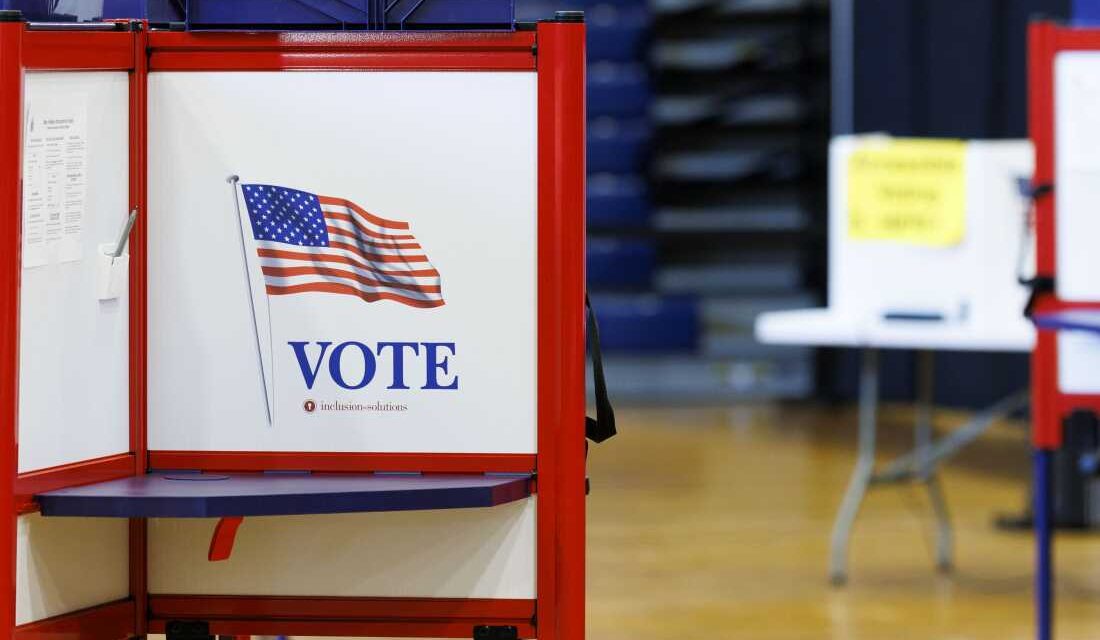
A recent ruling by a federal judge has declared unlawful a Trump administration initiative aimed at using aggregated personal data to verify voter eligibility. The tool, known as SAVE, has undergone modifications prompting concerns over privacy and misidentification.
Several states have processed their voter lists through SAVE, initially revamped by the Trump administration last year. However, the system mistakenly flagged many American citizens as noncitizens, particularly those born outside the United States.
“All in all, the federal government has knowingly trampled on the privacy rights of American citizens in a manner that threatens the sacred right to vote,” U.S. District Court Judge Sparkle Sooknanan stated in her ruling.
NPR reported the government’s significant expansion of SAVE to assess the citizenship status of citizens without following mandated procedures related to privacy notifications. SAVE, managed by U.S. Citizenship and Immigration Services (USCIS), was traditionally used by governmental bodies on an individual basis to review eligibility for benefits. Recent changes allowed bulk data checks, adding American-born citizen records to the system for the first time.
Sooknanan criticized the overhaul, noting that federal agencies “haphazardly combined and repurposed the private information of millions of Americans, including citizenship data that they knew to be unreliable.” Under her directive, the revised SAVE tool cannot be employed at present, potentially affecting plans central to the Trump administration’s voting agenda.
An executive order signed by Trump directed the Department of Homeland Security (DHS) to utilize SAVE checks and other federal data to form lists of eligible voters throughout the United States. Legal challenges are currently in progress to combat this. Meanwhile, an earlier mandate required DHS to offer free access to a citizenship verification tool for voters, parts of which were previously halted by court rulings.
Matthew Tragesser, a USCIS spokesperson, revealed that over 60 million voter records were evaluated via SAVE this year, with less than 1% flagged as potential noncitizens. Although Trump’s administration is focused on preventing noncitizen voting (already illegal under federal law), research and reviews indicate its rarity.
In response to NPR’s inquiries, the White House deferred comments to DHS, whose general counsel, James Percival, expressed frustration over the ruling in a social media post.
“It’s amazing how hard the Left will fight to stop us from solving problems they insist do not exist,” Percival stated, despite a typographical error in the judge’s name.
The contested SAVE expansion is under scrutiny for alleged violations of various federal laws, including privacy protections and administrative protocols.
Marcia Johnson from the League of Women Voters, among the plaintiffs, celebrated the judge’s decision, asserting it as a “resounding victory for voters.” Concerns persist that the effort to establish a federal voting database could lead to the unjust purging of voter rolls.
Amid ongoing litigation, DHS and the Social Security Administration retrospectively issued notices concerning SAVE changes last year, amid thousands of negative public comments without plan alterations.
Attorney Nikhel Sus, representing the plaintiffs, highlighted the disregard for public opinion regarding the overhaul. He emphasized the court’s alignment with public sentiment, deeming the SAVE system unlawful and unreliable without Congressional endorsement.
A notable case involves Anthony Nel, a South African-born American citizen wrongly flagged by SAVE in Texas as a potential noncitizen. Nel’s subsequent removal from voter rolls due to non-response to a verification request exemplifies the flawed process.
USCIS acknowledges certain foreign-born citizen categories remain unverifiable by SAVE, further underscoring systemic issues.
 The Trump Team’s Challenge to the Military Leadership
  Maryland First State to Restrict Electronic Pricing in Grocery Stores
 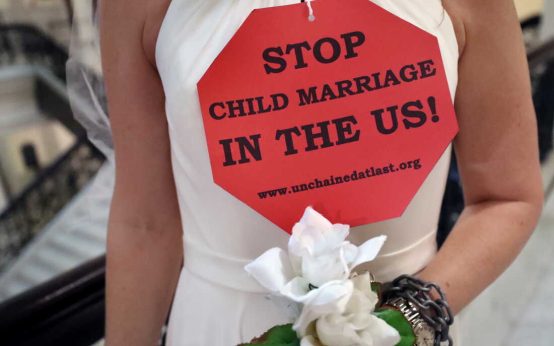 Activists Push for Nationwide Ban on Child Marriage in the U.S.
 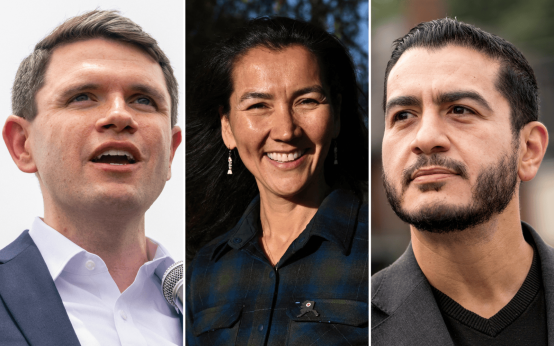 Democratic Hopes and Historical Warnings in 2026 Senate Race
  Republicans Face Challenges Amidst Cost of Living Concerns
  A Different Kind of Fall for Congress This Year