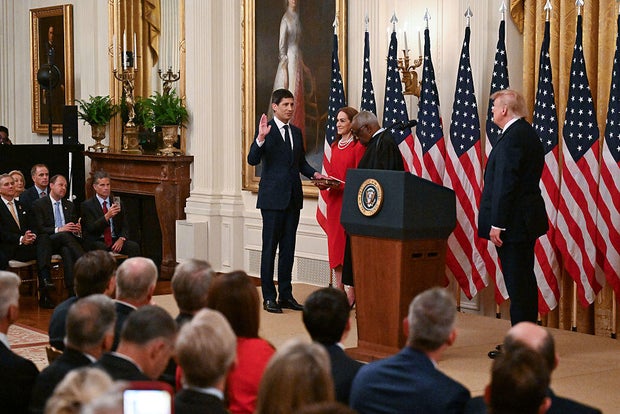
Kevin Warsh officially became the Federal Reserve chairman during a ceremony at the White House. He took over from Jerome Powell with an oath administered by Justice Clarence Thomas. Warsh promised to focus on price stability and maximum employment. He aims to lead a reform-oriented Federal Reserve, emphasizing learning from past experiences and upholding integrity.
President Trump introduced Warsh, emphasizing his independence. Trump encouraged Warsh to perform his duties without external influence. Warsh’s appointment was attended by Supreme Court justices, members of Congress, and business leaders. Trump expressed confidence in Warsh’s ability to be a great Federal Reserve chairman.
Trump has been vocal about wanting significant interest rate cuts, criticizing Powell for his cautious approach. Trump suggested economic growth should be prioritized while managing inflation. Over the past year, Trump has criticized Powell, leading to a Justice Department investigation into potential intimidation, which was later taken over by the Fed’s internal watchdog.
Warsh has committed to maintaining the Fed’s independence. He plans to work collaboratively with the Trump administration, potentially forming new agreements regarding the central bank’s balance sheet. It’s uncertain if Warsh will deliver on Trump’s expectations of rate cuts, as monetary policy decisions involve a committee comprising 12 top Fed officials.
The current economic situation presents challenges. Inflation remains above the Fed’s target, worsened by events like the Iranian conflict. Although employment figures are strong, some fear a weakening labor market. The Fed’s rate-setting committee is divided on rate adjustments, having recently voted to maintain stable rates.
Financial markets aren’t anticipating immediate interest rate cuts. Predictions suggest rates may remain stable or increase by the year’s end. Despite Warsh’s history of favoring tighter monetary policies, he supports lower rates now, influenced by potential positive impacts of artificial intelligence on inflation and productivity.
Randall Kroszner, who worked with Warsh previously, believes Warsh will resist short-term political pressures. He describes Warsh as a strategic thinker focused on consensus-building rather than unilateral decisions. Warsh intends to remain adaptable, considering new economic dynamics brought about by technology advancements.
 Maryland First State to Restrict Electronic Pricing in Grocery Stores
  Activists Push for Nationwide Ban on Child Marriage in the U.S.
  Democratic Hopes and Historical Warnings in 2026 Senate Race
  Republicans Face Challenges Amidst Cost of Living Concerns
 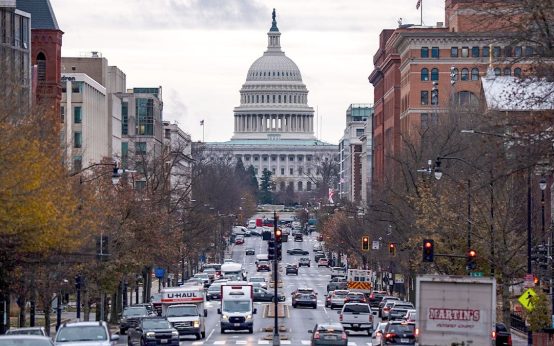 A Different Kind of Fall for Congress This Year
 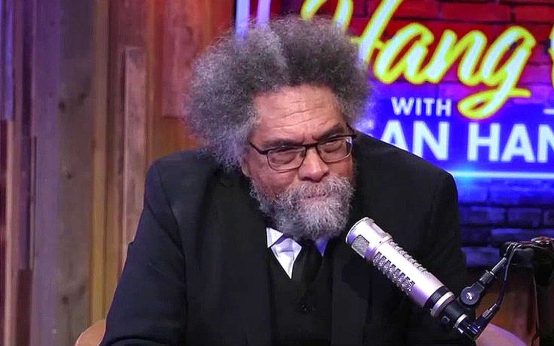 Cornel West and Sean Hannity Discuss Differences on Podcast