
As New Yorkers went to the polls on a busy Tuesday, various congressional primaries showcased significant political narratives, including the rise of democratic socialism, rivalries among A.I. interests, and the continued influence of political dynasties like the Kennedys. These stories have the potential to shape the future direction of the Democratic Party as the midterm primary season gains momentum.
Key Players and Races
One of the standout contests featured Mayor Zohran Mamdani, known for his progressive policies. He aimed to leverage his political influence to challenge Representatives Daniel Goldman and Adriano Espaillat, viewed by some on the left as too supportive of corporate interests and Israel. The departure of Representative Nydia Velázquez created another opportunity for change.
In the suburban areas north of the city, Democrats selected a nominee to challenge Representative Mike Lawler, a vulnerable Republican incumbent. Meanwhile, in Manhattan, a star-studded race unfolded with the grandson of John F. Kennedy competing against numerous opponents in a high-profile district that attracts substantial super PAC investments.
Early Voting Patterns
Polls in New York were open from 6 a.m. to 9 p.m. Early voting data indicated a smaller and older electorate compared to previous years, possibly affecting the chances of Mamdani’s favored candidates.
Maryland and Utah Primaries
In Maryland, significant super PAC spending supported the candidacy of Adrian Boafo in a packed Democratic primary. Another notable race included former Representative David Trone’s attempt to reclaim a seat he once endorsed, creating one of the most expensive House primaries in the country.
Utah experienced a redistricting that created a deep-blue congressional district in Salt Lake City. Ben McAdams, the moderate Democratic front-runner, faced challenges from progressive candidates including Nate Blouin, who had the endorsement of Senator Bernie Sanders.
The Evolving Political Landscape in New York City
The primary season in New York has exposed internal divisions within the progressive movement. Antonio Reynoso’s candidacy faced tension with Mamdani over a House seat previously held by Nydia Velázquez. Although attempts were made to reconcile differences, both parties remain firmly committed to their positions.
The contest in New York’s Seventh District represents an unusual left vs. lefter dynamic, raising issues about class and gentrification that typically remain unspoken among progressives.
Super PAC Spending and the Israel Debate
Several New York City congressional races were influenced by the American Israel Public Affairs Committee (AIPAC). Although AIPAC remained publicly quiet, accusations circulated that candidates opposing Mamdani’s preferred contenders were too aligned with pro-Israel lobbies.
Massive spending from super PACs, including funding from AIPAC and other interest groups, highlighted the role of money in these elections and challenged the candidates to address allegations of external influences.
Turnout Insights and Future Implications
Early voting trends showed a decline in younger voter participation compared to Mamdani’s previous successful campaign drive. This observed pattern may have repercussions for his endorsed candidates, who largely rely on younger electorate support.
District-specific analyses indicated varying levels of engagement, with some areas reflecting lower turnout against their historical norms. This has raised strategic questions about maintaining enthusiasm among younger, progressive voters who form a key constituency for left-leaning candidates.
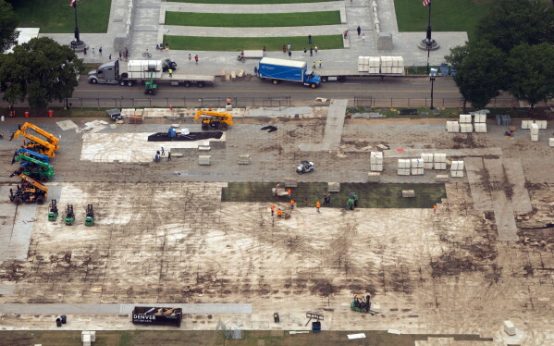 Trump’s Recent Military and Legal Actions
  Debbie Wasserman Schultz Faces Challenges in a Newly Drawn District
  Political Strategies and Medicare-for-All Debate
  Senate Set to Vote on College Sports Legislation
  Kushner’s Middle East Talks and Gaza Peace Plan
  First Lady’s Reduced Public Engagements Raise Questions