
Abdul El-Sayed has recently gained the spotlight as Michigan’s Democratic Senate nominee. In response, his Republican rival, Mike Rogers, has criticized him heavily. Rogers labeled El-Sayed as an ‘ideological fanatic,’ targeting his views on crime, terrorism, and tax policies. Interestingly, Rogers chose not to address one of El-Sayed’s significant policy positions – his support for Medicare-for-all.
This healthcare proposal advocates for a system where the federal government predominantly provides health insurance. By backing such a plan, El-Sayed aligns with candidates like Bernie Sanders, who have previously promoted similar healthcare reforms. Medicare-for-all remains a contentious issue, sparking debates on its implications for the current health insurance landscape.
The proposal has its supporters and critics. Advocates argue it would simplify healthcare access and reduce costs for individuals. Opponents, however, raise concerns about the economic impact and choose it as a focal point in political strategies.
El-Sayed’s endorsement of Medicare-for-all suggests a vision for comprehensive healthcare reform. Yet, it also offers his opponents an opportunity to challenge his approach to health policy. As the election approaches, these healthcare debates promise to influence voter perceptions and strategies of political campaigns.
 Grudges and Forgiveness: The Impact on Mental Health
  Brazil’s Presidential Race Heads to Runoff
 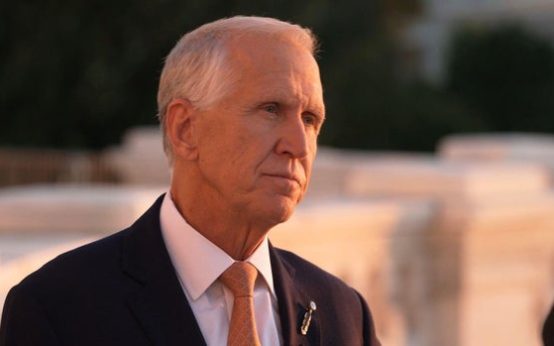 Sen. Thom Tillis Criticizes Trump’s Administration in New Book
 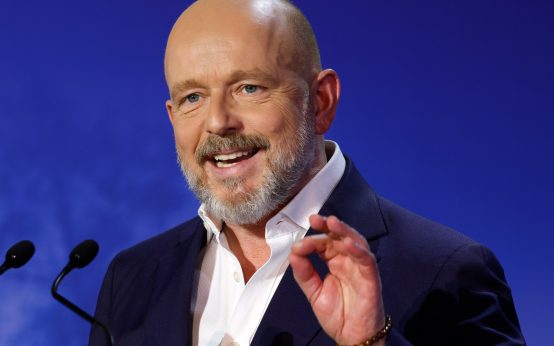 Controversy Surrounds Steve Hilton’s Campaign Ad Amid Gubernatorial Race
 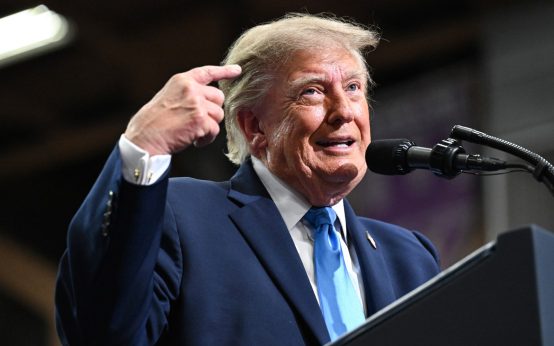 Trump Calls for Probe into Alleged ‘Paid Protesters’
  Donald Trump Criticizes Fox News for Rally Coverage