When younger millennials and older Gen-Zs expressed concerns about affording homes, some boomers retorted with advice to skip avocado toast. This analogy drew eye-rolls, especially as house prices nearly doubled from 2015 to 2025. During that time, a $175,000 starter home with an $835 monthly mortgage jumped to a $350,000 house with a $2,259 payment monthly.
In education policy, a similar misconception exists around school choice programs, often accused of straining state budgets. ProPublica claimed Arizona’s choice program was destabilizing the state’s finances. However, data tells a different story: most school choice states allocate around 0.7 percent of their total expenditure to these programs, increasing to only 1.3 percent in states with universal choice. Choice programs are far from the financial burdens they’re portrayed to be.
If these programs were truly causing financial distress, they would require substantial and rapidly increasing funding, entirely as costs to the state without offering savings—which is not the case. Arizona, with the largest choice program per capita, spent $882 million on choice, constituting about 8 percent of K-12 spending. This is merely 5.4 percent of state general fund expenditure and just over 1 percent of total public service spending, including federal contributions.
With 1.1 million students in K-12 public schools in 2025 and 85,000 in choice programs, Arizona’s choice initiative educated 7.6 percent of students at a cost of only 5.5 percent of relevant taxpayer funding. The program saves money rather than creating additional expenses.
Bloated budgets can be attributed rather to rising K-12 public school spending. From 2015 to 2025, per pupil spending increased by 31 percent, from around $13,000 to $19,000, even when adjusted for inflation, accounting for a 7 percent rise.
Despite a decline in student numbers, schools increased staffing across non-teaching roles. The Phoenix Elementary School District, for example, saw a 39 percent student drop yet a 5 percent staff rise. Similarly, Denver Public Schools and Chicago Public Schools increased staff despite student losses.
Critics often unfairly blame school choice for inefficiencies in public schools. Yet, like blaming avocado toast for housing struggles, attributing budget issues to choice programs confuses the real cause.
Dr. Michael McShane, Director of National Research at EdChoice, advocates understanding the genuine impact of school choice in empowering families through informed decisions about education.
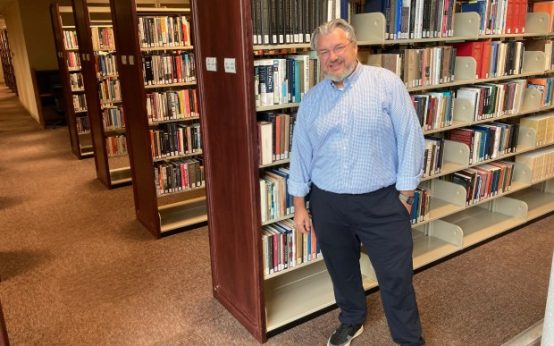 Troy Swanson: Award-Winning Librarian Transforming Academic Libraries
 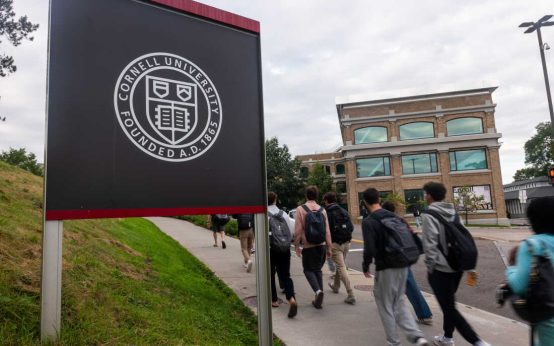 Cornell University to Investigate Handling of Alleged Assault Case
  Legal Challenge Against School Funding Inequalities in West Virginia
  Potential Changes Loom for School Voucher Programs
  Regents Exam Elimination Raises Concerns Over Student and School Accountability
  Education Funding Disparities in West Virginia