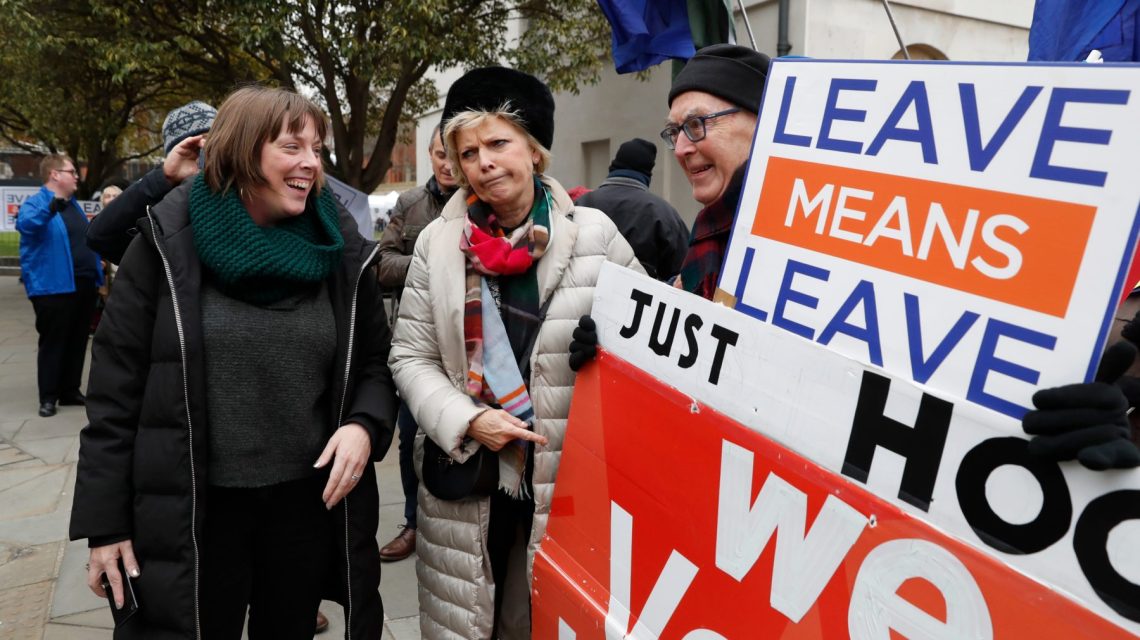
The Brexit decision significantly impacted the European Union and disrupted British politics. On June 23, 2016, the United Kingdom voted 52% to 48% to leave the EU after over forty years of membership. This decision triggered a chain of political leadership changes, with the seventh prime minister now set to take office.
Conservative Prime Minister David Cameron called for the referendum, yet campaigned to remain in the EU. He resigned immediately after the vote. Successive leaders have faced the challenging aftermath of Brexit. Most recently, Labour Prime Minister Keir Starmer announced his resignation, citing economic struggles, government failures, and a divided electorate. These are viewed as Brexit’s enduring impacts.
The Persistent Brexit Influence
Although headlines now seldom feature Brexit, it remains a crucial influence in Britain’s politics. Academic Chris Grey noted the ongoing influence of Brexit in the political landscape. Brexit campaigners had promised restored autonomy over laws, economy, and borders. The ‘remain’ side focused on the potential economic downsides of leaving the EU.
We can see the sunlit meadows beyond. I believe we would be mad not to take this once-in-a-lifetime chance to walk through that door,noted Boris Johnson, a leading Brexit advocate.
Former University of Toronto professor Margaret MacMillan highlighted the nostalgia driving Brexit, ignoring the intricacies and consequences.
Broken Promises and Unmet Expectations
The ideal benefits of Brexit, like stronger control over borders and favorable trade deals, clashed with reality. The UK formally left the EU on January 31, 2020, with complex negotiations causing delays. Prime Minister Theresa May resigned in 2019, unable to find acceptable terms.
Boris Johnson, who replaced May, brokered a basic trade deal amid rising scandals and eventually left office in 2022. His successor, Liz Truss, and then Rishi Sunak, approached EU relations with varying success but without reimagining Brexit.
Lasting Political Divisions
The referendum intended to resolve disputes within the Conservative Party, but it led to new challenges. Conservatives with softer Brexit stances were sidelined. Labour, often more pro-EU, also experienced internal disagreements regarding future EU relations.
This ongoing division shifted voter support to alternate parties, including the Green Party and Nigel Farage’s Reform UK. Farage maintained a focus on immigration, effectively capturing public sentiment.
Economic Challenges and Social Unrest
Economic difficulties arose, involving both Brexit and global incidents like the COVID-19 pandemic and regional conflicts. Politicians, according to Hannah White from the Institute for Government, have not adequately communicated the constraints and challenges of governance, contributing to public discontent.
Brexit did not settle debates on immigration, and political trust dwindled. Recent incidents showed rising street violence linked to immigration rhetoric, further eroding Britain’s historical restraint in political discourse.
Reflecting on Brexit
Current opinions display some regret over the Brexit decision. Ipsos surveys show a shift toward rejoining the EU, with public opinion varying on this complex issue.
Large-scale protests of the past have given way to smaller gatherings, hinting at a desire among citizens to move forward, although Brexit remains a contentious topic.
Rejoining the EU would pose challenges, but until leaders address Brexit’s legacies, Britain’s political landscape may remain unsettled. Chris Grey likened this situation to a chronic ailment, uncurable without confronting its underlying causes.
 The Trump Team’s Challenge to the Military Leadership
  Maryland First State to Restrict Electronic Pricing in Grocery Stores
  Activists Push for Nationwide Ban on Child Marriage in the U.S.
  Democratic Hopes and Historical Warnings in 2026 Senate Race
  Republicans Face Challenges Amidst Cost of Living Concerns
  A Different Kind of Fall for Congress This Year