
The Supreme Court supported the Trump administration in a significant immigration case concerning the government’s power over green card holders accused of crimes. In a 6-3 decision, the case focused on a 2012 incident involving Muk Choi Lau, a lawful permanent resident. Immigration officers placed Lau on immigration parole upon his return from China, following accusations of counterfeiting.
Lau contended that the officers exceeded their authority. He argued the decision improperly permitted the Department of Homeland Security, during President Barack Obama’s term, to initiate deportation proceedings swiftly after he admitted to selling counterfeit clothes in New Jersey. However, the high court did not agree with his argument.
Justice Clarence Thomas, writing the majority opinion, stated, “Border officers did not have the burden to establish by clear and convincing evidence that Lau had committed a crime involving moral turpitude.” Justice Ketanji Brown Jackson expressed dissent, claiming that placing Lau on immigration parole left him in “immigration limbo” before any conviction. She warned that the decision grants the government unchecked authority, with her dissent supported by two other liberal justices.
The liberal group Alliance for Justice voiced similar concerns, suggesting the ruling could broaden grounds for revoking green cards. Conversely, Advancing American Freedom, an organization founded by former Vice President Mike Pence, praised the ruling as pivotal for removing those who misuse their lawful permanent resident status.
This ruling comes amid the Supreme Court’s examination of several immigration issues. This includes the Trump administration’s efforts to end birthright citizenship, potentially revive a more restrictive asylum policy, and terminate temporary legal protections for migrants escaping conflict and natural disasters. The administration maintained that merely suspecting a crime suffices to place a green card holder on immigration parole, urging the court to interpret executive immigration authority broadly.
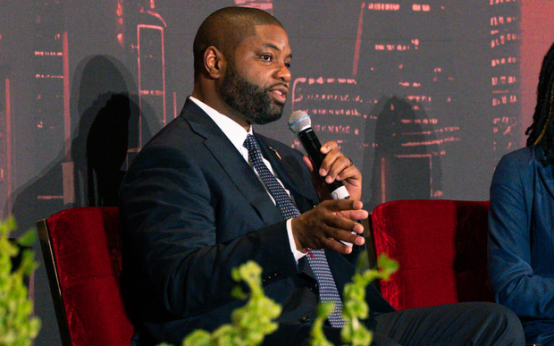 Byron Donalds Targets Black Voters in Florida Governor Race
  Heroic Passengers Prevent Catastrophe on Flight 1073
 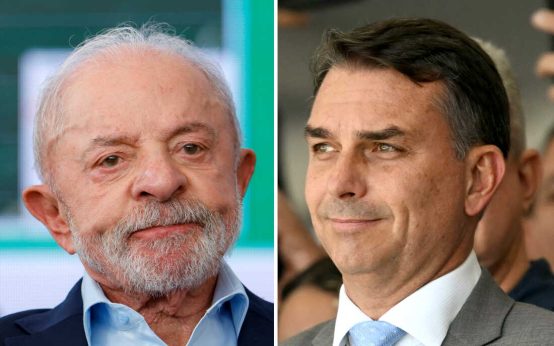 Brazil’s Presidential Race Heads to Runoff
 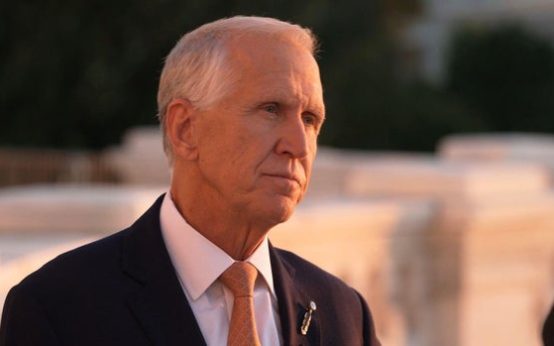 Sen. Thom Tillis Criticizes Trump’s Administration in New Book
 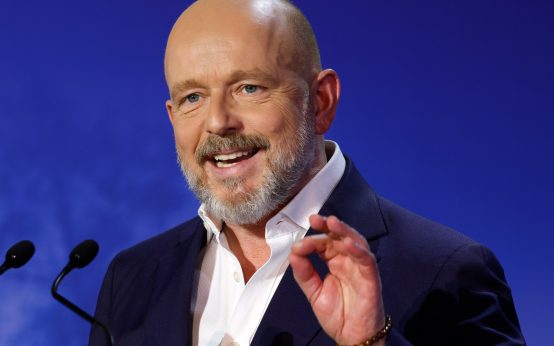 Controversy Surrounds Steve Hilton’s Campaign Ad Amid Gubernatorial Race
  Trump Calls for Probe into Alleged ‘Paid Protesters’