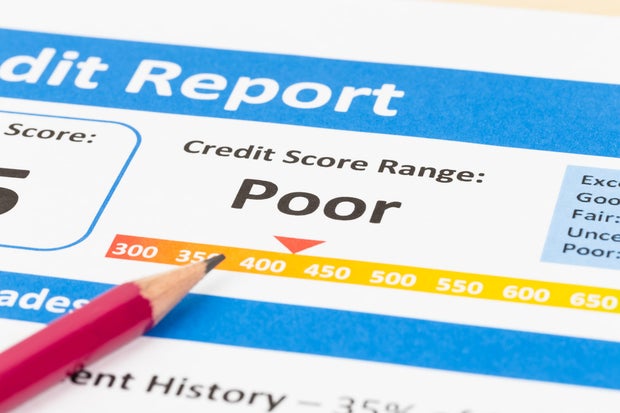
Borrowers currently face significant credit card debt, driven by today’s economic pressures. Inflation has played a key role, with credit card debt rising by $21 billion in the second quarter of 2026. Although delinquency rates have marginally improved, many borrowers still contend with overdue accounts and the resulting credit implications.
Lenders Keeping Charged-Off Accounts Longer
Recent research from the New York Fed indicates that lenders now keep charged-off accounts on credit reports longer than before. This means that borrowers may still see accounts from years ago in their credit histories. Additionally, these old debts may vanish and then unexpectedly reappear.
Can Old Debt Be Re-Added to Your Credit Report?
Under specific conditions, old debt can be added or re-added to your credit report. The Fair Credit Reporting Act (FCRA) generally allows most negative information to remain on your credit report for seven years. For collection accounts and charge-offs, the period is tied to the initial delinquency leading to the charge-off or collection.
It’s important to note that debts can be transferred among different collectors, complicating tracking. A new debt collector may report the debt within the time limit, adhering to reporting standards. However, they cannot reset the reporting timeline by altering the original delinquency date. Procedures exist to prevent this “re-aging” of debts.
If a collection account becomes delinquent and ages off your credit reports, a new debt buyer cannot update it to appear recent and reset the reporting period.
Credit-Reporting Limits vs. Statute of Limitations
The credit-reporting time limit differs from the statute of limitations, which governs how long a collector can sue you over a debt. This varies by state and debt type. A debt may be too old for credit reporting yet present different collection issues.
Be careful before paying an old debt, as acknowledging it or making a partial payment might restart the statute of limitations in some states. Ensure you understand your state’s laws before proceeding.
Handling Old Debt That Reappears
If you find old debt on your credit report, start by verifying its accuracy. Check details like the date of first delinquency, balance, creditor or collector name, and status. Compare reports from the three major credit bureaus since reporting isn’t mandatory for all.
If the debt is old enough to be illegitimate or has errors, you can dispute it. File disputes with both the credit bureau and the information source. They must then investigate and rectify mistakes as necessary.
If the debt is valid, consider how to manage it. For smaller, manageable debts, negotiate with the collector to possibly settle for less. Larger issues involving multiple debts might require exploring debt relief options like management plans, consolidation, or settlement programs.
Verify any unfamiliar old collection account before making a payment. Confirm ownership, correct balances and dates, and understand the legal implications of payment.
Conclusion
Old debt on your credit report doesn’t always signal a problem. If it’s within the reporting period, it may legitimately appear even if previously absent. However, debt collectors can’t extend this period by purchasing the account or falsely updating the delinquency date. If such a debt re-emerges, scrutinize the dates and dispute inaccuracies. For valid debts, especially with multiple balances, consider negotiating or employing a comprehensive debt relief approach.