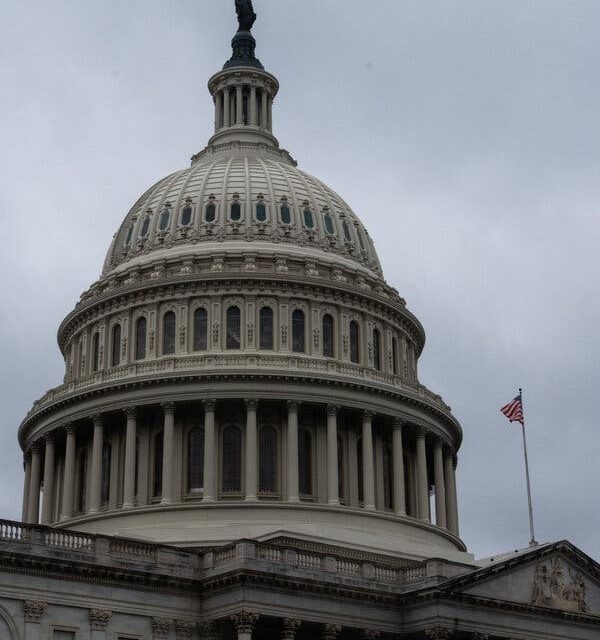
The Senate has passed a resolution urging President Trump to cease military operations in Iran or obtain congressional consent. The move, gaining support from both parties, signifies the strongest bipartisan opposition to the conflict thus far.
This resolution does not possess legal authority to enforce immediate policy change. However, the 50-to-48 vote, where four Republican senators joined Democrats, highlights a significant departure from the president by a Congress that is typically aligned with him on national security issues.
Currently, some Republicans are voicing concern about the cease-fire agreement President Trump reached with Iran after nearly five months of conflict. The resolution signals growing impatience among Republicans about relying solely on the president’s judgment, as negotiations remain uncertain and Trump has hinted at further military actions.
The vote reflects internal party conflict over the war, particularly as midterm elections approach and control of Congress hangs in the balance. Public opinion polls indicate the conflict’s unpopularity, with some Republicans worried about the economic impact, unclear goals, and risk of wider regional conflict.
This marks the first instance since the 1973 War Powers Resolution that Congress has jointly directed a president to end a military action. Earlier, the House approved the resolution despite Republican leaders’ failed efforts to remain unified in opposition.
In the Senate, Senator John Fetterman of Pennsylvania was the only Democrat opposing the measure, while Republicans Rand Paul, Lisa Murkowski, Susan Collins, and Bill Cassidy supported it. Their decision, coupled with the absence of two Republicans who usually oppose such measures, enabled the resolution to pass. Among the absent was Senate minority leader Mitch McConnell, hospitalized at the time.
The War Powers Resolution originated from Congress’s struggle with President Nixon over the Vietnam War as lawmakers sought to reclaim authority over military decisions.
 Trump’s Approval Rating Struggles Ahead of Midterms
  Texas Senate Nominee Faces Criticism Over Use of Christian Morals
  Record Number of Native Candidates in Elections
  Unexpected Senate Race Challenges in New Hampshire
  Debate Over Judicial Influence in Trump Administration Attorney Appointments
  Former U.S. Representative David Rivera Sentenced for Secret Lobbying