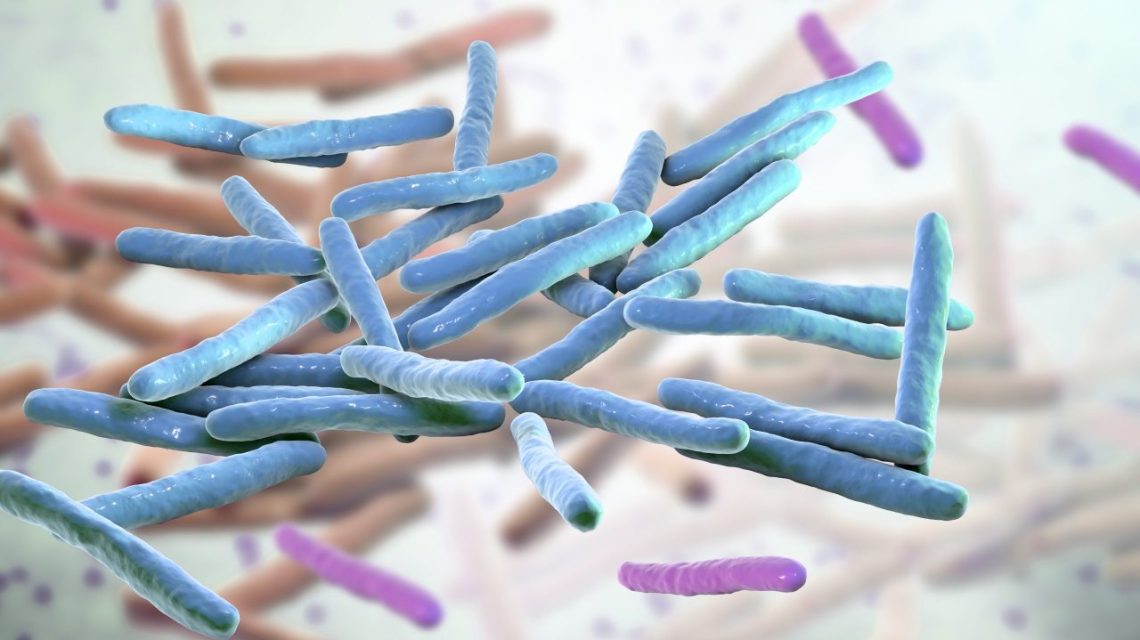
The number of leprosy cases in Florida is increasing, with health officials linking many of these cases to contact with a specific animal. By July 23, the Florida Department of Health recorded 17 cases statewide, with 81% occurring in Central Florida, according to NewsNation affiliate WFLA. The highest concentrations are reported in Volusia, Brevard, Lake, Orange, and Seminole counties. Last year, the state reported 36 cases, the highest since records began in 1992. Of these, at least 26 were contracted in Florida, one was contracted out of state, and two were from outside the country. The origin of the remaining seven cases is unknown.
Understanding Leprosy
Leprosy, also known as Hansen disease, is a chronic infectious disease caused by the slowly growing bacterium mycobacterium leprae. Symptoms can take up to 20 years to appear after initial contact. Symptoms include skin lesions, lumps, and ulcers, along with the loss of eyebrows and eyelashes. It may also affect peripheral nerves, leading to a loss of touch and pain sensations, increasing the likelihood of injuries such as cuts and burns.
While once considered highly contagious, the Centers for Disease Control and Prevention (CDC) states that leprosy is not easily transmitted between humans. Significant, prolonged contact with an infected person’s saliva or mucus is generally required for transmission. Furthermore, around 95% of the population has a natural immunity to leprosy.
Leprosy is rare in the United States, with about 225 cases annually. Globally, there are roughly 250,000 cases, and most American cases arise from travel abroad.
Transmission in Florida
The increase in leprosy cases in Florida may be linked to nine-banded armadillos, which naturally carry mycobacterium leprae. These animals are common in Mexico, the southern U.S., and are plentiful in Central and Northern Florida. Armadillos are considered invasive pests that damage landscapes by foraging and burrowing.
Exposure to the bacteria can occur by touching or holding armadillos or interacting with soil near their burrows, which can be contaminated by bacteria from their droppings or bodily fluids.
Treatment and Prevention
Leprosy can be effectively treated if detected early. Treatment involves multi-drug therapy with a combination of antibiotics, and once treatment starts, the patient is no longer considered infectious. The duration of treatment varies from one to two years depending on the type of leprosy.
The CDC recommends several precautions to reduce the risk of exposure:
- Avoid physical contact with armadillos.
- Do not hunt or eat armadillos.
- Use repellents or traps in yards to minimize exposure risks.
- Wear gloves and long sleeves when working in areas where armadillos dig.
- Thoroughly wash hands with soap and water after outdoor activities.
- If no soap and water are available, use an alcohol-based hand sanitizer.
 Increased Funding Needed for Psychiatric Hospitals
  Trump Administration Distributes ACA Refund Checks
  Higher Consumption of Ultra-Processed Foods Linked to Increased Health Risks
  Understanding Inflammation: Myths and Facts
  Calm Parenting: Strategies to Manage Stress
  Trump’s Executive Order to Combat Mosquitoes and Ticks in D.C.