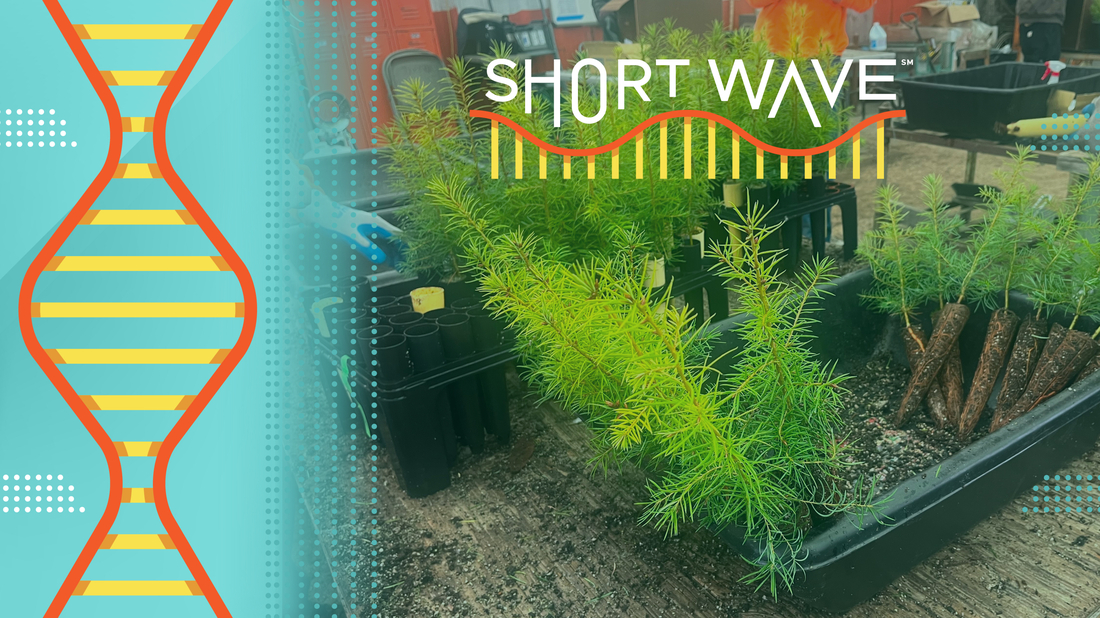
Forests play a vital role in maintaining the ecological balance on Earth. They absorb carbon dioxide, produce oxygen, and regulate the climate. They also manage rainwater to reduce flooding risks and provide habitats for countless plant and animal species. Additionally, they influence weather patterns. Despite these crucial roles, forests face numerous threats such as land conversion for agriculture, road construction, timber harvesting, and increasing wildfires. These threats make reforestation—a process of replanting new forests—crucial for environmental preservation.
Over the past century, the United States Forest Service (USFS) has been at the forefront of reforestation efforts. However, the looming threat of climate change necessitates new strategies to ensure the resilience of forests. Traditionally, tree scientists would replant forests using seeds sourced from the local area. As Lisa Winn, former silviculturist and manager at the USFS’s Dorena Genetic Resource Center, notes, “seeds have learned to adapt to their local situation.” But with shifting climate conditions, the suitability of these seeds for their original locations comes into question.
Adapting to Climate Change
The evolving climate presents challenges like increased dryness or humidity, heatwaves, and severe droughts. This unpredictability poses significant risks for seedlings. To combat this, the USFS initiated ENAMES (Experimental Network for Assisted Migration and Establishment Silviculture). This project leverages a database named the Seedlot Selection Tool, which predicts future climate conditions of forest areas using established models. These models assess future temperatures, precipitation levels, and seasonal changes.
Foresters utilize these predictions to plant a mix of seeds that represent past, current, and anticipated future climates. The species include incense cedar, Jeffrey pine, Ponderosa pine, sugar pine, and western larch, planted across Oregon and Washington. As USFS researcher and ENAMES lead Rob Slesak explains, “You’re generally moving it from a climate that it was historically adapted to, that it evolved under, and then you’re moving it to a climate that you think is going to exist in the future at a given location.”
Promising Developments
ENAMES is in early stages, yet the outlook is promising. The USFS has a history of similar initiatives, such as the Douglas-fir Heredity Study, ongoing since 1912. Some trees from this original project still thrive today, indicating potential longevity for ENAMES trees. If successful, these trees might flourish well into the next century, contributing to sustainable forestry efforts.
To explore more on reforestation projects and climate adaptation, listen to the Short Wave podcast available on Spotify and Apple Podcasts. Short Wave episodes are sponsor-free, providing enriching content to subscribers who support NPR through Short Wave+ at plus.npr.org/shortwave. This episode was produced by Jessica Yung, edited by Rebecca Ramirez, with Tyler Jones verifying facts and Jimmy Keeley managing audio engineering.
 Atlantic Ends September Without a Hurricane for First Time Since 1994
  Bobcat Sightings and Conservation Efforts in Illinois
 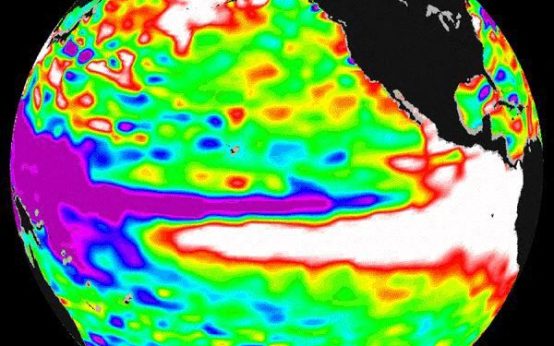 2026 El Niño: A Historical Comparison and Future Projections
  U.S. Records Warmest September in History
 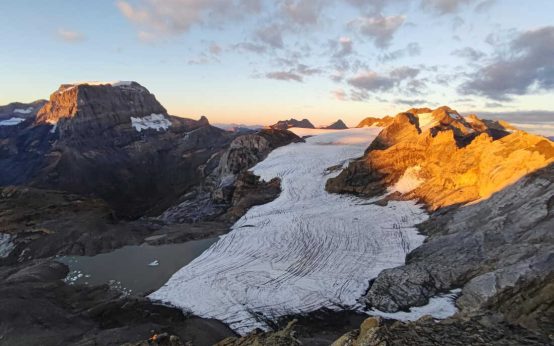 Swiss Glaciers Show Effects of Ice Loss Amid Global Warming
  Climate-Resistant Rock Glaciers: Hidden Water Resources