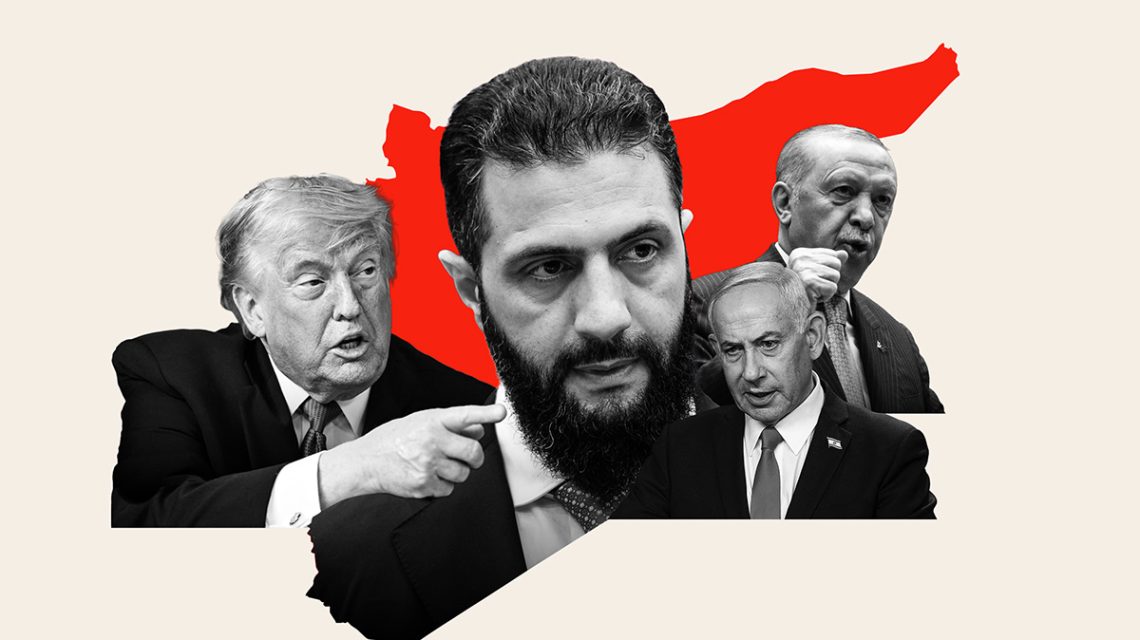
The United States and Iran have reached a tense ceasefire, leaving President Ahmad al-Sharaa of Syria in a delicate spot. Syria, after years of civil war, has focused on rebuilding under Sharaa’s leadership following the ousting of the Iran-aligned President Bashar al-Assad. Now, external pressures are mounting.
President Donald Trump’s rhetoric and regional rivalries challenge Sharaa’s efforts. On one side, Israeli Prime Minister Benjamin Netanyahu is determined to undermine Sharaa, while Turkish President Recep Tayyip Erdogan has been a staunch supporter. On the other side, Trump has hinted at involving Syria in confronting Iran’s ally, Hezbollah, in Lebanon.
Syrian diplomat Bassam Barabandi expressed concern that Syrians have scant interest in Hezbollah, but warned against engaging in a conflict that poses significant risks. He emphasized Syria’s desire for stability, stating, “We want Lebanon to be stable. We need Syria to be stable. We have peace or disengagement with Israel, but that doesn’t mean we have to be military allies with one group against one group.”
Trump suggested Syria might conduct a precise attack on Hezbollah, praising Sharaa’s leadership. These comments reflect a shift in U.S. policy since Sharaa, a former militant, became allies with Trump. The suggestion has been met with caution by Sharaa, who proposes focusing on supporting Lebanon’s state institutions instead.
James Jeffrey, a former U.S. special representative to Syria, urged Syria to remain neutral, citing historical complexities and the risk of igniting a regional firestorm. He stressed that economic recovery needs to be Syria’s priority.
Conflict with Israel remains a challenge. Netanyahu has actively opposed Sharaa, with military campaigns against Syria continuing. Erdogan has warned that Israeli strikes threaten Turkey, complicating regional dynamics.
Nicholas Heras of the New Lines Institute noted that Sharaa’s balancing act might prove difficult. Maintaining U.S. support could limit Israeli aggression, but domestic forces pose challenges. The risk of Israeli operations could destabilize Sharaa’s regime, especially as elections loom.
Frederic Hof of Bard College highlighted Sharaa’s strategy to remain on Trump’s and Erdogan’s favorable sides, hoping for investment in Syria’s reconstruction. He acknowledged Netanyahu’s domestic political interest in unrest, risking Syrian stability.
The situation remains complex, with potential shifts threatening Syria’s current path of reconstruction and diplomatic engagement. Sharaa’s approach aims to avoid escalation, hoping for more stable international relations in the future.
 British Police Arrest Man Suspected of Terror Plot
 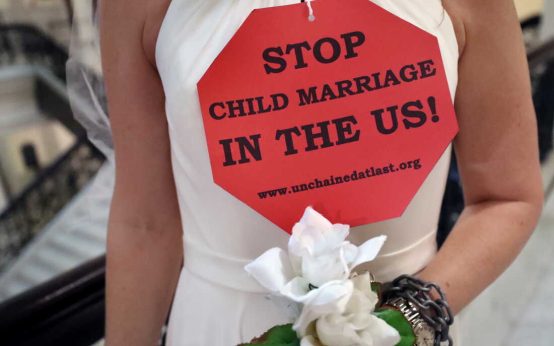 Activists Push for Nationwide Ban on Child Marriage in the U.S.
  Investigation into Alleged Incident at Cornell University
  Rising Drone Threats Highlight Vulnerabilities in Moldova’s Airspace Defense
  Bolivia Faces Security Test Amid Unrest
  Incident on FlyDubai Flight Raises Security Concerns