
Paul Kedrosky, a venture capitalist, discusses Americans’ skepticism toward artificial intelligence (AI) compared to global attitudes. Americans stand out for their negative perception of AI in a survey involving 24,000 adults across 30 countries. People in almost all other countries, regardless of economic status, have a more favorable view.
A.I. is typically embraced by citizens of wealthy, technologically advanced nations. Yet, Americans seem hesitant. This reluctance puzzles experts in the field. The technology sector claims that Americans’ anxiety is misplaced due to negative media influence and foreign misinformation. They insist that strategic messaging could transform public opinion, highlighting existing efforts by promoting AI in communities like Reddit and through speeches by industry leaders.
Despite these efforts, the shift toward AI optimism remains elusive. Kedrosky argues the issue is not merely about communication. If the apprehension were cultural or media-driven, there would be clear links to media consumption habits, educational attainment, or political divides. However, American pessimism transcends these boundaries, aligning instead with labor market structures.
On the global stage, analysis shows a pattern when AI sentiment is compared against income levels and labor market realities. Countries with lower income levels, such as Indonesia (76% positive), Thailand (77%), and Mexico (63%), exhibit optimism towards AI. Conversely, wealthier nations like the United States, the Netherlands, and Belgium display caution. Economic positioning heavily influences perceptions of AI.
In economies where informal work is common, AI is seen as a potential tool for economic advancement, offering opportunities previously reserved for those with education, financial resources, and formal employment. A small business owner in Mexico or a street vendor in Indonesia may have little to lose from AI-driven changes and much to potentially gain.
However, in affluent nations with structured employment markets, AI seems threatening. It poses risks to established job security, consistent earnings, and professional achievements. While AI can offer benefits theoretically, many fear it could disrupt stable socio-economic conditions.
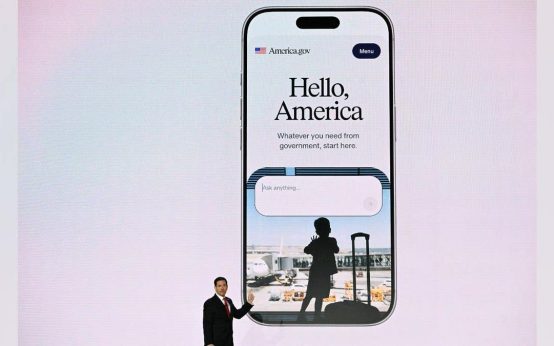 Trump Unveils AI-Powered America.gov Platform
  Trump’s 2024 Campaign Targets Young Men Through Cryptocurrency
  How Modern Windows Improve Home Insulation
  State Department Simplifies Passport Process with Online Applications
  Senate Democrats Block Data Center Bill Over Efficiency Concerns
  Future Cities: Ambitious Projects Aiming for Innovation and Sustainability