
On Wednesday, Venezuela experienced two major earthquakes that devastated many buildings and resulted in the death of at least 32 people and injuries to 700 others, exacerbating the country’s political and economic challenges. These twin earthquakes are reported to be the strongest the country has faced in over a century.
President Delcy Rodríguez announced the initial casualty figures but stated they did not include the region of La Guaira, where extensive destruction occurred. In Caracas, buildings trembled and collapsed, leading residents to flee into the streets. The capital faced power outages and service suspensions of the subway and trains, with some streets flooding due to ruptured water pipes.
Rodríguez declared a state of emergency and called on medical professionals to report to their positions. She announced that hotels and shelters were available for those displaced by the disaster and urged citizens to report missing persons.
Social media captured widespread scenes of devastation, including collapsed buildings in La Guaira. At Simón Bolívar International Airport, which serves Caracas, people sought refuge as structures shook violently. Rescue teams worked amid the debris, calling for silence as they searched for survivors.
The earthquakes struck in quick succession, with magnitudes of 7.2 and 7.5, according to U.S. monitoring agencies, with the stronger quake being unprecedented in intensity for Venezuela since 1900. The epicenter was near San Felipe, a city in Yaracuy, west of Caracas.
Structural Risks: Many residents live in vulnerable structures made from unreinforced brick masonry and adobe block construction.
International Aid: Several nations, including the United States, Dominican Republic, El Salvador, Mexico, and Qatar, pledged to send aid to Venezuela.
Regional Impacts: People in Curaçao felt tremors and have offered support, despite no significant damage reported there.
These earthquakes represent another challenge for a nation already dealing with considerable turmoil. Following the ousting of former leader Nicolás Maduro by U.S. forces, Venezuela’s oil industry has been significantly affected, drawing interest from U.S. investors.
Rodríguez stated that international rescue teams would arrive soon. Offers for specialized rescue and health personnel have been requested from neighboring countries. Additionally, notable aid offers came from Chef José Andrés and American Airlines, among others.
The aftermath included significant disruptions to Venezuela’s infrastructure. Domestic gas supplies in affected areas were cut off, water service was interrupted, and power outages occurred in Caracas and La Guaira. Transport services were ceased to facilitate rescue efforts.
Footage shared on social media depicts extensive damage, particularly in areas like the Baruta municipality where casualties have been reported. The State Department has ensured all U.S. personnel in Venezuela are accounted for and is coordinating aid efforts.
The Venezuelan community in South Florida is making efforts to contact relatives amid connectivity challenges. Calls to lift internet restrictions have been made to facilitate communication and relief efforts.
Community leaders in Doral are organizing aid drives. Photographs from the scene show the scale of damage, underscoring the severity of this disaster in Venezuela.
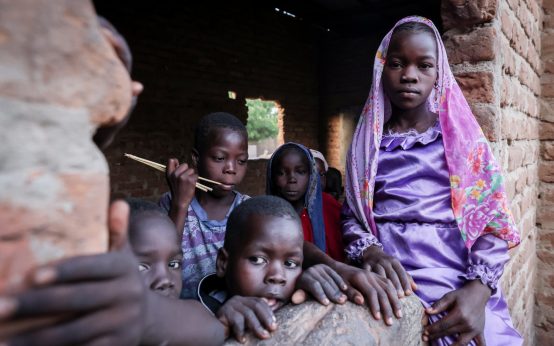 Urgent Need for Action in East Africa’s Food Crisis
 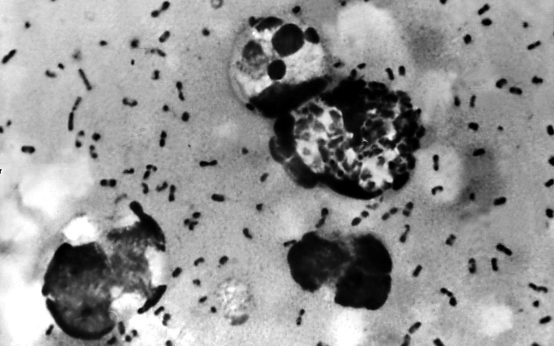 Suspected Plague Death in Siberia Sparks Health Measures
 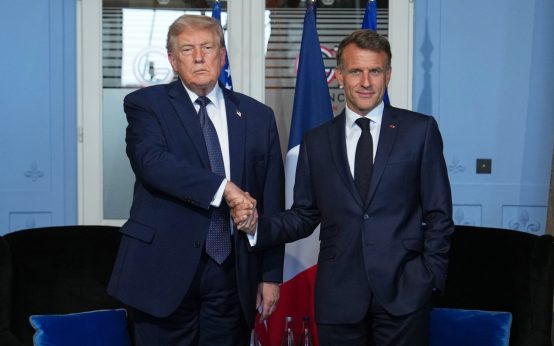 G7 Nations Agree to Release 100 Million Barrels of Oil Amid Fuel Price Surge
  Co-Pilot Attempts Hijack on Flight to Tel Aviv
 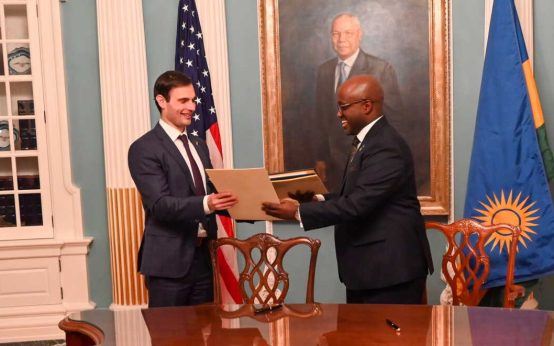 U.S. Revises Global Health Aid with New Strategy
  U.S. Warns Against Travel to Colombia’s Norte de Santander Due to Security Threats