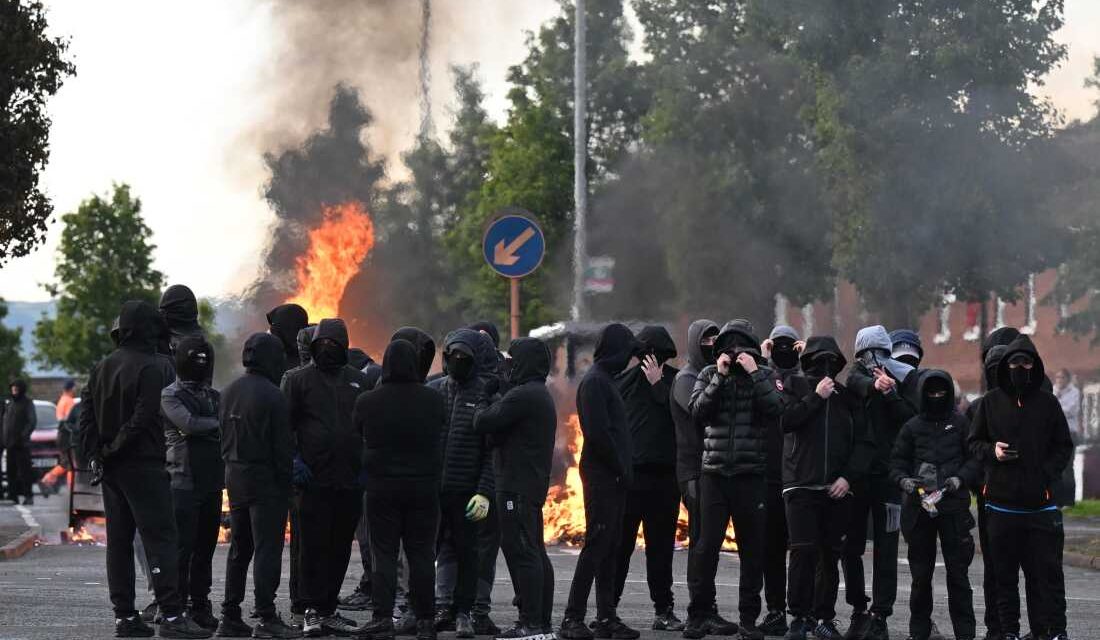
Youths gathered in front of a burning barricade on Duncairn Gardens on June 9 in Belfast, Northern Ireland. The violence forced many ethnic minorities from their homes and has caught the attention of experts in the U.S. studying violent extremism.
The unrest followed a stabbing incident involving Stephen Ogilvie, 44, on June 8. The attack, filmed and circulated widely on social media, was carried out by a Sudanese asylum seeker. Ogilvie survived but sustained serious injuries. The attacker faces charges for attempted murder.
These events led to protests where masked, anti-immigrant groups set vehicles and homes ablaze in minority neighborhoods. There are questions about how the protests organized so swiftly. There is speculation about the involvement of neo-Nazi youth groups known as “active clubs.” Michael Colborne, journalist and researcher at Bellingcat, commented on the situation, noting the model of political violence being embraced by young men.
Active clubs are groups with local organization but strong global ties through digital platforms. Their activities center around mixed martial arts, aimed at preparing for political violence, unlike mainstream fitness enthusiasts.
Reports from social media, including Wired, suggest that active clubs might have played a role in orchestrating the Belfast attacks. This claim remains uncertain. Experts familiar with Northern Ireland’s socio-political history suspect violence would have occurred even without active clubs’ influence.
“Unfortunately, the UK is somewhat of a tinderbox at the moment,” said Sid Venkataramakrishnan from the Institute for Strategic Dialogue. “Even without active clubs promoting this, violence in Belfast is likely,” according to him.
Neo-fascist groups like the Ulster Youth Club in Northern Ireland are scrutinized for potentially mobilizing individuals. Their Telegram channel advised street protestors on avoiding identification by recommending hats, gloves, and avoiding smartphones.
Following the unrest, a Substack account linked with active clubs praised the operational security tactics of rioters during the events. Participants allegedly searched and warned “opportunistic videographers” against recording criminal activity.
Observers are yet to find direct evidence of active club involvement despite the tactical guidance shared among far-right groups. The rapid mobilization in Belfast reflects longer-term developments within a society with a history of sectarian violence.
Anti-immigrant protests have become an annual occurrence in Northern Ireland during summer. Recent incidents elsewhere in the UK, including Southampton in 2024 and Ballymena in 2025, contributed to ethnic tensions and violence against minority communities.
Far-right figures in the UK and U.S. amplify these events to promote mass expulsion of non-whites. Social media networks, especially Facebook, serve as platforms for organizing anti-immigrant activity.
Sid Venkataramakrishnan highlighted the UK far right mechanism’s capability for rapid mobilization, both online and offline.
Experts express the need to understand the influence of people linked to former paramilitary groups from Northern Ireland’s troubled past. Some members of the anti-immigrant network identify as ex-Loyalist prisoners. Yet, the age discrepancy between paramilitary veterans and violent protesters suggests communication happens on private apps like Signal, WhatsApp, or Telegram, not public platforms.
A representative from The Accountability Project, monitoring these networks, observed public planning on Facebook for mobilization but suspects younger individuals used closed communication methods.
As investigations continue, answers on the connections between known social media networks and private communication channels are anticipated, along with understanding how these groups mobilize youth for street action.
 Heroic Passengers Prevent Catastrophe on Flight 1073
  Brazil’s Presidential Race Heads to Runoff
  Israeli Prime Minister Calls for Comprehensive Security Review of Civil Flights
 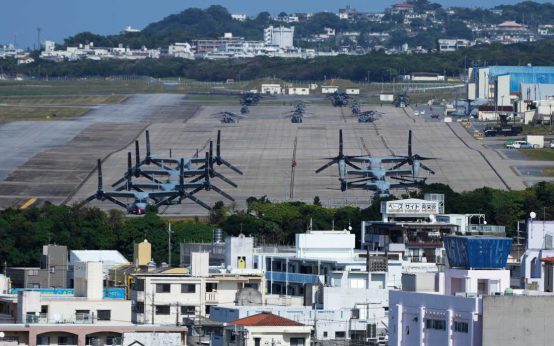 U.S. Marine Arrested in Okinawa for Alleged Murder and Robbery
 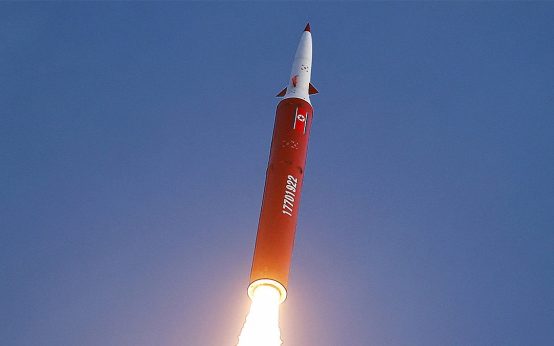 North Korea’s Missile Test and Its Implications
 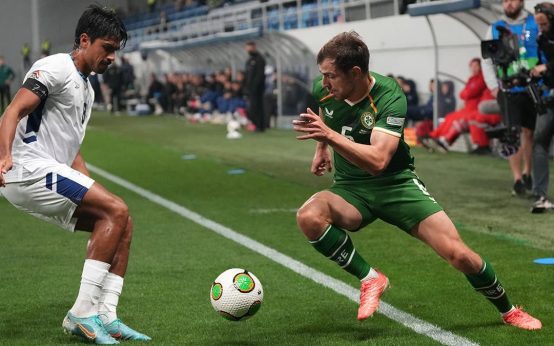 Israel and Ireland Soccer Teams Display Tension in Nations League Match