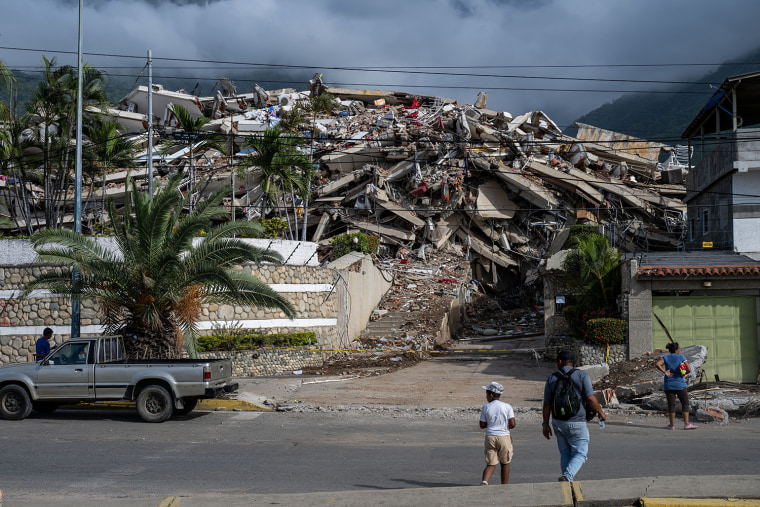
On July 1, 2026, the humanitarian response to Venezuela’s devastating twin earthquakes remained inadequate, according to the International Rescue Committee (IRC). The critical 72-hour survival window had passed, reducing the survival chances for the tens of thousands missing.
The IRC highlighted that the response does not match the immense humanitarian needs. Acting President Delcy Rodriguez reported that 1,943 people had died, thousands were injured, and 16,000 were homeless. Political opposition sources estimated around 43,000 people missing.
In La Guaira, a makeshift morgue processed the fast-increasing number of bodies. Andrea Montilla awaited her cousin and grandmother’s identification. Her 14-year-old cousin was found under an apartment building’s rubble, and her cousin’s mother remained missing.
An official at the morgue shared personal losses but could not provide an exact count of bodies handed over. Amidst the tragedy, a Jordanian team rescued a child, the only survivor found on the sixth day. The broader devastation was visible from space, with NASA estimating damage to 59,000 structures.
In Macuto, rescue operations ceased at a nine-story site after unsuccessful attempts to rescue a trapped family. Major Jorge Montanero, leading an Ecuadorian team, expressed the dimming hope. He and his team had cut through thick rubble but faced challenges due to the operating conditions.
Amid this bleak scenario, residents and relatives worked tirelessly to remove debris and find loved ones. Gianluca Rampolla, the United Nations’ coordinator in Venezuela, predicted the death toll would rise, noting efforts to procure 10,000 body bags.
The United Nations issued warnings about potential health crises and food shortages. The World Food Programme (WFP) sought $50 million to aid up to 500,000 people, providing food essentials to those displaced. They provided one month of food supplies to 1,200 people in La Guaira and established temporary feeding centers.
The World Health Organization cautioned about the strained healthcare system, with several centers heavily damaged or barely functioning. The earthquakes highlighted the urgent need for international assistance and effective crisis management.
 The Threat of Melting Glaciers: A Call to Action
 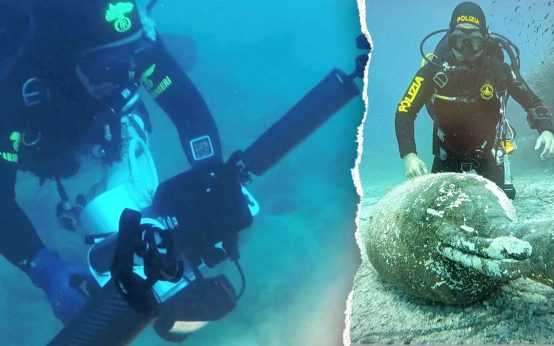 Police Discover Ancient Roman Artifacts Off Sardinian Coast
 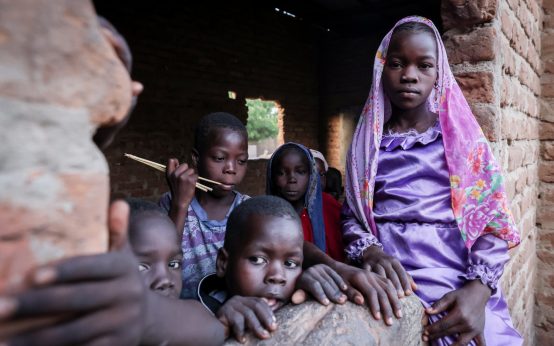 Urgent Need for Action in East Africa’s Food Crisis
 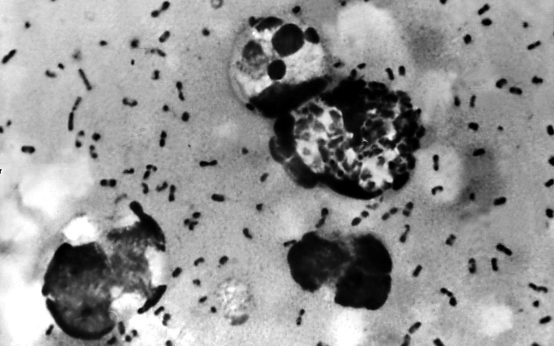 Suspected Plague Death in Siberia Sparks Health Measures
  G7 Nations Agree to Release 100 Million Barrels of Oil Amid Fuel Price Surge
  Co-Pilot Attempts Hijack on Flight to Tel Aviv