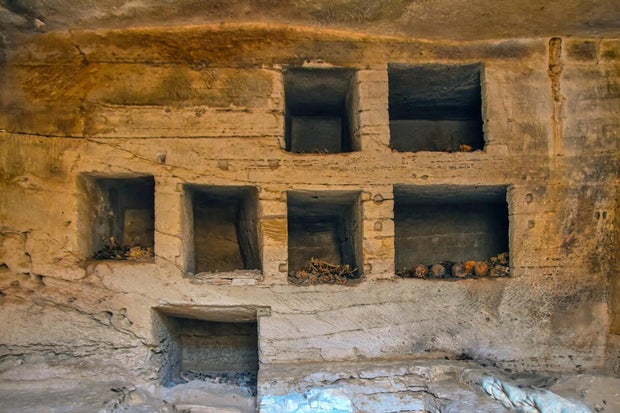
Excavations in Egypt have revealed significant archaeological discoveries that promise to invigorate the nation’s tourism sector, an industry increasingly reliant on historical sites. Researchers, working diligently at the Dakhla Oasis and the Marina el-Alamein archaeological site near Alexandria, have uncovered auspicious treasures of ancient civilizations.
Byzantine Era Findings
In the western desert’s Dakhla Oasis, archaeologists have unearthed a Byzantine-era residential city providing insights into fourth-century life when Egypt was part of the Byzantine Empire. The city layout features a network of intersecting streets, open squares, and public spaces, as explained by Hisham el-Leithy of the supreme council of antiquities.
A basilica church, dated to the mid-fourth century, presides over the settlement’s prominent streets. In addition, two watchtowers were discovered at the outskirts, confirming security measures of the time. According to Mahmoud Massoud, leader of the excavation team, formidable defensive structures were prevalent in the region.
Domestic Discoveries
The house of Tisous, identified as a church deacon’s abode, served initially as a house church before the basilica’s construction. Bread ovens, kitchens, and grinding tools found were used for food production. Bronze coins bearing Byzantine emperors’ portraits, gold coins from Roman Emperor Constantius II’s reign, and nearly 200 pottery fragments, known as ostraca, detailing various aspects of daily life were uncovered.
Ancient Cemetery Excavations
Meanwhile, at Marina el-Alamein, archaeologists have discovered 18 ancient tombs about 62 miles west of Alexandria. The finds include rock-cut tombs averaging a depth of 26 feet, alongside surface limestone-built tombs, increasing the total tombs found at the site to 48.
Artifacts and Funerary Traditions
Pottery vessels, amphorae, lamps, plates, and limestone basins were unearthed within the site. Eman Abdel-Khaliq, head of the mission, noted a granite sarcophagus with skeletal remains under study and a plaster sphinx statue nearby. Notably, some deceased bore gold pieces, known as “the golden tongue,” a funerary practice from the era.
The Marina el-Alamein site, a former Greco-Roman port city known as Leukaspis, thrived until a devastating fourth-century tsunami. Archaeologists propose that wealthy merchants engaged in wheat and olive trade once resided in grand villas here.
Impact on Egypt’s Tourism
Egypt’s tourism sector is gradually recovering after political upheaval and the coronavirus pandemic. In 2025, the country attracted a record 19 million tourists, a 21% increase from the previous year. Official figures showed 6.1 million tourists visited during the first four months of 2026, compared to 5.7 million in the same period in 2025.
 Investigation into Alleged Incident at Cornell University
 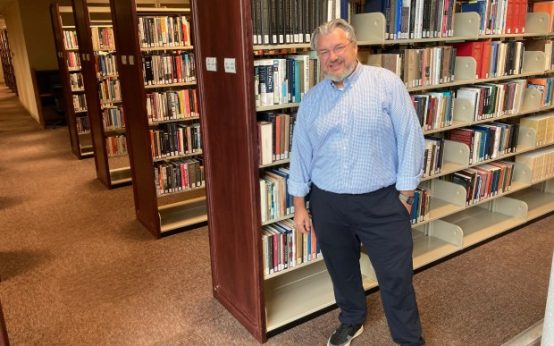 Troy Swanson: Award-Winning Librarian Transforming Academic Libraries
  Rising Drone Threats Highlight Vulnerabilities in Moldova’s Airspace Defense
  Lisdoonvarna Matchmaking Festival: A Unique Tradition
  Bolivia Faces Security Test Amid Unrest
 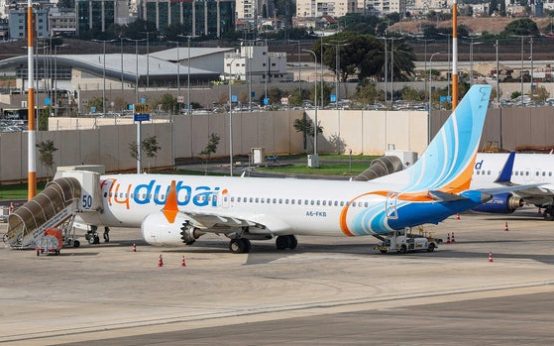 Incident on FlyDubai Flight Raises Security Concerns