
A persistent heat wave continues to affect the East Coast, Southeast, and Southwest, with officials reporting at least 25 fatalities linked to the extreme temperatures. According to the latest data, 40 million people are under heat alerts. The week has seen temperatures soar, with July Fourth marking at least 18 record highs in cities like Washington, D.C., Baltimore, and Raleigh. As celebrations persisted in Washington, D.C., visitors were seen shielding themselves from intense sun exposure.
By Sunday evening, heat index values were projected to reach between 100 to 105 degrees in areas such as Philadelphia, Washington, Baltimore, Raleigh, Charleston, and Jacksonville. These values indicate what the temperature feels like to the human body. However, relief is anticipated this week, with temperatures likely to dip to highs of 70s to low 90s along the East Coast.
Meanwhile, extreme heat watches are in effect for the Southwest, particularly in parts of Arizona and California, including cities like Phoenix and Tucson, from Tuesday to Thursday. Daytime highs in these areas could peak at a sweltering 114 degrees.
The heat wave has reportedly resulted in 25 deaths, with the majority occurring in New Jersey. The New Jersey Department of Health has reported 22 deaths across 10 counties. Additionally, two deaths have been confirmed in Hinds County, Mississippi, and one in Cook County, Illinois.
New York City health officials reveal that more than 378 people have sought emergency medical care for heat-related illnesses.
Summer Storms
Saturday’s weather events caused over 540 damaging wind gust reports across the central and eastern United States. Notable gusts included speeds of 92 mph in Norman, Oklahoma, and 87 mph in Suffolk County, New York. Sunday forecasts warned of scattered showers and thunderstorms, impacting an area where 25 million residents are under alert. Cities affected include Philadelphia, Washington, Baltimore, and Arlington. These storms hold the potential for damaging wind gusts exceeding 70 mph and quarter-sized hail, while tornado risks remain low.
Forecasts also indicated that thunderstorms could bring frequent lightning, posing possible travel disruptions at major airports in cities such as Dallas, Nashville, Chicago, and New York. Across the mid-Atlantic, 34 million people from Delaware to Connecticut are under flood alerts through Monday. Despite a reduced risk of severe weather, slow-moving storms with abundant moisture could lead to localized flash flooding. Rainfall rates may reach 2 inches per hour, particularly affecting urban areas like Philadelphia, New York, and Hartford.
Overall, these storms could deliver a total rainfall accumulation of 2 to 8 inches through Monday, increasing the risk of urban flash flooding in the affected regions.
 Atlantic Ends September Without a Hurricane for First Time Since 1994
  Bobcat Sightings and Conservation Efforts in Illinois
 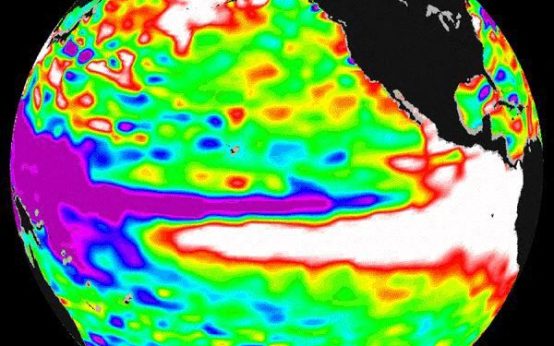 2026 El Niño: A Historical Comparison and Future Projections
  U.S. Records Warmest September in History
  Swiss Glaciers Show Effects of Ice Loss Amid Global Warming
  Climate-Resistant Rock Glaciers: Hidden Water Resources