In Indonesia, a movement seeks to halt a major German cement producer from initiating a mine and factory project. Utilizing a unique supply chain law, Indonesians challenge the plans citing potential environmental and social damages. Legal experts believe such cases could affect European businesses’ operations in Asia.
Concerns Over the Project
Heidelberg Materials, a leading cement company globally, faces criticism for not adequately assessing risks associated with its proposed limestone mine and cement factory. The site, located in Central Java’s Kendeng Mountains, encompasses a rare karst ecosystem. Critics fear environmental harm and disruption to Indigenous livelihoods.
“If the project is implemented, we face an ecological catastrophe, impoverishment, and violations of our human rights,” stated Bambang Sutikyo, a leading complainant.
Katharina Plonsker from Heidelberg Materials noted that community feedback was integrated into project planning. She mentioned that no decision on the project’s execution has been finalized.
Legal Approaches and Global Implications
Indonesia’s complaint to Germany’s Federal Office for Economic Affairs and Export Control is a pioneering use of the country’s supply chain law. This law requires companies to uphold human rights throughout their supply chains. Several other European Union countries are preparing similar regulations, inspired by Germany’s approach.
Complaints against European firms in Asia are mounting. Prominent examples include cases against Adidas and Shell in Cambodia, Pakistan, the Philippines, and other regions. Legal challenges connect to increased financial risks for European companies that operate in Asia with historically looser regulations.
Jameela Joy Reyes from the Grantham Research Institute emphasized the significance of cross-border harm in these cases, predicting more such occurrences in the future.
Environmental and Indigenous Rights
The complaint in Indonesia involves ten individuals supported by local and international non-profits. Allegations focus on Heidelberg’s insufficient risk assessment in a vital natural carbon sink. Local resistance against mining proposals in Kendeng prevails among communities like the Samin, an Indigenous agricultural group.
“Environmental destruction concerns us all as global citizens. We must protect our one Earth,” highlighted Gunretno, a Samin plaintiff.
Lawyer Syamsuddin Arief aims for the case to uphold citizens’ rights to a sustainable environment and secure the Kendeng Mountains’ future.
Trend of Litigation Over Climate Issues
Globally, the frequency of climate-related lawsuits is rising. In 2024 alone, according to the Grantham Research Institute, over 226 such cases emerged from nearly 3,000 monitored across countries.
Notably, Indonesians from Pari Island accused the Swiss company Holcim of emissions that endanger their livelihoods. Similarly, Typhoon survivors in the Philippines pursued Shell for aggravating disaster outcomes through emissions.
Farmers in Pakistan launched complaints against Heidelberg and German RWE over emissions linked to severe 2022 floods. Each of these cases adds context to broader discussions on reparations and the Global South’s resources utilized by corporations.
Policy Influence in Europe
Germany’s supply chain law reshapes strategies communities employ globally to challenge corporate conduct. Laurie Parsons from Royal Holloway highlights its impact on corporate and governmental perspectives.
As the European Union prepares to extend regulations by 2028, increased legal actions are anticipated. Annabell Brüggemann from the ECCHR underlines the Indonesian case’s contribution to advocating corporate accountability in an interconnected economy.
Associated Press writers Arielle Delgado from Bangkok and Sam McNeil in Brussels contributed to this report. The Associated Press’s climate and environmental reporting is financially backed by various private foundations.
 The Threat of Melting Glaciers: A Call to Action
 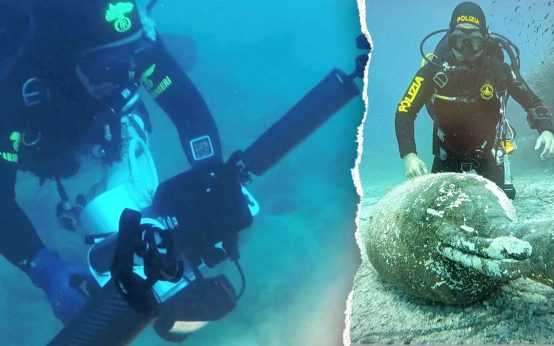 Police Discover Ancient Roman Artifacts Off Sardinian Coast
 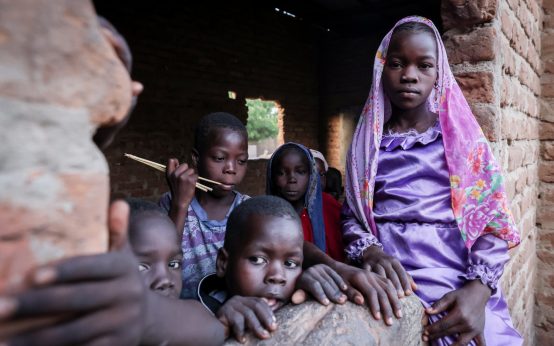 Urgent Need for Action in East Africa’s Food Crisis
  Collapse of Hawai’i’s Hōlei Sea Arch Amidst Storms
  Suspected Plague Death in Siberia Sparks Health Measures
  Los Angeles Faces Uncommon Heatwave in October