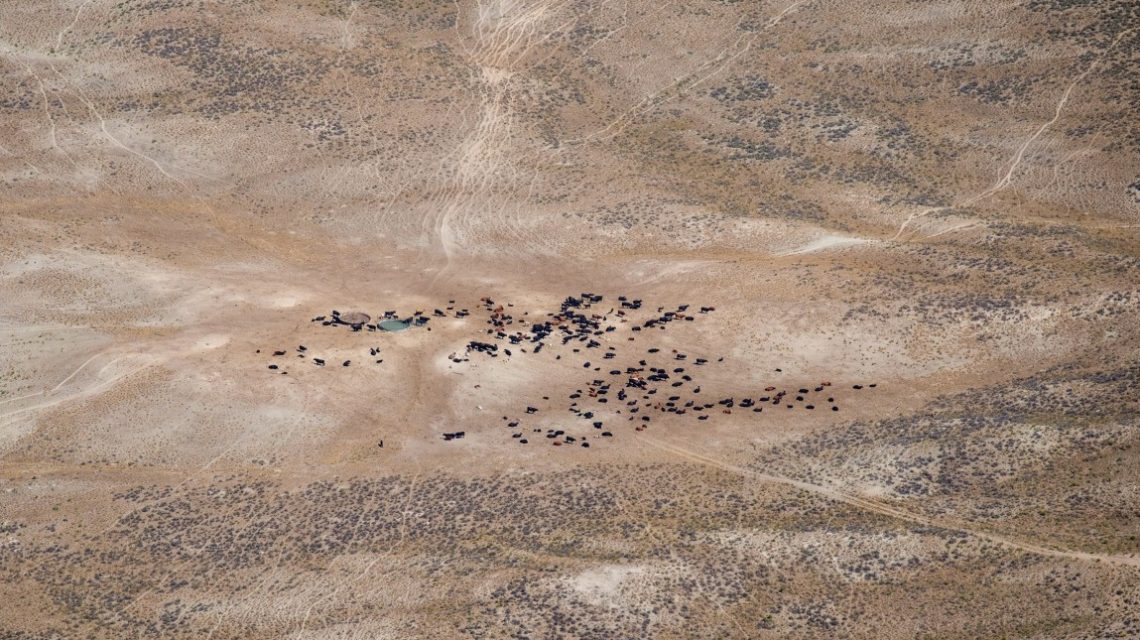
The federal government is revising regulations on ranching activities on public lands in the Western United States. This update affects around 155 million acres, an area that is double the size of New Mexico. Public lands grazing has been guided by decades-old rules. These rules often benefit wealthy individuals with government subsidies, while neglecting environmental concerns.
Despite expert warnings about overgrazing degrading the land, the U.S. Department of the Interior’s Bureau of Land Management (BLM) plans to expand grazing. This is the first major update since 1995. The proposed regulations reduce public input on grazing decisions.
“They’re clearly trying to reduce involvement of anyone other than ranchers,” stated a BLM employee focused on grazing management.
The rules released in May faced a public comment period. They then returned to the agency for further review in mid-July. The BLM claims the changes reflect a focus on decreasing regulatory burdens and enhancing local economies.
The changes offer benefits, such as requiring ecological studies for public land usage, not limited to livestock. This includes activities like timber harvesting and mining. Currently, the reviews focus on overgrazing damage caused by livestock.
Proponents argue the new rules provide flexibility for managing range ecosystems, also making it easier for the BLM to address low-level violations informally. Critics claim the rules permit grazing even when appeals are pending, threatening ecosystems and Native American grazing rights.
Industry Influence and Native Tribes Concerns
Ranching industry groups have influenced the regulatory process both inside and outside the Interior Department. Meetings with high-ranking officials included discussions on a “Grazing Action Plan.” However, conservation and Native American groups report being excluded from these discussions.
Karen Budd-Falen, a former Interior Department official and ranch advocate, played a key role in regulation updates. Her ties to the ranching industry raised concerns about conflicts of interest. After rejoining the department, she received a waiver to work on grazing policies.
Some Native American tribes fear losing permits for bison herds used to restore ecosystems. They argue new regulations could impact their ability to maintain traditional cultural practices.
Impact on Public Involvement
The BLM aims to limit who constitutes “interested public” in grazing matters. Critics say this could raise barriers for those wishing to challenge grazing decisions. Environmentalists worry it means only those with business interests can influence decisions.
The revised regulations aim to simplify renewing grazing permits, making it easier for ranchers to continue operations. They also propose expanding grazing on previously vacant plots, despite environmental recovery needs or water access issues.
Opponents argue that appealing unfavorable grazing decisions would allow ranchers to continue practices found harmful. Law experts argue this change encourages appeals to bypass regulatory decisions.
“The most text in this regulatory proposal is devoted to explaining why the public no longer gets to participate in pretty much every step of the process,” said Nada Culver, former deputy director of the BLM.
The administration prioritizes refilling previously vacated areas to increase grazing activities. Internal discussions suggest every eligible allotment may soon accommodate livestock.
 Byron Donalds Targets Black Voters in Florida Governor Race
  Brazil’s Presidential Race Heads to Runoff
  Sen. Thom Tillis Criticizes Trump’s Administration in New Book
  Controversy Surrounds Steve Hilton’s Campaign Ad Amid Gubernatorial Race
  Trump Calls for Probe into Alleged ‘Paid Protesters’
  Donald Trump Criticizes Fox News for Rally Coverage