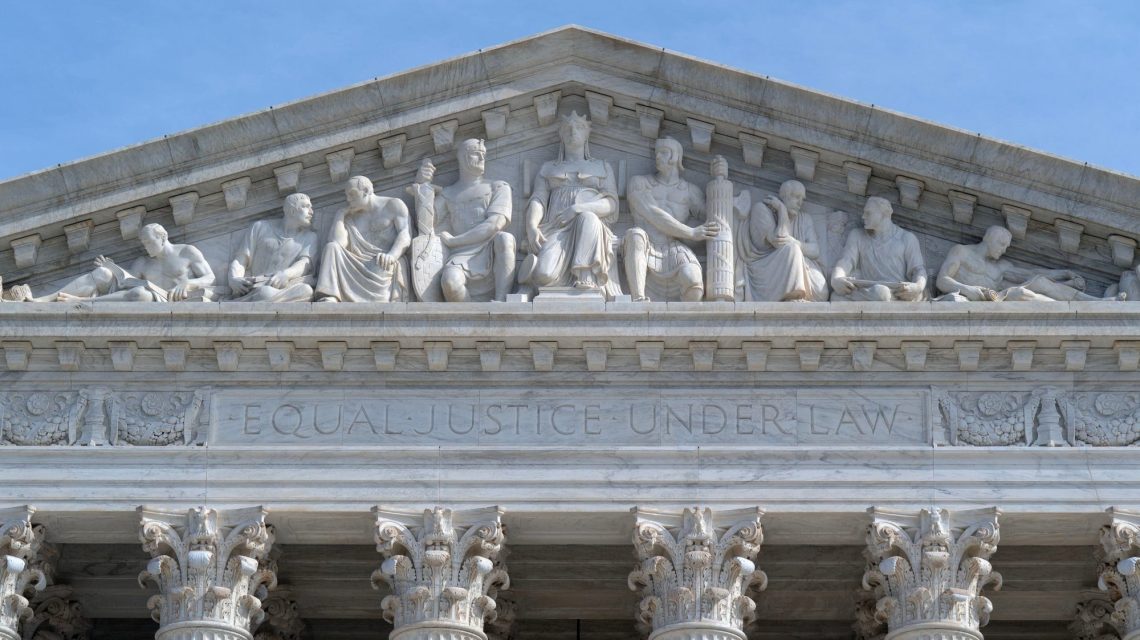
The U.S. Supreme Court concluded its October 2025 term, bringing to light its political nature. The term’s decisions reveal a court influenced by conservative leanings. Despite holding a six-member conservative majority appointed by President Trump, notable rulings emerged. Legal experts provide differing perspectives on the court’s judicial methodology versus political motivations.
Court’s Conservative Leanings
While conservative law professor William Baude acknowledges Trump’s excessive power plays, he highlights the court’s unexpected resistance in pivotal cases like birthright citizenship, tariffs, and voting by mail. Baude points out it’s rare for a court with six members appointed by the president’s party to oppose him significantly.
Differing Judicial Methodologies
Elie Honig, a legal commentator, attributes certain decisions to diverse judicial approaches rather than politics. His analysis of the National Guard and Mifepristone cases suggests temporary opposition to Trump. These decisions contrast Trump’s victories in asylum and Temporary Protected Status, as well as matters involving the Voting Rights Act and campaign finance.
Conservative Majority’s Shift
Liberal law professor Stephen Vladeck critiques the court’s conservative majority, likening their rare shifts to paradoxical actions. Vladeck and others deem the term “bleak,” with 20 rulings splitting the court 5-4 or 6-3, Democratic appointees consistently aligning in 19 of them.
Key Rulings and Implications
“Any person born in the United States is a citizen.”
A significant case, Trump v. Barbara, reaffirmed birthright citizenship on a 5-4 vote. Chief Justice Roberts led a coalition against Trump’s power, notably on tariffs and citizenship definitions. Despite narrow victories, these decisions provide warning against unchecked presidential authority.
Controversial Cases and Power Expansion
Slaughter overturned long-standing Supreme Court precedent, granting Trump more power over independent agencies. This decision, along with influence over media figures, empowers presidential control beyond traditional boundaries. Louisiana v. Callais further undermines the Voting Rights Act, disadvantaging Black voters in the South.
Term Assessment and Future Concerns
Overall, the term favored Republican interests and Trump’s authority, with reversals only where legally unavoidable. The Supreme Court extended Trump’s power, sparking concerns about executive overreach akin to historic tyranny noted by Justice Sonia Sotomayor.
James D. Zirin, a former federal prosecutor and legal analyst, provides a critical overview of the term. The examination underscores the court’s alignment and its influence on presidential power.
 Phil Collins Criticizes Trump, Talks Unwritten Song about America
 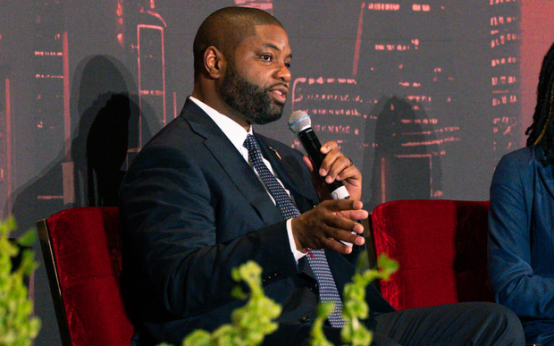 Byron Donalds Targets Black Voters in Florida Governor Race
  FBI Director Kash Patel Announces Engagement to Country Singer Alexis Wilkins
  Brazil’s Presidential Race Heads to Runoff
 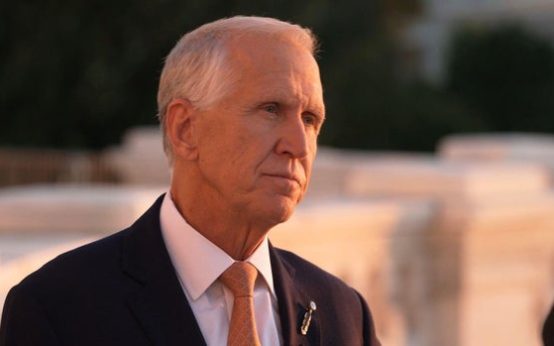 Sen. Thom Tillis Criticizes Trump’s Administration in New Book
  Controversy Surrounds Steve Hilton’s Campaign Ad Amid Gubernatorial Race