
Comcast is undergoing a significant transformation as it spins off NBCUniversal’s media and entertainment assets into a separate, publicly traded company. This decision unwinds a 15-year strategy initiated by Comcast’s longtime leader, Brian Roberts, who aimed to merge cable television distribution with a collection of hit films, TV shows, and theme parks. However, despite the company’s generally effective management of Universal Pictures and its theme parks, Comcast’s stock has struggled.
Based in Philadelphia, Comcast has seen a decline in broadcast customers from its main business. Investors have also grown pessimistic about its traditional cable TV channels as streaming services like Netflix surge in popularity. This shift prompted the decision to spin off the cable channels into the newly named Versant, although this approach won’t suffice to revitalize the brand.
The move occurs amidst a period of consolidation in Hollywood. Paramount Skydance is finalizing its acquisition of Warner Bros. Discovery, while Walt Disney Co. completed its expansion in 2019 with the purchase of Rupert Murdoch’s 21st Century Fox.
Brian Roberts addressed analyst questions about the intention behind the split, emphasizing that “This is the right move to put each company in the strongest position to create value, fully monetize its assets and aggressively pursue its own organic growth strategies.”
Comcast’s co-Chief Executive Mike Cavanagh reassured NBCUniversal and Sky employees of the company’s ambitions to adapt to consumer trends and audience demands while exploring new business opportunities. Despite rumors, Roberts firmly stated that the split was not aimed at selling the companies.
Speculation persists about NBCUniversal becoming a potential acquisition target. However, major Hollywood studios are unlikely buyers due to ongoing mergers. Netflix, once interested in Warner Bros., appears to have no interest in NBCUniversal, mainly because of its broadcast network and theme parks.
Some analysts consider Amazon’s MGM Studios as a potential bidder due to its growing Prime Video platform and need for franchises. However, the prospect of acquiring a broadcast network makes a deal improbable. Tax implications also complicate immediate sales, as the spinoff will take at least a year, followed by a two-year wait to avoid penalties.
Despite challenges, NBCUniversal continues to fortify its position. Comcast’s British TV service Sky, soon to align with NBCUniversal, will acquire ITV Media and Entertainment in a $2.1-billion deal. Known for programs like “Love Island” and “Midsomer Murders,” ITV reaches 40 million weekly viewers. Together with Sky, they aim to capture around 20% of U.K. in-home viewing.
NBCUniversal boasts franchises like “Fast & Furious,” “Despicable Me/Minions,” and “Jurassic Park,” with a promising 2026 lineup including “The Super Mario Galaxy Movie” and Christopher Nolan’s “The Odyssey.” Notably, Focus Features’ “Obsession,” a $750,000 budget horror film from Curry Barker, has grossed over $403 million globally. This success has piqued interest in internet-native stories.
Robert Fishman of MoffettNathanson suggested the idea of pursuing content creator acquisitions “as franchises,” leveraging engagement on platforms like YouTube and TikTok to attract younger demographics.
As Hollywood seeks to connect with Gen Z, NBCUniversal might explore more of these narratives.
 Operation Mincemeat: A Theatrical Review
 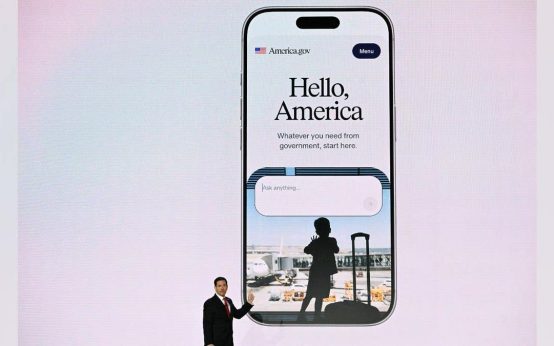 Trump Unveils AI-Powered America.gov Platform
  Hollywood Executive Praises Trump’s Efforts to Revitalize the Entertainment Industry
  Trump’s 2024 Campaign Targets Young Men Through Cryptocurrency
  How Modern Windows Improve Home Insulation
  Zoe Kazan’s Journey with ‘East of Eden’