Jennifer Siebel Newsom, the wife of California’s governor, chose to embrace the title ‘first partner’ instead of ‘first lady’. This marked a break from traditional gender stereotypes. No wife of a U.S. president has formally adopted such a title. However, many first ladies, both at the state and national levels, have shown reluctance in accepting this role. Despite initial discomfort, some have redefined the expectations of a first lady.
When Arnold Schwarzenegger became California governor in 2003, his wife, Maria Shriver, initially resisted the role of first lady. She left her career as a network news correspondent and anchor unwillingly. Despite this, she used her position in Sacramento to accomplish notable initiatives, such as revamping the state history museum and launching a program to support low-income families during the recession. Shriver later referred to it as possibly the best job she had ever had.
Anne Gust Brown, wife of former California Governor Jerry Brown, preferred to stay out of the public eye. With a background in law, she played an integral role behind the scenes in her husband’s political life. Despite her involvement, she expressed discomfort with the first lady title, finding it hard to embody.
In the U.S., first ladies face intense scrutiny. Martha Washington, the nation’s first first lady, was hesitant to occupy the presidential household. She struggled with her role as a hostess and likened it to being a state prisoner. Yet, she approached her duties with a sense of duty, attributing happiness or misery more to disposition than circumstance.
Jacqueline Kennedy famously resisted the ‘first lady’ label. She preferred being addressed as Mrs. Kennedy, as she found the former title too traditional.
Historically, the role has been conventional, but some have stood out. Eleanor Roosevelt, for example, became deeply involved in public service during her husband’s presidency. Despite criticism, she persisted in her efforts to do what she believed was right.
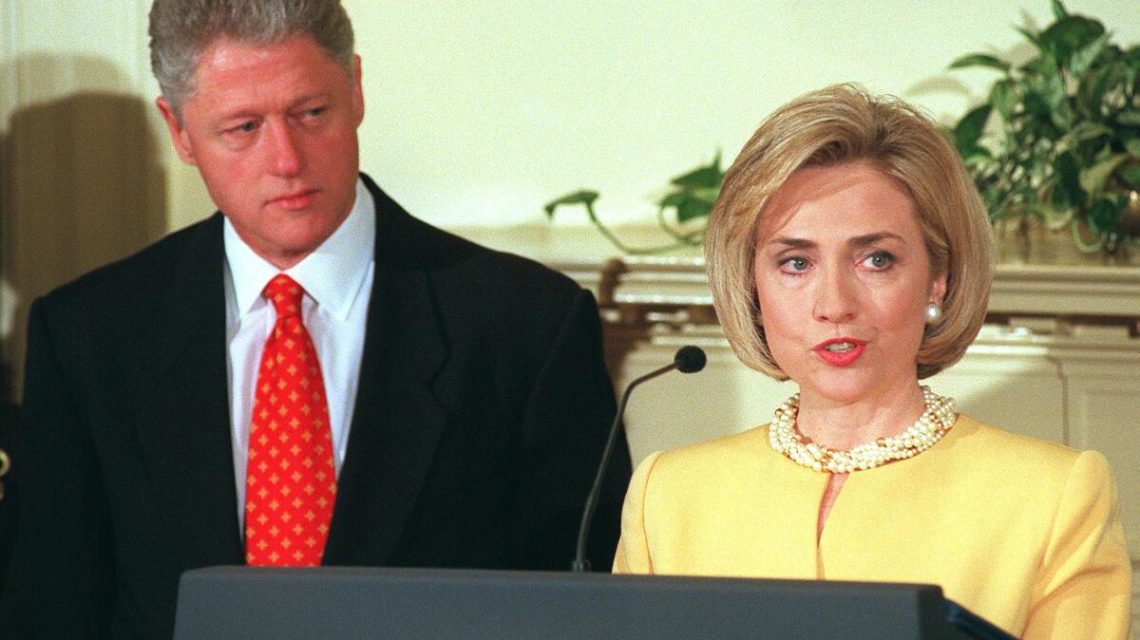
Hillary Clinton, during Bill Clinton’s presidency, took on significant responsibilities, such as developing a universal healthcare plan. Her role generated controversy and marked a departure from previous first ladies’ functions. Meanwhile, Laura Bush took on traditional roles, focusing on literacy, while Michelle Obama emphasized healthy eating and nutrition.
Michelle Obama, often targeted by racism and sexism, opted for less controversial topics. She remained cautious about assuming a heavy policy role.
Jill Biden became the first first lady to maintain an outside career, teaching at Northern Virginia Community College. This move reflected a shift in the typical expectations of first ladies.
As more women and LGBTQ+ individuals assume leadership roles, the expectations for first spouses are changing. Their roles might diverge from traditional supportive roles, as illustrated by Doug Emhoff supporting Vice President Kamala Harris while pursuing his own career.
Siebel Newsom’s choice of ‘first partner’ risks additional scrutiny. The nontraditional nature of this role may attract criticism and be used as an avenue for political attacks. The label could provoke diverse reactions, particularly in regions with different cultural norms.
 Maryland First State to Restrict Electronic Pricing in Grocery Stores
  Activists Push for Nationwide Ban on Child Marriage in the U.S.
 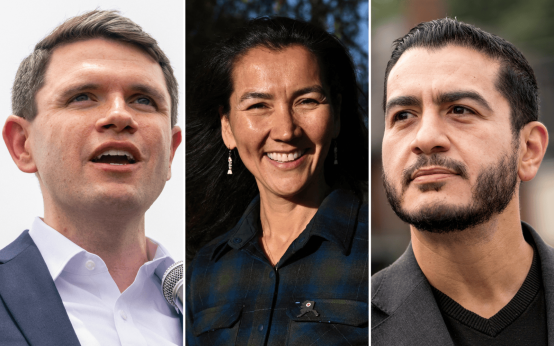 Democratic Hopes and Historical Warnings in 2026 Senate Race
  Republicans Face Challenges Amidst Cost of Living Concerns
  A Different Kind of Fall for Congress This Year
 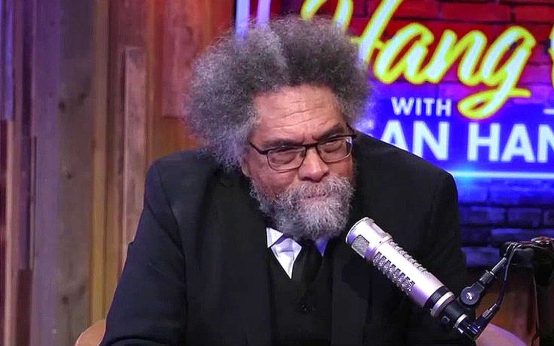 Cornel West and Sean Hannity Discuss Differences on Podcast