Senator Lindsey Graham passed away on July 11, 2026, at the age of 71. A medical examiner’s preliminary finding identified an aortic dissection as the cause. An aortic dissection is a tear in the wall of the aorta, which is the large artery carrying blood from the heart. Although the final death certificate is pending, the condition is known to be silent until rupture.
What Can Go Wrong in the Aorta
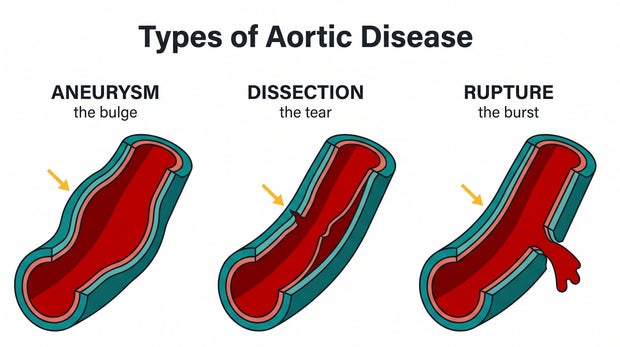
The aorta is the body’s largest artery, and various issues can occur. An aneurysm, a dissection, and a rupture are the primary concerns. These conditions are related but distinct and often confused.
An aneurysm involves a bulge in the aortic wall. A weak spot expands over years and may show no symptoms. Most aneurysms are identified by accident through scans for other issues. The aneurysm wall grows thinner as it expands, increasing the risk of rupture.
A dissection, in contrast, is a sudden tear where blood enters the aortic wall, creating a false channel. It can occur without a prior aneurysm and can be mistaken for a heart attack due to sudden and severe chest or back pain.
A rupture is a complete burst, where the aorta’s wall fails entirely. Blood escapes into the chest or heart sac, quickly leading to fatality.
Factors Leading to Aortic Disease
Aging, high blood pressure, and hardened arteries contribute to aortic disease. A dissection can occur at older ages, as was the case with Senator Graham. An aneurysm in younger individuals is more likely inherited, driven by connective tissue weaknesses.
The only validated screening is a one-time ultrasound for men aged 65 to 75 who have smoked, checking for abdominal aneurysms. Other than this group, most individuals do not need immediate scans.
The Aneurysm Nobody Saw
In December 2022, sports journalist Grant Wahl collapsed while covering a World Cup match. Despite being just 49, he died from an unnoticed aortic aneurysm in the section of the aorta above his heart. The rupture filled the sac around his heart with blood. The autopsy indicated the aneurysm had silently thinned from within.
Importance of an Autopsy
Grant’s widow, an epidemiologist and medical journalist, sought an autopsy to understand the cause of his death. The process provided closure and countered misinformation linking COVID vaccination to his passing. The autopsy, conducted by the New York City medical examiner, was key to understanding the genetic factors involved.
Uncovering Genetic Causes
The lab found a variant in Grant’s FBN1 gene, which is associated with Marfan syndrome. Although Grant did not have Marfan syndrome, the variant contributed to his condition. The uncertainty surrounding genetic variants highlights ongoing research efforts.
Turning Death into Prevention
The genetic finding allowed Grant’s family members to undergo testing for the variant. His relatives, including his brother Eric, participated in follow-up imaging tests. Such actions provide opportunities for early detection and management of potential aortic issues.
Missed Opportunities in Detection
Actor John Ritter faced a similar fate due to undetected aortic dissection. His widow launched initiatives to promote aortic disease awareness. Clinicians and families alike are urged to consider the possibility of aortic tears in unexplained medical cases.
Should You Get Checked?
Screening is advisable if there is a family history of thoracic aortic aneurysm, dissection, or unexplained sudden deaths before age 60. Connective tissue disorder features also warrant investigation. Recommendations include aortic imaging for first-degree relatives in families with aortic disease history.
For those found to have aneurysms, management focuses on blood pressure control and regular monitoring. Surgical intervention becomes necessary if an aneurysm reaches certain sizes.
Awareness and proactive measures can significantly impact those at familial risk of aortic disease. If aortic disease appears in family history, consult your doctor regarding imaging and genetic testing.
Published in Dr. Céline Gounder’s “Underlying Conditions” newsletter.
 Early Detection of Atherosclerosis and Heart Disease Prevention
  Church Attendance Linked to Increased Sexual Satisfaction for Married Couples
  Dining with Loved Ones May Benefit Blood Sugar Levels
  Urgent Need for Action in East Africa’s Food Crisis
  Facing Terminal Illness: Embracing Life’s Moments
  Eating with Partners May Impact Blood Sugar Regulation