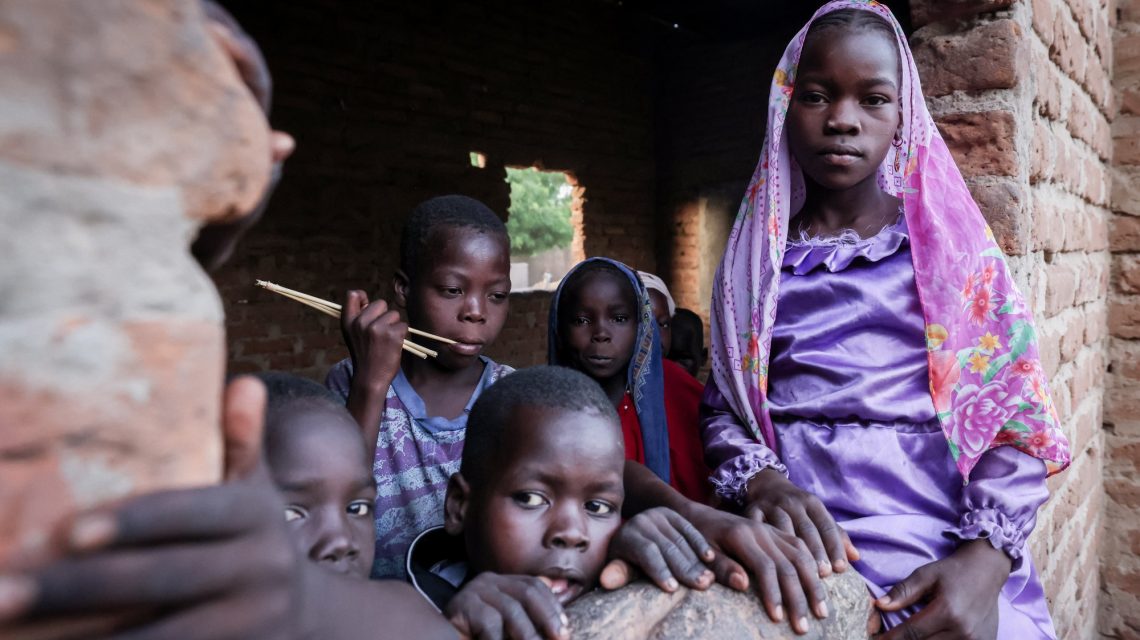
Chad’s population depends heavily on livestock farming and agriculture due to economic hardships and drought. The country has one of the lowest income levels worldwide. Despite harsh conditions, it nurtures a rich culture. Rural areas maintain traditional lifestyles, and community solidarity plays a crucial role in the lives of children, who form a significant part of the population.
A food security crisis is escalating in East Africa, putting children at high risk. In Somalia, severe hunger threatens millions, with nearly 1.9 million children at risk of acute malnutrition. Factors like drought, conflict, displacement, and cuts to aid contribute to this dire situation. This risk extends to Sudan, South Sudan, Yemen, and Central America’s dry corridor, impacted by El Niño.
Children suffer the most when hunger strikes. Malnutrition leads to higher disease risks, developmental issues, and even death. Fatal outcomes can occur in infants and young children within days. Yet, this is avoidable. Affordable, locally sourced food can prevent severe malnutrition. Ready-to-Use Therapeutic Food can save lives, but many children relapse, indicating the need for prevention-focused approaches.
Data is essential to intervene at the right time. The Famine Early Warning Systems Network monitors food insecurity, giving time to act before a crisis. The U.S. government’s decision to resume analysis reports for Somalia, Afghanistan, and Yemen signals progress. Yet, visibility needs strategy and action.
The Global Food Security Act mandates a Global Food Security Strategy every four years. The most recent was in 2022. As hunger expands, a new strategy is crucial. Lifesaving foreign aid requires commitment. Prevention, early action, and child protection should be priorities.
Save the Children has been active in hunger hotspots like Somalia, Yemen, and Sudan, operating clinics and programs for malnourished children. History demonstrates the high cost of delayed responses. During the 2011 Somalia food crisis, 258,000 people died, including 133,000 young children. Many deaths occurred before famine was declared.
The Global Food Security Strategy must highlight worsening hunger, vulnerable groups, and effective interventions. Early warning, financing, and action should function collectively. Strengthening the Famine Early Warning Systems Network with technology and local data is vital. Shifting from crisis response to prevention financing must be a key focus.
Investing in prevention saves both money and lives. Avoiding severe malnutrition has far-reaching benefits over treatment. The current hunger crisis is evident, and we understand prevention and treatment methods. Action is needed now to prevent further loss of children’s health, development, and lives.
 Church Attendance Linked to Increased Sexual Satisfaction for Married Couples
  Dining with Loved Ones May Benefit Blood Sugar Levels
  Facing Terminal Illness: Embracing Life’s Moments
  Eating with Partners May Impact Blood Sugar Regulation
  Foods Linked to Longevity and Healthier Aging
  Rethinking Youth Sports: Balancing Opportunity and Health