
Cuba has experienced its third major blackout in just over a week, struggling with a severe fuel crisis exacerbated by ongoing U.S. pressure. Many residents have seen their food supplies spoil due to non-functioning refrigerators, and people attempt to manage their daily activities using their phone lights.
This marks the fifth blackout in Cuba since early 2026. The situation escalated when the U.S. captured the former Venezuelan President Nicolás Maduro and halted Venezuelan oil shipments, which were crucial for Cuba’s energy needs. Cuba relies heavily on imported fuel to maintain its aging energy infrastructure.
The U.S. has threatened implementing tariffs on oil providers to Cuba, which Havana labels as an oil blockade.
U.S. and Cuba relations have long been strained. Recent months have further intensified the island’s challenges with blackouts and fuel shortages, aggravated by predictions from U.S. officials about the fall of Cuba’s communist regime. Tourism, a critical component of the Cuban economy, has also taken a hit.
A recent oil shipment from Russia in late March depleted quickly. Following a visit to Cuba, four Democratic U.S. Congress members noted that the embargo had left the island likened to a “silent Gaza.” On Tuesday, Cuba’s energy ministry announced efforts to restore electricity after a complete disconnection of the National Electric System (SEN). By afternoon some areas had power restored.
Nationwide blackouts on July 6 and 10 left most of Cuba’s 10 million residents powerless. Energy Minister Vicente de la O Levy attributed grid problems to U.S. policy, citing fuel shortages, a lack of spare parts, and aging power plants as key issues.
The Trump administration firmly opposes the Havana government, in place since 1959. In June, Cuba enacted significant economic reforms aimed at reducing U.S. influence. President Trump warned in March that Cuba’s government was near collapse. U.N. Ambassador Mike Waltz described Cuban officials as a threat to U.S. security.
Cuba lies just 90 miles from Florida, and the Pentagon reports Russian and Chinese intelligence facilities on the island. Trump has suggested possible military action against Cuba once Middle East operations conclude. CIA Director John Ratcliffe met with Cuban officials for high-level discussions in May.
Additionally, the U.S. charged ex-President Raul Castro with murder over a 1996 incident, potentially paving the way for legal justification of military intervention. This continued tension reflects complex geopolitical and historical factors shaping the current crisis.
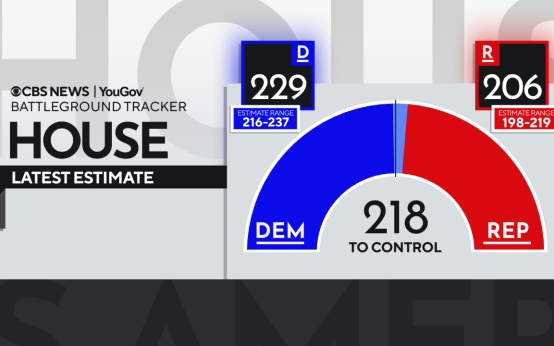 Midterms 2026: Key Insights and Voter Perspectives
  Trump’s Influence on Executive Power and the Response
 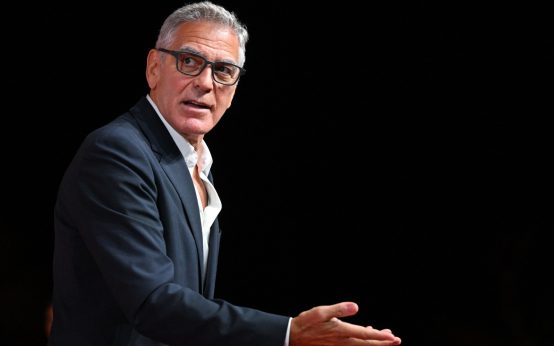 George Clooney Observes Democratic Figures Ahead of 2028 Election
  Sen. Cotton Opposes Permanent Daylight Saving Time
 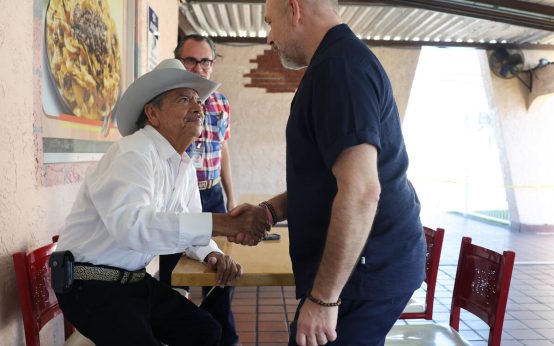 Steve Hilton’s Latino Outreach and Gubernatorial Ambitions
  The Need for Reform in Presidential Nominations