
Democracy thrives best in transparency. Foundations often reflect the priorities of their donors during their lifetimes. Yet, these missions might lose relevance after the donors pass away.
Historically, figures like John D. Rockefeller and Andrew Carnegie used their wealth not only to boost the U.S. economy but also to create enduring foundations. Similarly, modern tech leaders such as Bill Gates and Jensen Huang are establishing substantial foundations.
Typically, these foundations aim for enduring influence. However, Bill Gates made a distinct choice. In 2025, he announced his intention to spend all of his foundation’s resources by 2045. This decision sets him apart as most foundations intend to exist indefinitely.
As the world evolves, foundation missions need to adapt. The values and needs they address can change, necessitating constant reassessment to stay relevant and effective. Without adaptation, these missions risk losing their impact in addressing contemporary challenges.
 Sen. Cotton Opposes Permanent Daylight Saving Time
  Steve Hilton’s Latino Outreach and Gubernatorial Ambitions
  The Need for Reform in Presidential Nominations
 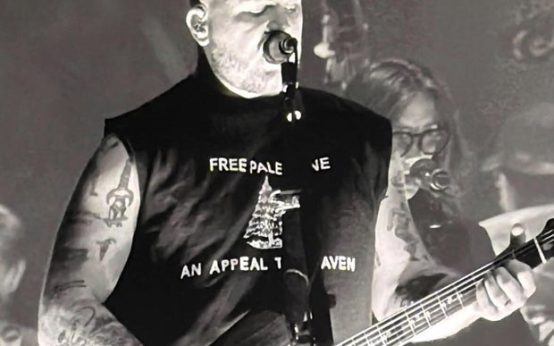 Controversy Surrounds Performances at Gillette Stadium
 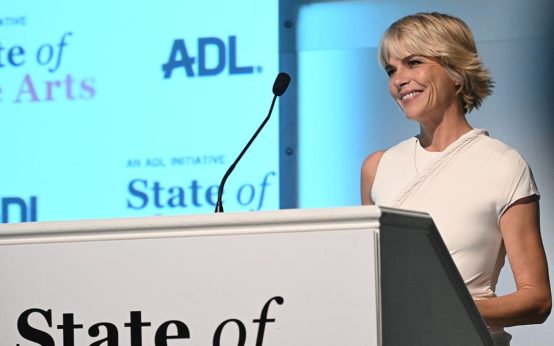 Celebrity Controversies Over Political Activism and Speech
 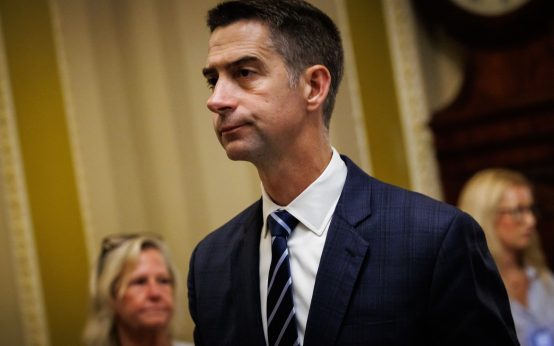 Trump Pushes for Permanent Daylight Saving Time, Sharing Senator’s Contact Information