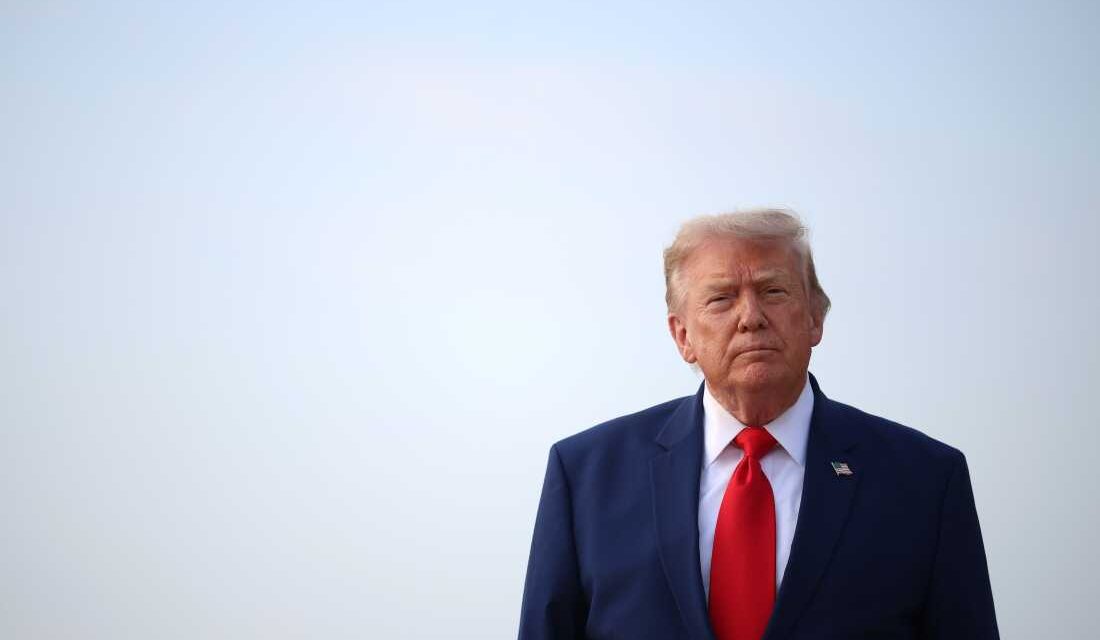
On July 22, 2026, President Donald Trump appeared frustrated after the Supreme Court’s decision against his tariff strategy. Despite this setback, he remained committed to imposing tariffs on imports. At a White House briefing, he announced the use of alternative legal methods for tariffs, following the Court’s ruling that the International Emergency Economic Powers Act (IEEPA) could not be used for this purpose.
The Trump administration quickly adapted its approach. Evidence of this surfaced as new tariffs replaced the expired global tariff. Specifically, new tariffs targeted the largest trading partners, affecting 59 countries and the European Union. The reasoning was to address claims of forced labor in their goods, exempting some imports like energy and food.
A senior administration official explained this change aimed to simplify the complexity for businesses subjected to tariffs, while emphasizing the importance of ending forced labor practices globally.
Critics remain skeptical. Senator Ron Wyden accused the administration of misleading motivations, suggesting the tariffs may inadvertently increase costs for Americans. Despite criticism, Trump continued to pursue tariff-driven strategies, leveraging various laws and processes to position the U.S. strongly in trade negotiations.
Alternative Approaches and Their Impacts
While IEEPA allowed immediate tariff impositions, the administration pursued other legal avenues. This included a comprehensive investigation into forced-labor tariffs, affecting products like aluminum and semiconductors. Trump also enacted new tariffs on Canadian goods under an older, rarely-used 1930 law.
These actions reflect the president’s consistent approach to tariffs, as seen with his on-and-off threats to impose tariffs on other nations. This strategy extended to renegotiations under agreements like the USMCA. The complex array of tariffs, governed by various statutes, created challenges for importers navigating these changes.
Kathleen Claussen, a trade law expert, highlighted the complexities businesses face in this evolving regulatory landscape. The patchwork of tariff laws complicates understanding and compliance, affecting businesses importing goods into the U.S.
Future Prospects and Economic Implications
Despite lagging public approval for his economic policies, Trump remains steadfast in advocating for tariffs. He asserts long-term manufacturing benefits and economic improvements, suggesting tariffs may eventually boost domestic production.
The administration believes that these trade policies address longstanding economic issues. Trade Ambassador Jamieson Greer reiterated the need for strategic patience in addressing generational challenges within the U.S. economy.
Nonetheless, manufacturing employment still trails behind pre-Trump levels, presenting a gamble as voters evaluate tariff policies against future economic potential. The administration’s resolve in engaging in these trade battles underscores Trump’s belief in tariffs as tools for securing favorable trade deals for the U.S.
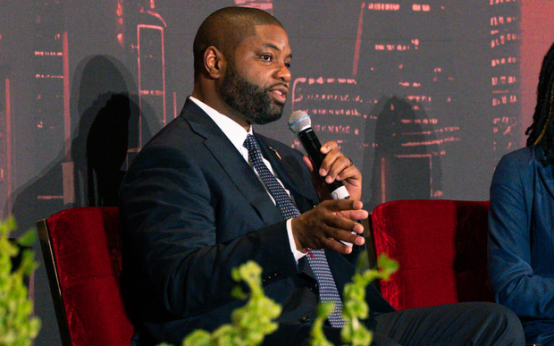 Byron Donalds Targets Black Voters in Florida Governor Race
  Brazil’s Presidential Race Heads to Runoff
 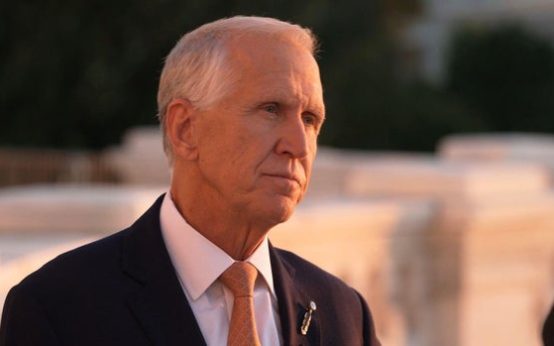 Sen. Thom Tillis Criticizes Trump’s Administration in New Book
 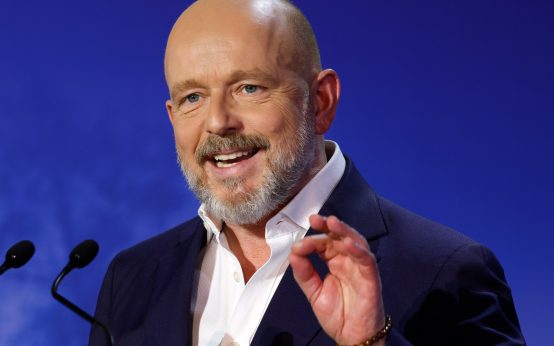 Controversy Surrounds Steve Hilton’s Campaign Ad Amid Gubernatorial Race
  Trump Calls for Probe into Alleged ‘Paid Protesters’
  Donald Trump Criticizes Fox News for Rally Coverage