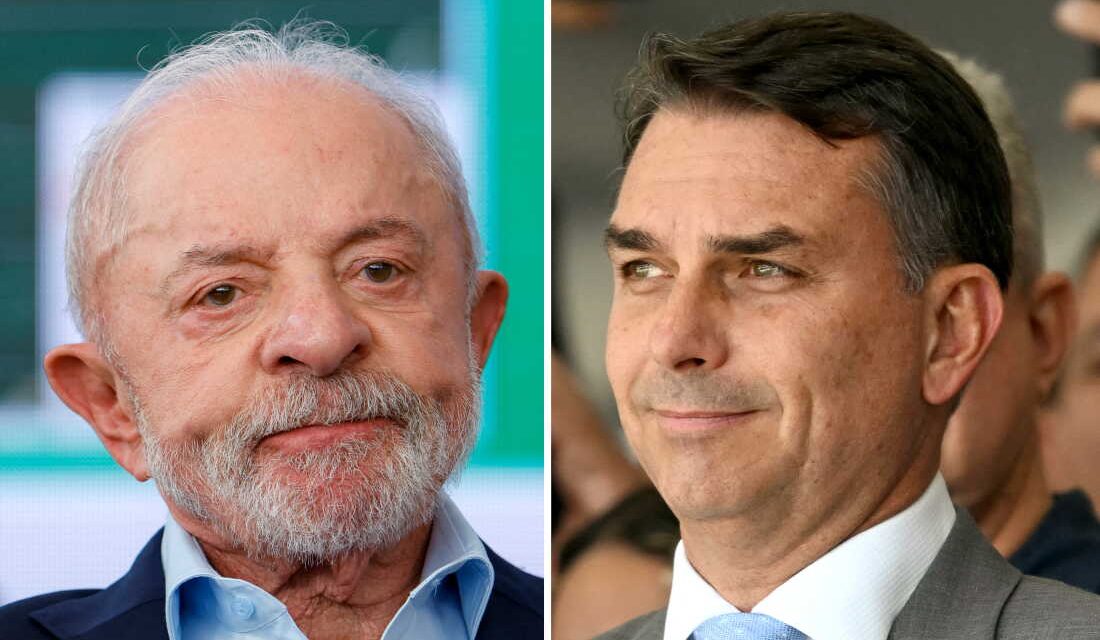
The presidential contest in Brazil is advancing to a decisive runoff after neither left-wing President Luiz Inácio Lula da Silva nor right-wing Senator Flávio Bolsonaro earned the over 50% of valid votes required for an outright win. With the first round concluded, Bolsonaro led with more than 47% of the vote, narrowly edging out Lula, who secured 44%.
This election has echoes of 2022, where Lula narrowly triumphed over Jair Bolsonaro. Jair, now imprisoned under house arrest for 27 years due to charges of attempting to subvert the previous election’s outcomes, has his son Flávio pledging to uphold his legacy. The initial results hint at a wider rightward drift in Brazil’s political landscape as the Bolsonaro camp performed well nationally.
Lula’s supporters, who gathered in Rio de Janeiro’s plazas, hailed the results with both cheers and caution regarding the approaching runoff. The third, fourth, and fifth place presidential candidates lean right-wing, possibly offering Bolsonaro a ready reservoir of support for the October 25 runoff, foreshadowing another tight race.
Sunday’s election also included choices for governors, state, and federal lawmakers, with early counts revealing significant gains for the right in Congress, especially the Senate. Success for Bolsonaro could provide him with a powerful political foundation if he assumes the presidency.
Lula, now 80, is pursuing a fourth nonconsecutive term, committing to broaden social spending and confront aggressive U.S. policies in Latin America under Trump. Bolsonaro, aged 45, promises deficit reduction and closer U.S. ties.
Lula’s challenge is to not only defend his governance but to reconstruct the coalition that returned him to power in 2022, aiming to win over younger, less enthusiastic voters. The current presidential campaign has featured fewer rallies, attributed perhaps to the candidates’ familiarity. “People are tired of fighting,” noted Raysa Tavares, a nutritionist from Rio de Janeiro’s Vidigal favela.
Businessman Caio Farias, voting in Rio’s Leblon area, expressed his preference for other right-wing contenders but chose Bolsonaro to try to conclude the election swiftly.
As Brazilians prepare for three more campaign weeks, they recall the spike in political violence during the 2022 runoff. This year, Trump’s presence in the White House introduces a unique angle, with Lula accusing the U.S. of meddling—claims the State Department denies.
Bolsonaro’s rallies mix American symbolism, depicting Trump and Lula, while Lula argues for Brazilian sovereignty against foreign interference — a key issue in the previous election. Streets in Rio on election day displayed varied sentiments, with Trump T-shirts and “out with Trump” stickers co-existing.
Brazil’s relationship with the U.S. is likely to feature prominently in the final campaign phase, alongside domestic issues such as security, corruption, and the economy. However, the defining question for voters is whether to persist with Lula or to embrace the emerging rightward wave following the first-round results.
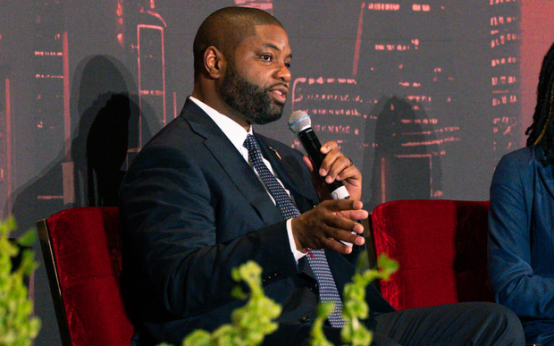 Byron Donalds Targets Black Voters in Florida Governor Race
 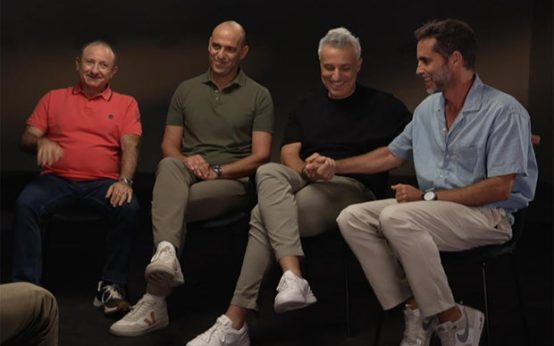 Heroic Passengers Prevent Catastrophe on Flight 1073
 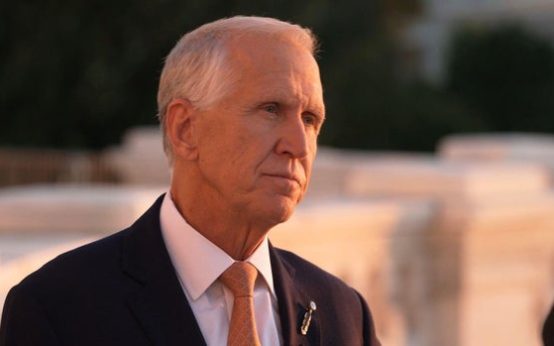 Sen. Thom Tillis Criticizes Trump’s Administration in New Book
 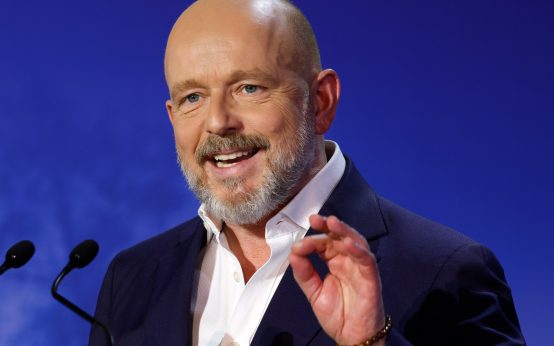 Controversy Surrounds Steve Hilton’s Campaign Ad Amid Gubernatorial Race
 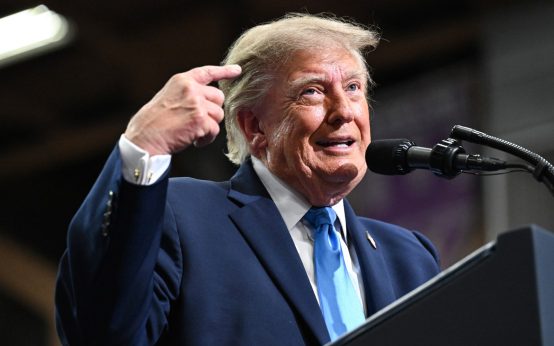 Trump Calls for Probe into Alleged ‘Paid Protesters’
 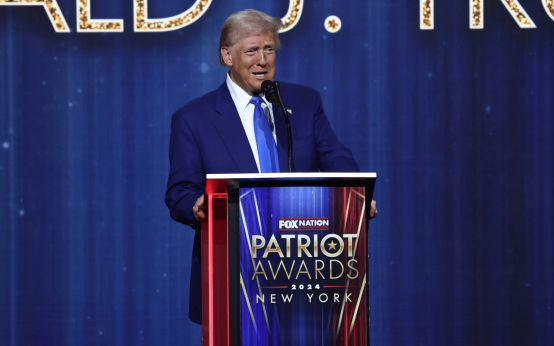 Donald Trump Criticizes Fox News for Rally Coverage