The conflict in the Middle East intensified with recent drone attacks targeting a city in northern Iraq where U.S. forces are stationed. This comes after the U.S. military conducted its 13th night of strikes against Iran. The ongoing conflict has seen the U.S. attacking Iran while Tehran assaults ships in the Strait of Hormuz and targets U.S. assets and allies in the region.
The Strait of Hormuz is a critical passage for the world’s energy supplies. Iranian attacks on this route can severely impact global fuel prices and lead to widespread economic disruption. In a related move, Houthi rebels targeted two Saudi tankers in the Red Sea, adding pressure by threatening to cut off additional oil routes.
Casualties and Economic Impact
The war has resulted in significant casualties and economic damage. Iran’s Health Ministry reported 55 deaths and over 600 injuries from recent strikes. The U.S. and Israel struck Iran with goals of toppling Tehran’s government and dismantling its nuclear program. However, the conflict has devolved into a fight for control of the Strait of Hormuz. Iran aims to win concessions by targeting the global economy, while the U.S. endeavors to minimize such damage.
Drone Interceptions and Explosive Attacks
Security officials in northern Iraq reported that U.S.-led forces intercepted and downed five explosive-laden drones over Irbil, which fortunately resulted in no casualties or damage. The city’s airport continued operations as normal. This incident is part of a broader pattern, with the U.S. intercepting Iranian aerial attacks in Bahrain, home to the U.S. Navy’s 5th fleet.
Meanwhile, U.S. strikes targeted a naval base in Iran’s north, along with key military sites in Qeshm Island and Isfahan province, aimed at degrading Iran’s capability to pose threats to maritime traffic. The ongoing strikes are part of U.S. efforts to control the Strait of Hormuz, a vital corridor for global oil and gas transit.
Strategic Maneuvers and Global Reactions
Iran has used its strategic position to potentially close the Strait of Hormuz, which would create economic chaos. The Houthis’ attacks on Saudi oil tankers in the Red Sea amplify these tensions. Brent crude prices briefly surpassed $100 per barrel following these developments.
President Donald Trump issued a stern warning to the Houthis, threatening military action if ship attacks continue. Trump announced that Iranian funds in U.S. possession might cover damages incurred during the conflict. Iran’s Foreign Minister criticized this notion, emphasizing the risks of normalizing asset confiscation. Meanwhile, the International Maritime Organization reported that at least 6,000 mariners are stranded in the region, heavily affected by the conflict.
Iran asserts its right to control and charge fees for traffic through the Strait of Hormuz, historically toll-free before the conflict. These strategic actions and responses illustrate the complex dynamics and escalating tensions in the region.
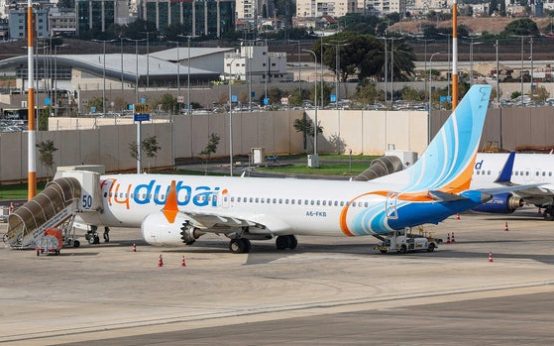 Incident on FlyDubai Flight Raises Security Concerns
  Journalist Gershkovich Discusses Wrongful Detention and Release in Russian Prisoner Swap
 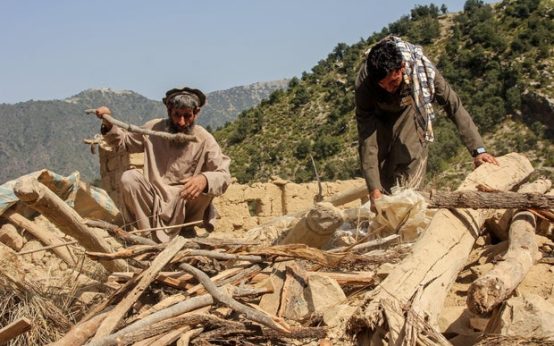 Pakistan Airstrikes in Afghanistan: Civilian Casualties Reported
 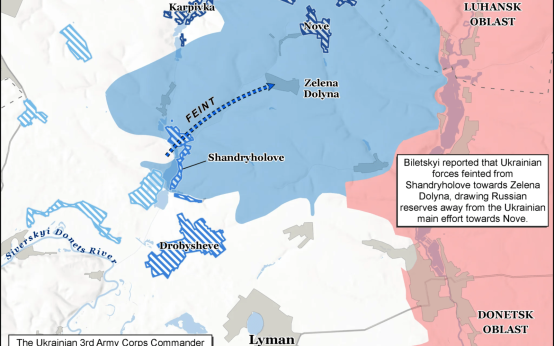 Ukraine Converts APCs to Explosive Devices in Donetsk Offensive
  Dutch Review Board’s Euthanasia Ruling and International Debate
  Israeli PM Commends Heroic Actions in Flight Emergency