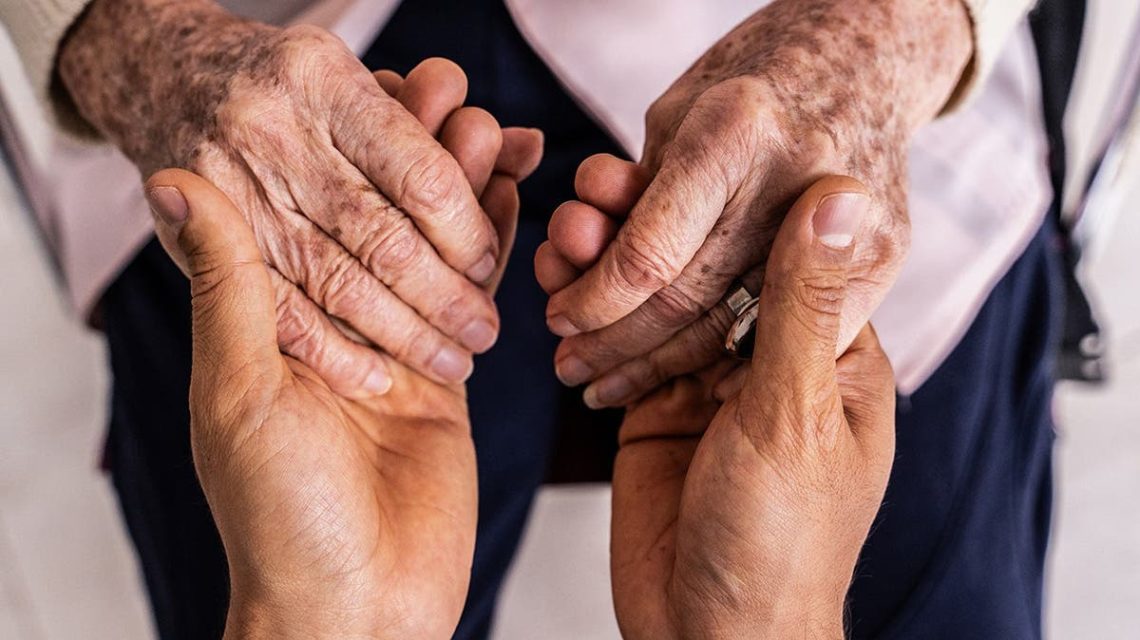
Recent research shows that people globally are living longer but facing more years of ill health. This widening ‘morbidity gap’ affects 203 of 204 countries studied, with a significant impact in the United States.
The study by researchers at the Institute for Health Metrics and Evaluation at the University of Washington found that, on average, 14.5% of life in 2023 was spent in poor health, up from 13.6% in 1990. In the U.S., this equates to about 14 years or 17.8% of the expected lifespan.
Between 1990 and 2023, global life expectancy rose from 64.6 to 73.8 years, while healthy life expectancy only increased from 55.9 to 63.1 years. As survival improvements outstrip healthy life gains, people live longer with chronic diseases and disabilities.
The gap grew the most in wealthier nations where life-extending resources are readily available. Women tend to outlive men but also endure more years of poor health.
Dr. Antony Chu, a clinical assistant professor at Brown University’s Warren Alpert School of Medicine, notes that modern medicine excels at delaying death but not functional decline. While mortality rates for diseases like cardiovascular issues and cancer have dropped, many people live longer with conditions such as chronic pain and sensory loss.
Researchers analyzed Global Burden of Disease data across 204 regions from 1990 to 2023. They found that a few non-fatal chronic issues mainly caused the morbidity gap.
Musculoskeletal disorders—primarily low back pain—mental health issues like depression, and hearing loss were leading contributors. Non-communicable diseases accounted for 57% of poor health years globally, with high fasting plasma glucose, obesity, and aging populations also playing roles.
Dr. Christopher Murray, director of the Institute for Health Metrics and Evaluation, suggests that future health improvements require not only longer lives but healthier ones. This involves focusing on prevention and chronic care to lessen time spent in poor health.
Dr. Chu believes the focus should shift from merely extending lifespan to enhancing the quality of life. Routine assessments of physical function and early interventions are crucial for healthy aging.
Musculoskeletal health is vital. Progressive resistance training, fall prevention, maintaining muscle mass, and early back pain treatments should become preventive medicine staples, potentially matching the impact of heart disease prevention.
Mental health and social connections also crucially affect healthspan. Addressing hearing loss, depression, anxiety, and loneliness early can improve both lifespan and independence.
Chu points out that in many cultures outside the U.S., the elderly maintain active roles in families. They serve as mentors and caregivers, providing defense against loneliness and loss of identity.
In contrast, many older Americans face social isolation when relationships matter most. Healthy aging involves biology, community, purpose, and connection.
 Increased Funding Needed for Psychiatric Hospitals
  Trump Administration Distributes ACA Refund Checks
  Higher Consumption of Ultra-Processed Foods Linked to Increased Health Risks
  Understanding Inflammation: Myths and Facts
  Calm Parenting: Strategies to Manage Stress
  Trump’s Executive Order to Combat Mosquitoes and Ticks in D.C.