
Iraqi Prime Minister Mohammed Shia al-Sudani announced the initiation of a dialogue aimed at discussing the reduction of the U.S. military presence in Iraq. This follows an American airstrike that killed an Iraqi militia leader in Baghdad.
Al-Sudani emphasized that the presence of American troops in Iraq is governed by an agreement respecting the equal sovereignty of both nations. However, he argued that the recent U.S. strike violated this sovereignty. In his statement, the Prime Minister asserted that any violation of Iraqi law should be addressed solely by the Iraqi government.
“The government is committed to maintaining national sovereignty over Iraq’s land, sky, and waters and will actively pursue this goal,” al-Sudani stated.
The U.S. airstrike resulted in the death of Mushtaq Taleb al-Saidi, a leader affiliated with the Iranian-backed militia group Harakat Hezbollah al-Nujaba. This group is part of the Popular Mobilization Forces, which include various Iranian proxy groups in Iraq. These groups have a history of targeting U.S. military personnel in the region.
Pentagon press secretary Maj. Gen. Pat Ryder justified the airstrike as a necessary protective measure for U.S. forces. He reiterated that U.S. troops are stationed in Iraq to combat the terrorist organization ISIS and emphasized the importance of maintaining strong relations with Iraq.
The dialogue proposed by al-Sudani reflects escalating tensions between Iraq and the U.S., coinciding with regional instability fueled by conflicts such as the Israel-Hamas war.
The situation continues to evolve as both nations prepare for further diplomatic engagements concerning military operations and the presence of foreign troops in Iraq.
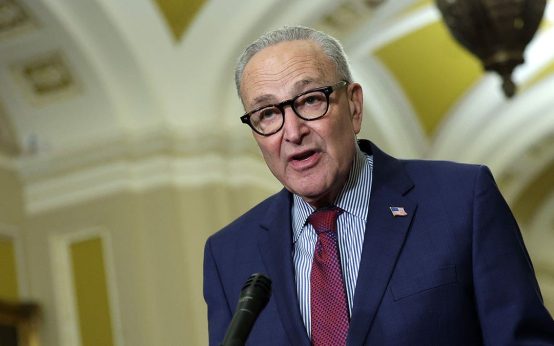 Senate GOP Tests Votes on Data Center Costs and Voter ID Laws
 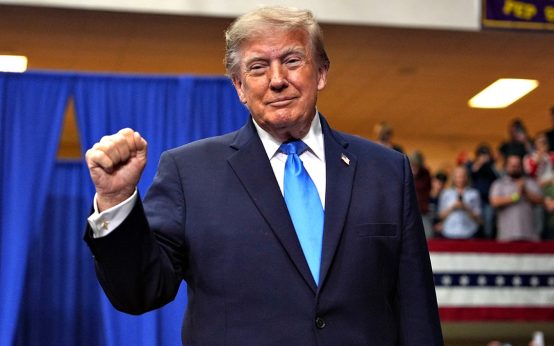 President Trump Unveils New Super Intelligence Force
  Supreme Court’s New Term Tackles Climate Liability and Key Legal Battles
 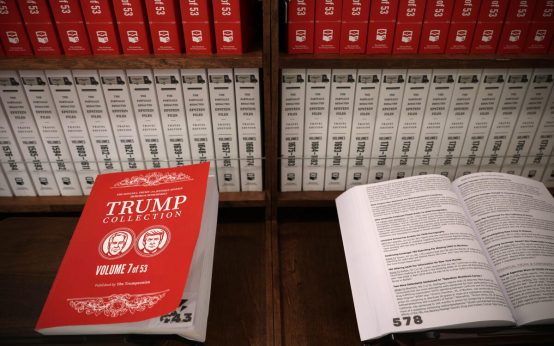 Midterm Elections: A Potential Turning Point
  Andy Burnham’s Approach to Address UK’s Economic Stagnation
 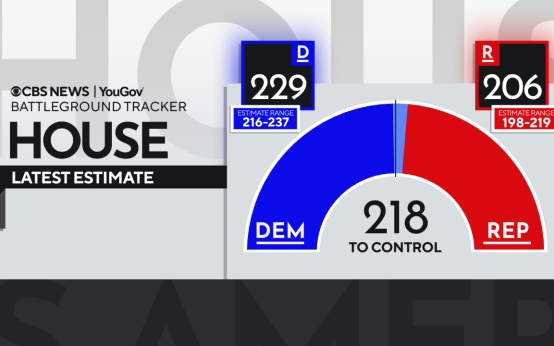 Midterms 2026: Key Insights and Voter Perspectives