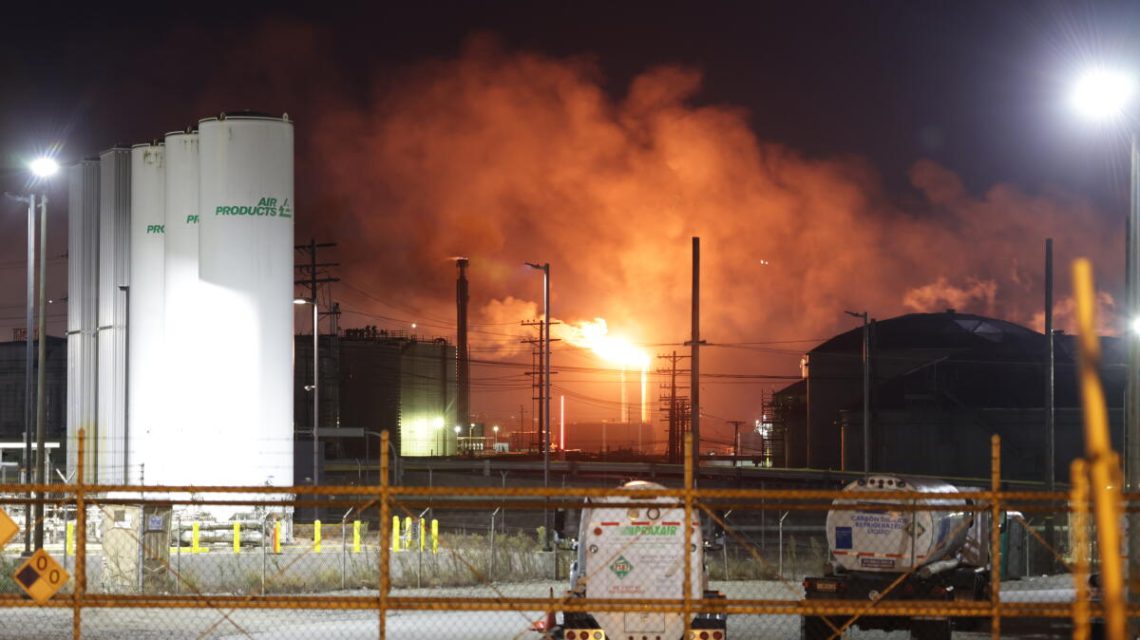
The Supreme Court begins its new term by hearing a pivotal case concerning whether the oil and gas industry could be held accountable for damages linked to climate change impacts such as heat waves, wildfires, and droughts. This issue has been pending for nearly a decade. In 2023, California joined over twenty blue states and municipalities in suing five major oil companies, accusing them of long-standing deception about climate risks.
California Attorney General Rob Bonta emphasized that these companies have known the truth for decades but misled the public for profit, harming the environment in the process.
Lawsuits against the oil industry are modeled after those against the tobacco and opioid sectors, which were faulted for hiding the dangers of their lucrative products. However, these suits have encountered hurdles. Courts are divided on whether such significant claims should be tackled in federal or state jurisdictions and under which laws.
In Colorado, Boulder County secured a state Supreme Court ruling allowing its 2018 lawsuit to proceed. It claims public nuisance, unjust enrichment, and civil conspiracy under “common law,” longstanding legal principles not needing legislative approval. The judges ruled that federal anti-pollution statutes do not block these claims since they don’t regulate emissions directly.
Dissenters argue that allowing Boulder to enforce such a ruling is akin to acting independently to penalize Exxon Mobil for global climate concerns. Oil companies have appealed to the Supreme Court, insisting that Boulder lacks the authority to dictate national energy policies.
The Trump administration supported the industry’s appeal, suggesting that states acting individually could disintegrate federal cohesion. The current case involves Suncor Energy and Exxon Mobil versus Boulder County. Legal analysts suggest that the industry’s defense relying on federal preemption is tenuous. UCLA law professor Alejandro Camacho describes these preemption arguments as a robust attempt to twist federal law to evade accountability.
Conversely, some legal experts dispute that public nuisance laws can apply to the sale of legal products affecting global carbon emissions. The Supreme Court’s outcome is uncertain, particularly with Justice Samuel Alito recusing himself, leaving a potential 4-4 tie that would uphold Boulder’s preliminary victory without setting a broader precedent.
Beyond climate issues, the court’s docket includes important cases on immigration and gun rights. Two cases consider Trump-era deportation policies, addressing bond hearings for undocumented immigrants and controversial third-country removals.
The court will hear arguments in December about states’ rights to ban semi-automatic rifles like the AR-15, a significant gun rights case prompted by mass shootings. California and several other states have enacted such prohibitions, countered by advocates who argue these rifles are a popular choice protected under the 2nd Amendment.
 President Trump Unveils New Super Intelligence Force
  Tick Crisis on Martha’s Vineyard: A Growing Health Threat
  Midterm Elections: A Potential Turning Point
  Colorado’s Emissions Regulation and Its Broader Implications
  Andy Burnham’s Approach to Address UK’s Economic Stagnation
 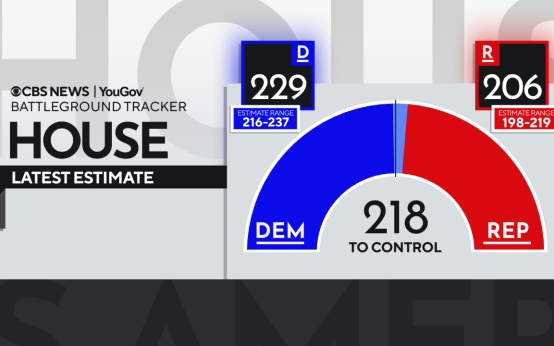 Midterms 2026: Key Insights and Voter Perspectives