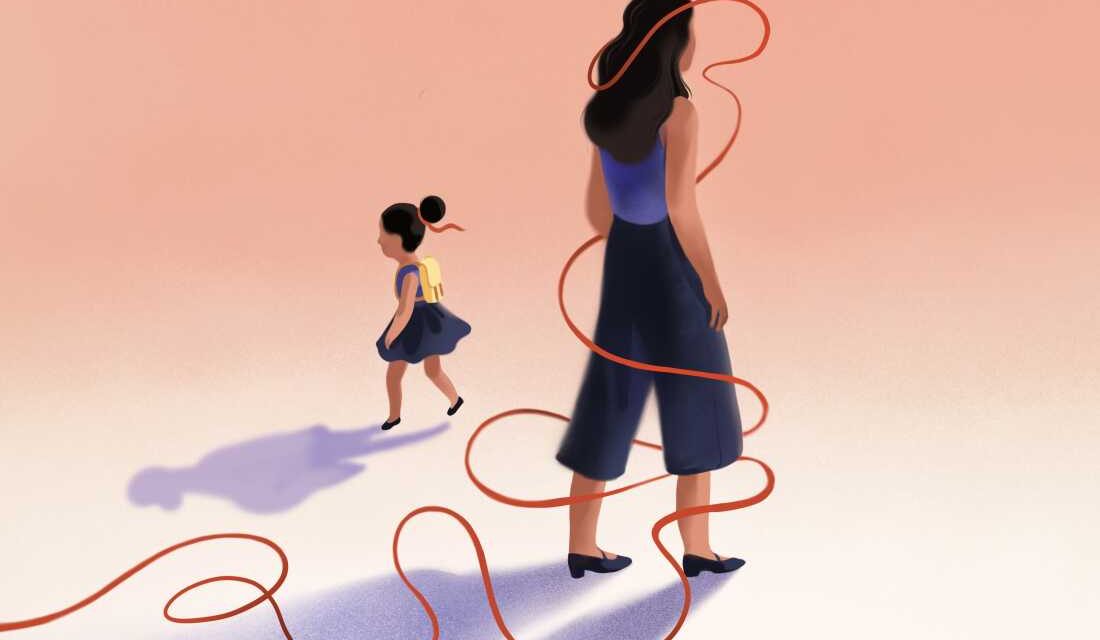
In the 1980s, Kate Jarvis excelled as a student. Her academic success, creativity, and organization were evident from her nightly habit of preparing her toothbrush with toothpaste for the next day. Her mother referred to her as ‘bright-eyed and bushy-tailed.’ However, with the onset of puberty, things changed. Jarvis struggled to stay focused in school, and her grades began to drop. She described this period as devastating to her self-esteem.
During high school, she was diagnosed with anxiety and depression. Comments from teachers, such as “Kate has so much potential, if only she’d apply herself,” added to her stress. These remarks masked her real issue, which was undiagnosed ADHD. It wasn’t until her late 30s that Jarvis received her diagnosis. She described this revelation as life-changing, finally understanding what she had been dealing with for 25 years. However, knowing the problem is not a quick fix, and Jarvis felt the pressure to solve her issues.
“Just because you know what something is, doesn’t mean you can immediately fix it,” Jarvis explains.
ADHD: A Different Story for Girls
Julia Schechter, a clinical psychologist, notes that Jarvis’s experience is common. Historically, ADHD was viewed as a condition affecting boys, leading to a focus on their symptoms in research. In girls, the condition often manifests differently. Distraction, disorganization, and a dreamy demeanor are common symptoms that are easily overlooked.
This pattern contributes to a delayed diagnosis for girls, often extending into adulthood. Julia Schechter emphasizes that women with ADHD may spend years seeking help for anxiety or depression, missing the root cause.
These untreated symptoms can have severe consequences, including social difficulties, low self-esteem, and even higher risks of abuse and health issues like obesity and diabetes.
Health Impacts of Missed Treatment
Missed ADHD treatment has significant health implications. Dr. Patricia Quinn highlights that women with ADHD face more challenges in relationships and are at greater risk of teen pregnancy and feeling worthless. There are also increased risks of type 2 diabetes and cardiovascular disease.
A UK study revealed that women with ADHD die nearly nine years earlier than those without, underscoring the condition’s severity.
The Rise in Adult Diagnoses
Awareness of gender differences in ADHD has led to more diagnoses among adult women. Federal data from 2023 indicates nearly 7 million women in the U.S. have ADHD. While boys are diagnosed at higher rates, adult diagnoses level the disparity.
Reaching a Breaking Point
Women may mask ADHD symptoms for years. Ellen Littman, a clinical psychologist, notes that life complexities can overwhelm these coping mechanisms. Amy Reyer’s experience illustrates this. At age 48, she managed family responsibilities and a demanding job but struggled with focus and anxiety.
The realization of her ADHD came when her son was diagnosed, and her own diagnosis brought clarity and treatment.
Impacts of Perimenopause
Perimenopause can worsen ADHD symptoms. Estrogen fluctuations may intensify these symptoms. Research points to women with ADHD experiencing more severe symptoms and earlier perimenopause.
Neuropsychologist Jeanette Wasserstein conducted a survey showing that most women received an ADHD diagnosis during menopause due to brain fog and executive function issues.
Pathways to Treatment
ADHD treatment involves more than medication. Dr. Patricia Quinn advocates hormone replacement for those in perimenopause and stresses the importance of therapy to address longstanding shame and demoralization.
Ellen Littman emphasizes reframing self-understanding from feelings of inadequacy to using neurological insights for empowerment.
Embracing Change
Ruth Danoff’s diagnosis at 50 led to a new career and understanding of her experiences. She became an advocate for women with ADHD, helping others navigate their journeys.
Kate Jarvis believes seeking an ADHD diagnosis is worthwhile at any age. For her, medication and therapy brought self-acceptance and joy.
“There is so much joy waiting on the other side,” Jarvis expresses.
 Early Detection of Atherosclerosis and Heart Disease Prevention
  Church Attendance Linked to Increased Sexual Satisfaction for Married Couples
  Dining with Loved Ones May Benefit Blood Sugar Levels
  Urgent Need for Action in East Africa’s Food Crisis
  Facing Terminal Illness: Embracing Life’s Moments
  Eating with Partners May Impact Blood Sugar Regulation